Changing the Game With Colin Kaepernick & Lucas Pinheiro Braathen
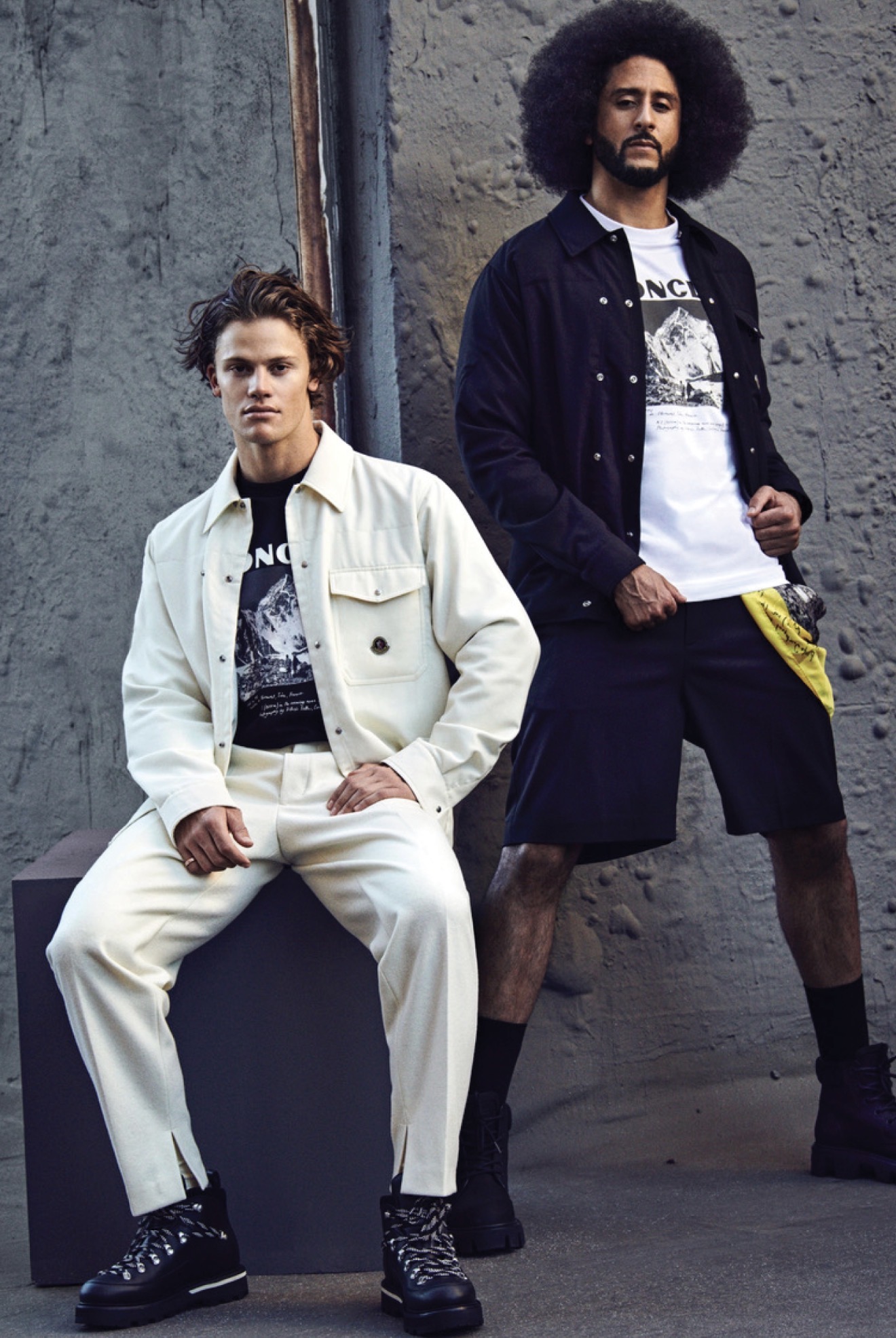
Two sporting trailblazers reflect on the power of their platforms to inspire change and create opportunities for the next generation.
“If you have an opportunity to accomplish something that will make things better for someone coming behind you, and you don’t do that, you are wasting your time on this earth.” The legendary Pittsburgh Pirates right fielder Roberto Clemente uttered these words in 1971. Widely considered one of the best baseball players ever, Clemente understood that the gift of a platform, especially one like sports, comes with great responsibility. It’s part of what made him an icon—in addition to his incredible skill, he was also known for his humanitarian work, seeking to improve conditions for those in need where he could. The same is true for modern sports icons Colin Kaepernick and Lucas Pinheiro Braathen, who have harnessed the power of the platform they created for themselves as superior athletes to make the world a better place.
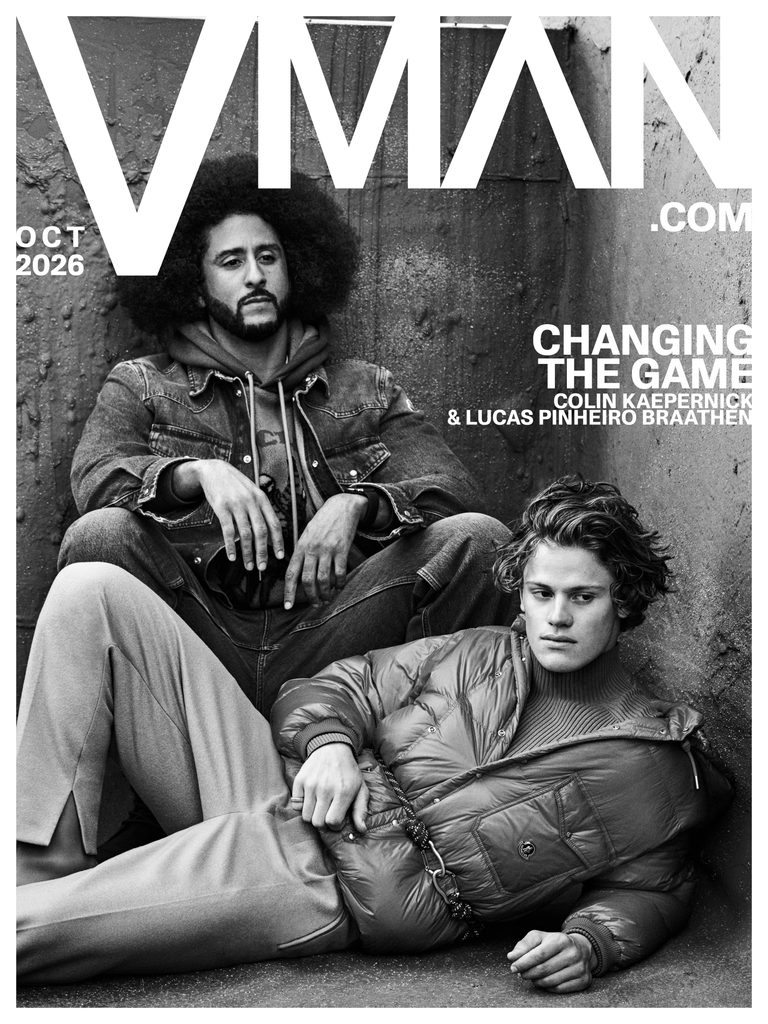
Colin and Lucas have established themselves as icons not just for their abilities, but for their dedication to others. As Moncler launches its Re/Icons 2026 Collection: reimagining house heritage styles, they cloaked Kaepernick and Pinheiro Braathen in their own commitment to a pioneering spirit and unmatched quality for “a dialogue between past legacy and the pursuit of new heights.” It’s a phenomenon to which Kaepernick and Pinheiro Braathen can certainly relate.
Kaepernick’s legacy as an activist began 10 years ago while he was a quarterback for the San Francisco 49ers. By then, he had, in a short time, crafted a reputation for himself on the field as an undeniable force; all eyes were on him, and he was at a career peak. However, as he witnessed the turmoil of police brutality and racism endured by people of color across the U.S., he refused to stay silent and took a knee during the National Anthem. Many other players across the National Football League followed suit, but in the following year, despite his accolades as an athlete, Kaepernick found himself unable to get signed by another team after opting out of his contract with the 49ers. Kaepernick already had his eye on activism, beginning with his now-wife Nessa and the Know Your Rights Camp for youths of color that same year. With the mission “to advance the liberation and well-being of Black and Brown communities through education, self-empowerment, mass-mobilization and the creation of new systems that elevate the next generation of change leaders,” KYRC has since empowered young people across the country. With its Autopsy Initiative, KYRC has helped families obtain secondary autopsies for loved ones lost “due to an in-custody death or under other suspicious circumstances,” as well. Kaepernick’s work has also helped generate grants and funding toward community activist organizations, legal defense, and more. His memoir chronicling his life in athletics and activism, The Perilous Fight, arrived September 15.
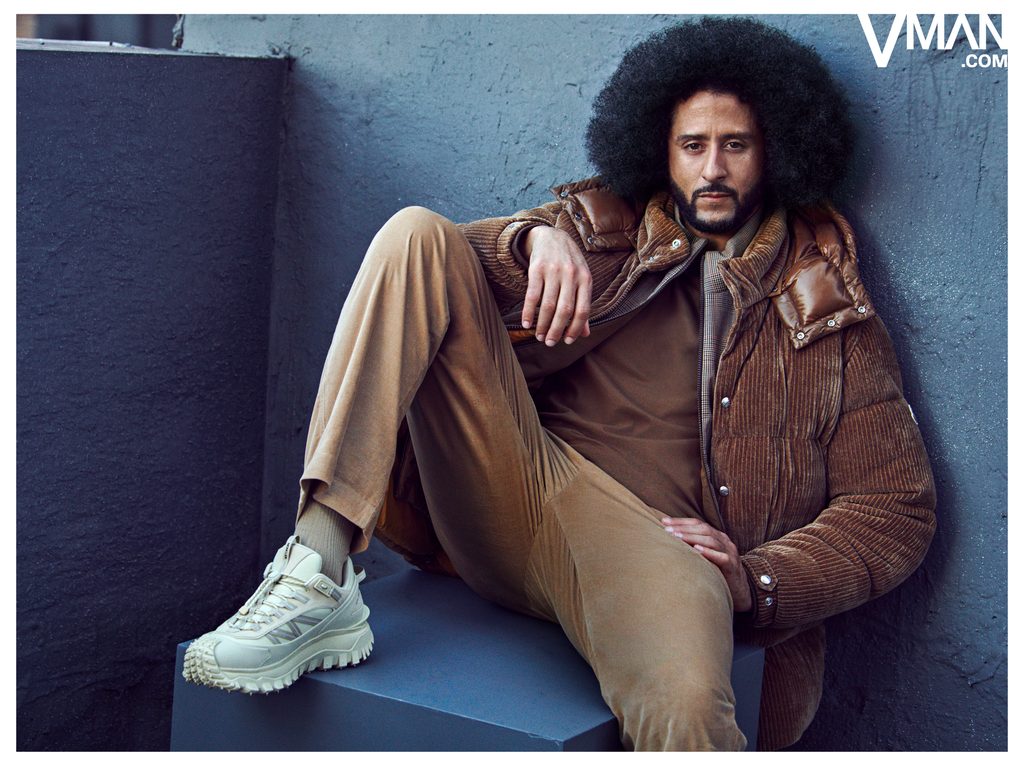
VMAN: What made you want to write a book?
COLIN KAEPERNICK: All of the questions I’ve been asked over the years. Telling my personal story is not particularly interesting to me. But giving insight into areas people have had interest in and have asked a lot of questions about has led me to write the book. We’re also at the 10-year anniversary of the protest in 2016. Ultimately, I hope people can learn some of the process, the insights, the things I had to navigate; can take those lessons away; understand their own power, agency, and influence; and hopefully some practical steps around taking action.
VMAN: Why is your personal story not very interesting to you?
CK: You live it, so it’s normal to me because it’s all I know. Telling a personal story for the sake of telling it also feels a little self-serving. I hope people receive and utilize it with purpose and attention. That’s a lot more interesting to me.
VMAN: What did being a public figure as an activist, and then writing a book, teach you about how narratives develop, how to read them, how to reclaim them?
CK: It’s interesting because there’s an evolutionary journey within that, first on the football side, and being known for that, and then the activism side. There’s a nuance of approach and perspective as far as how you need to handle it. On the football side, it’s this is your dream, your passion. You’re chasing that. On the activism side, that no longer becomes about you. The decisions you have to make are different from the ones you’d make as just a football player or a general public figure. I think this is where some of the intention behind the book comes. It’s through that process of seeing over the last 10 years how narratives are created and manipulated, how fragile they can be, but also how quickly they can spread. Telling the narrative of my story and giving insight through a book creates long-standing documentation, something for people to reference if they’re trying to understand the intention, what I was navigating, how I got to this point. All of those things are laid out very clearly, and more in depth than what you may get from a headline or a quick article. That becomes important when we think about narratives over time, especially in a social media era where everything is fast; we’ll check the facts later. Hopefully, this sits counter to that.
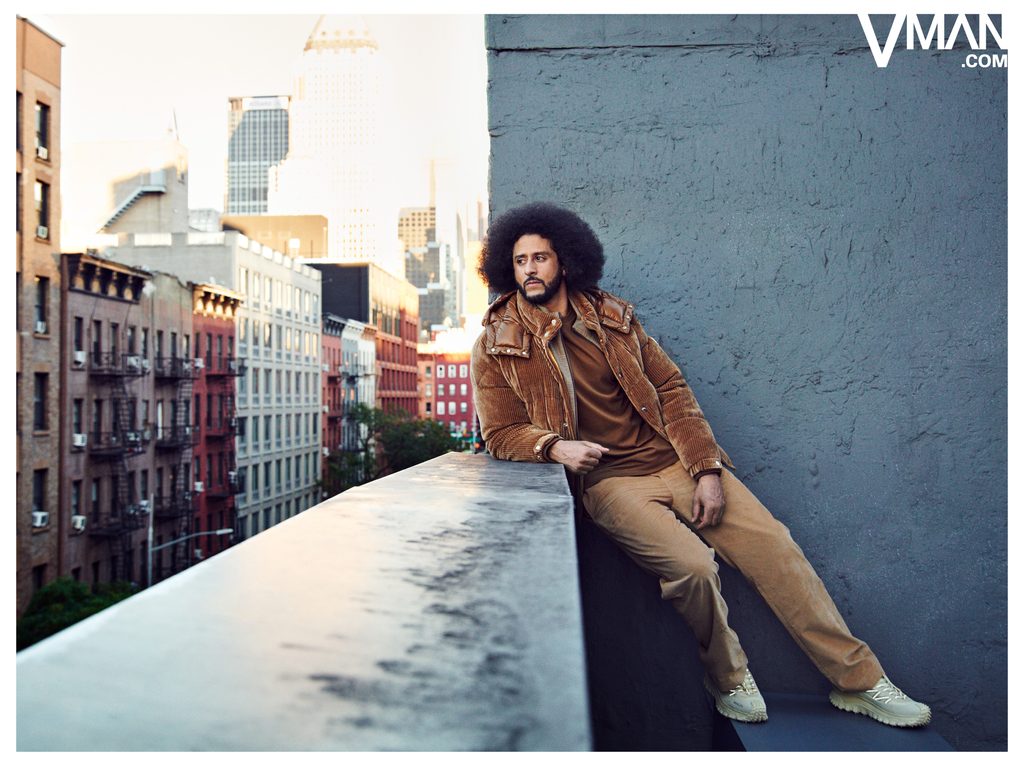
VMAN: What were some stories you wanted to make sure you told in the book?
CK: One of the stories, and it is a very broad generalization, is what got me to protesting. It’s probably one of the top things I’ve been asked: you’re a Black man who was adopted into a white family from a predominantly white community, and became a football star—what was that journey? Why did you even care? Being able to give people insight into that journey from early childhood experiences to navigating the politics of sports, then navigating what it was like to get to college—all of those become informative moments that build and shape you over time, and ultimately lead to the protest. On the other side were all the stories that followed the protest. A lot of people saw the broader narrative and some of the high-level [details] of it. The questions I’d always get were, “What actually happened in this moment behind the scenes? I saw what was out there, but give me the real story of what happened.” Those become so valuable because the next person looking to do something or navigating a situation like this now—hopefully, it gives them a template to be able to refer back to of what to expect.
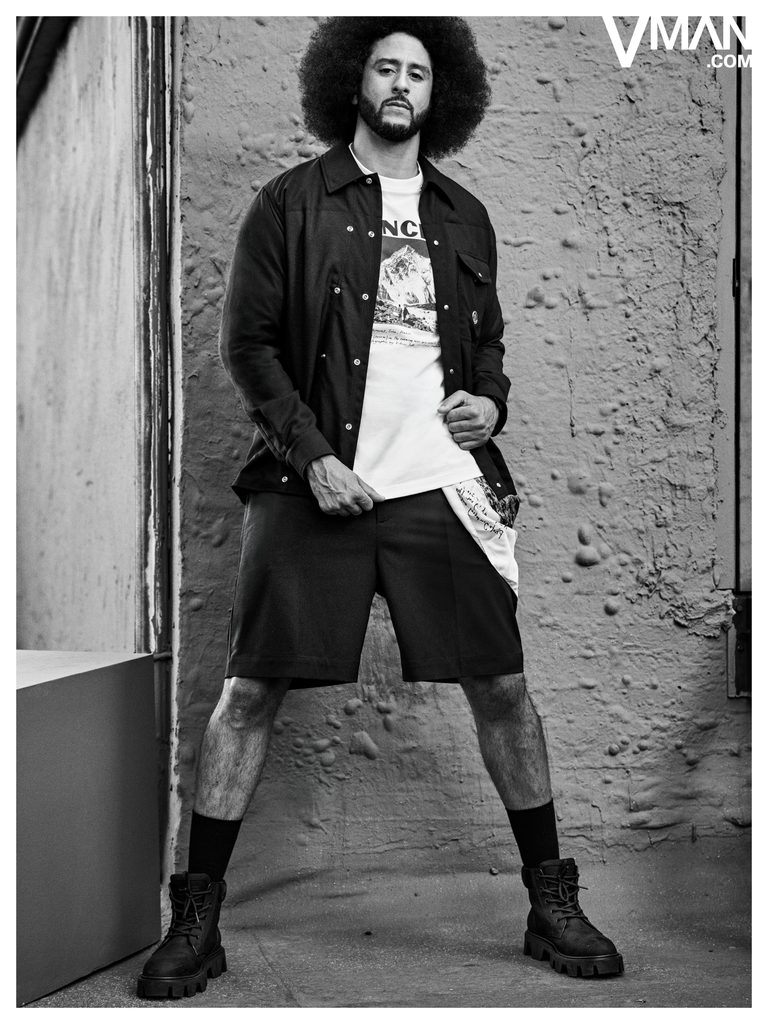
VMAN: What was the experience of writing the book and revisiting all of those moments, especially the ones you mentioned? Did it make you reflect on them in ways that you hadn’t previously?
CK: That’s a good question. The process of writing the book was tedious. It took years to get done. Reflecting did make me think about moments differently, especially being at a different place in my life, having a different understanding of the other side. One area I specifically reflected on was after the protest over the last 10 years. There were a lot of adversaries or detractors, false stories. For most of those, I did not come out to do a sit-down interview and address them head-on. We tried to address them in other ways, but I didn’t want the focus to become the back-and-forth or the conflict. I think that created a little bit of fog for people trying to figure out the truth. That’s one of the areas of reflection. I think, could I have approached that differently? And should I have taken those head-on? How much of a distraction would that have become from the ultimate goals we were trying to get to? I don’t have an answer, but it’s something I think about. I see how far people were willing to take that, and I realized people would do it knowing I’m not going to go attack them. This also became something I had an awareness of, but I didn’t want to lose sight of the end goal. That’s what I think about a lot. Just could we have had a broader impact?
VMAN: How do you think your work as an athlete prepared you for your work as an activist?
CK: Resilience and grit stand out because it is not going to be easy. As an athlete, you were constantly being put to the test, pushing the bounds. You’re trying to force your body, your mind, to do things it’s never done. I think the practice and training of that over years is beneficial. Protesting, you’re going to face obstacles, new challenges you never considered. That mental preparation you navigate on the sports side has direct correlation in the practices you’ll need on the activism side.
VMAN: What does progress as an activist and as a person feel like for you now?
CK: We continue to build and expand the impact of Know Your Rights Camp. We’re naturally entering more political spaces. We’re seeing the impact and influence of policy changes. We’re seeing this show up in ways I don’t think it’s shown up historically. And we spent a lot of time on the education side, looking to have an impact there—direct community, policy, and education work. On the personal side, we’re constantly racing to get better. That can look a lot of different ways, depending on the work we’re doing. It could be something as simple as how I show up in a meeting or how I engage with someone. It could be how we’re building programs, how we make those more efficient and scalable. On the policy side, we’re trying to expand our work, looking at how I can help push that forward. I look [to see] if there is ever an edge or a way I can make a process better by being better myself and ultimately make that thing better.
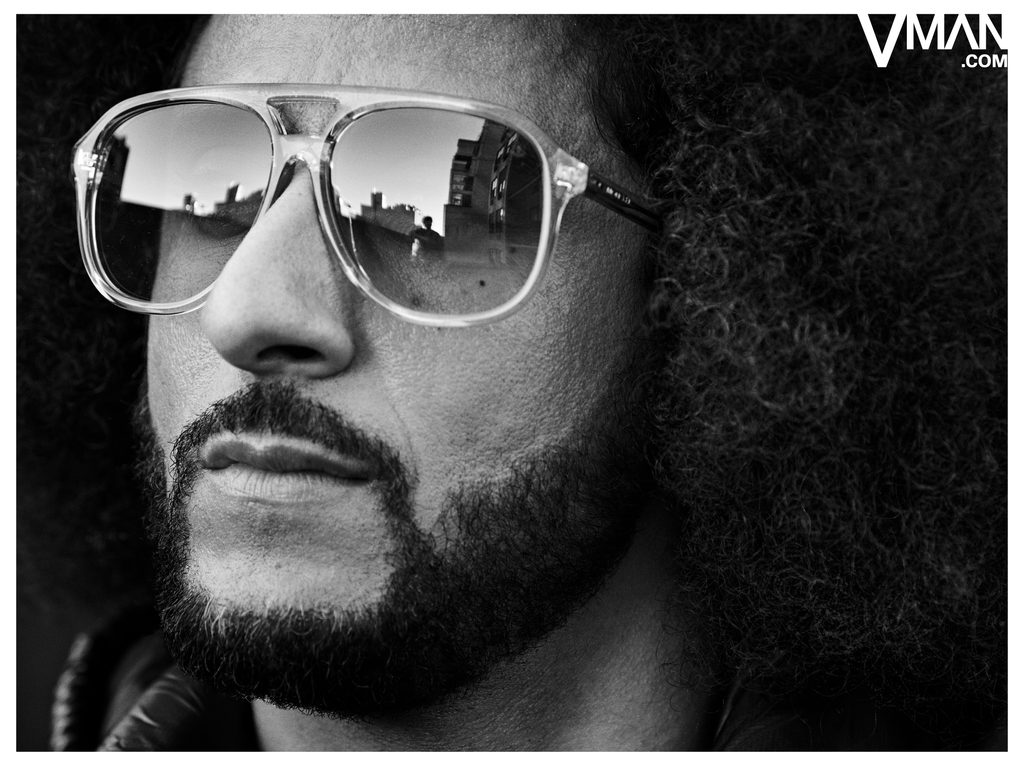
VMAN: To a certain extent, activism has always been a part of sports, but what has it been like to see the growth in athlete activism come after you?
CK: The part that was most amazing to me was the number of protests that came out of youth sports. It was remarkable. We saw it show up across the country. I also don’t think I had an appreciation for the level of significance it would have internationally, and how athletes would show up. I love that people are looking at how they can push the balance in their individual spaces. That has been exciting to see because athletes have a unique position and opportunity to move culture and society. To see people actually take that up and own it has been very exciting.
VMAN: Even when the backlash was overwhelming, was there a specific moment where you saw the impact of your actions and thought it was worth it?
CK: Seeing other athletes protest lets me know that it resonated and had an impact more broadly. We’ve seen it show up with the autopsy initiative and the impact that’s had on families. [It’s also] within Know Your Rights Camp. We have gotten letters, feedback from kids who have come. We’ve seen them write college entry essays about that being the most impactful moment of their life. We’re now seeing social workers deployed into communities as opposed to police. We saw it show up on the corporate side. We saw hundreds of millions of dollars allocated to DEI initiatives, particularly in 2020. I also think there’s going to be a broader impact that’s harder to quantify. There will never be a right time or right place [to speak up]. Within that is more so being consistent in the actions you’re taking, being consistent in the message you’re presenting, so it becomes undeniable to people where the focus should be. Focus and clarity are the most important things.
VMAN: What are your goals moving forward, and what do you still want your life to be?
CK: We touched on some of the goals as far as impact, but I still train. I still prepare to step back on the field and help a team win a championship. The other is being a great father and great husband. I want to make sure, as I’m doing all of the work in the other spaces, that I’m showing up for my family in the right way, giving my daughter the right foundation and support she needs to be the best version of herself, and the skill sets she’s going to need as she steps out into the world. This can be very interesting to navigate as a parent. I want my daughter to be independent and fearless. The early years, the impact it has on her life, and something she didn’t ask for is a decision my wife and I made. She has to live with the consequences of that. That comes with an immense responsibility to make sure we set her up in the best position possible to do what she’s passionate about.
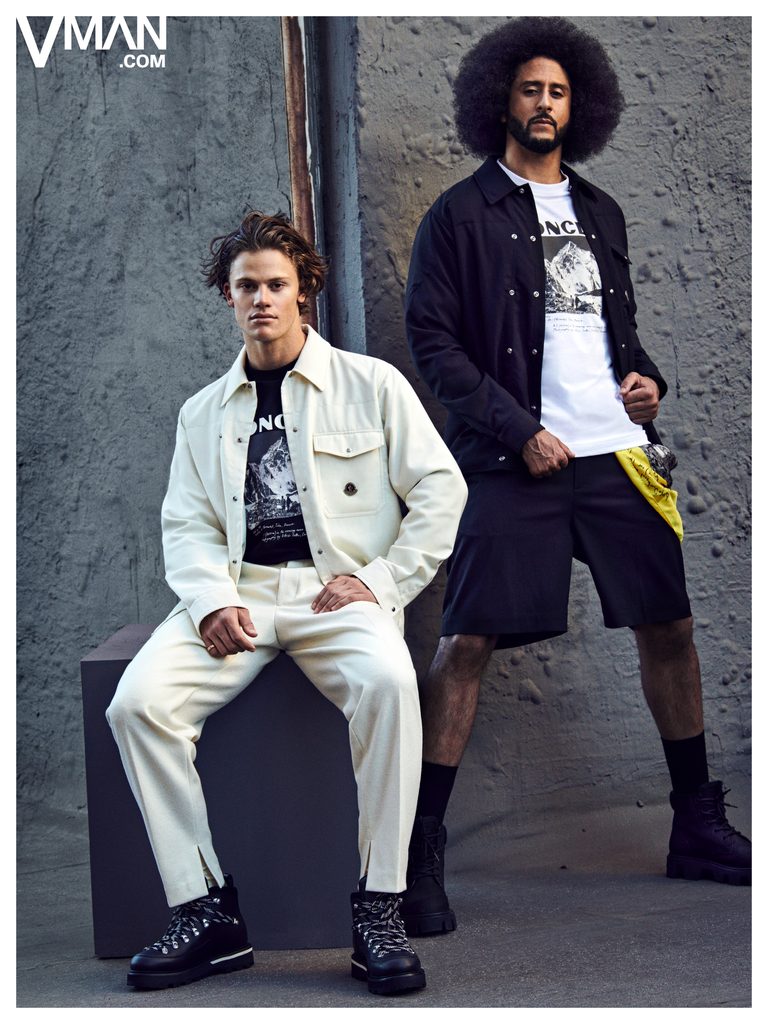
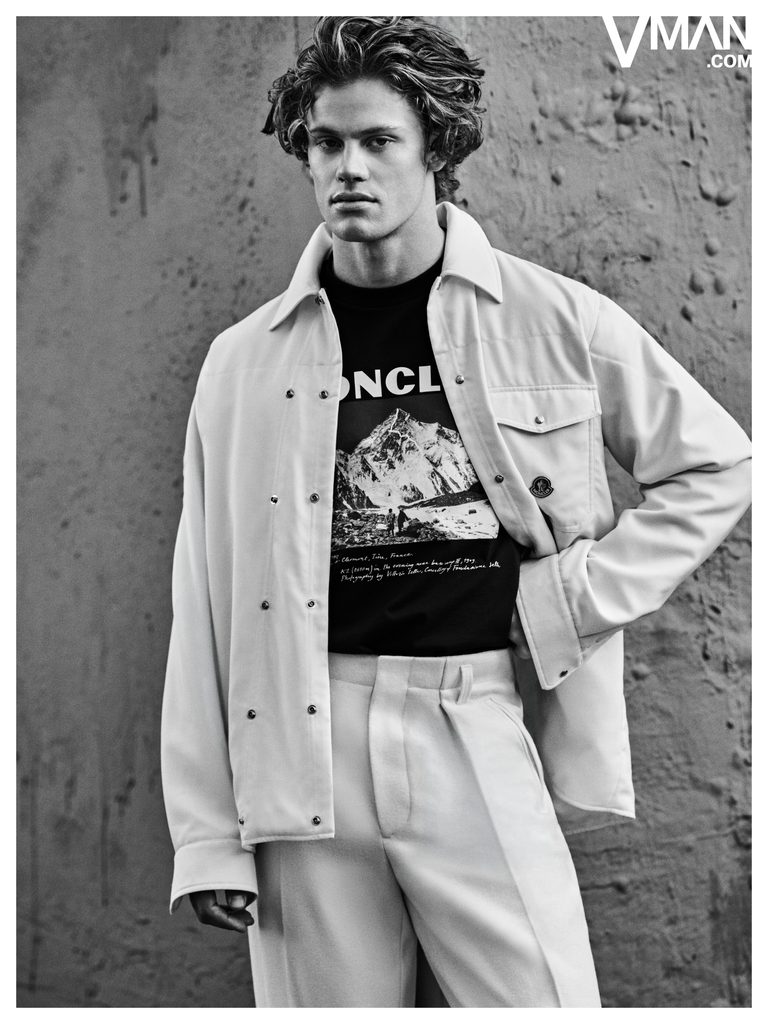
Growing up across Norwegian and Brazilian culture, Lucas Pinheiro Braathen always felt like a bit of an outsider. He found himself first through music and dance—hearing and seeing Michael Jackson’s work in particular—but then on the slopes, where it didn’t matter who he was. By the time he was 22, he was already a men’s giant slalom World Champion, skiing for Norway. But about a year later, he decided to retire—he just didn’t find the freedom to be himself within the Norwegian Ski Federation, something he had been seeking since his youth. He took time off, then ultimately returned to skiing in 2024, this time for Brazil. He brought the country—and South America overall—its first-ever gold medal in the Winter Olympics earlier this year, and in that time became a beloved national figure. While he was building a name for himself on skis, however, he also began the Luci Foundation (pronounced Lukey, after his nickname as a child) in 2021. With the goal of creating inclusivity and access in sports, the Foundation is anchored by the belief that “by removing financial barriers, we ensure that every young person has the chance to grow, compete, and thrive through sport.”
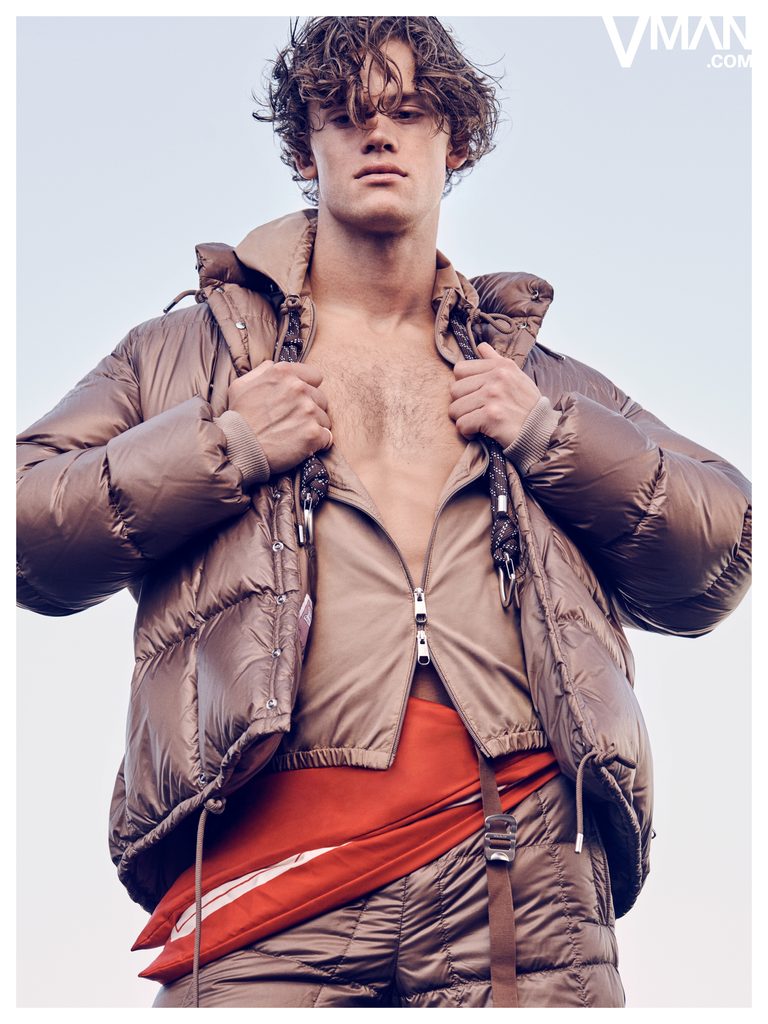
VMAN: What inspired you to start the Luci Foundation?
LUCAS PINHEIRO BRAATHEN: It originates with why I even ended up with sports. My first source of inspiration was music video DVDs of Michael Jackson growing up. I was blown away by music and dancing. I found them to be universal languages freed from your culture, country, accent, how you look, skin color. That was always where I felt at home as someone who grew up between two cultures, Brazil and Norway, having divorced parents from an early age, constantly moving around new schools, new communities. I never found my own identity, and I always felt like the little weird kid, the little outcast. With Michael Jackson, I was like, this guy’s free from all of these things I’m insecure about. I didn’t have the courage to pursue dance because I was afraid of what other boys at school would tell me. There’s also the cultural element—Norway has strict social norms, and Brazil’s so free. When I encountered [soccer], playing in Brazil in São Paulo, visiting my family, I found the first place where I felt at home, and I felt free from all of this prejudice. All of a sudden, it didn’t matter where I came from, how I talked, or how I looked. It was only how I played, and that’s how I fell in love with sports. I’ve pursued sports since then. Skiing came later on because I found out that in order to chase snow, I’m chasing mountains in snow, like many kids from many different places around the world. We would always be tangled up in groups with kids from different backgrounds, different cultures, sharing this thing we loved. There, I felt even less outside of the box because we were all so different from one another. I fell in love with ski culture, much more than the sport itself. That’s where I found my platform to express who I am and felt the most authentic.
VMAN: What was the process of starting the foundation?
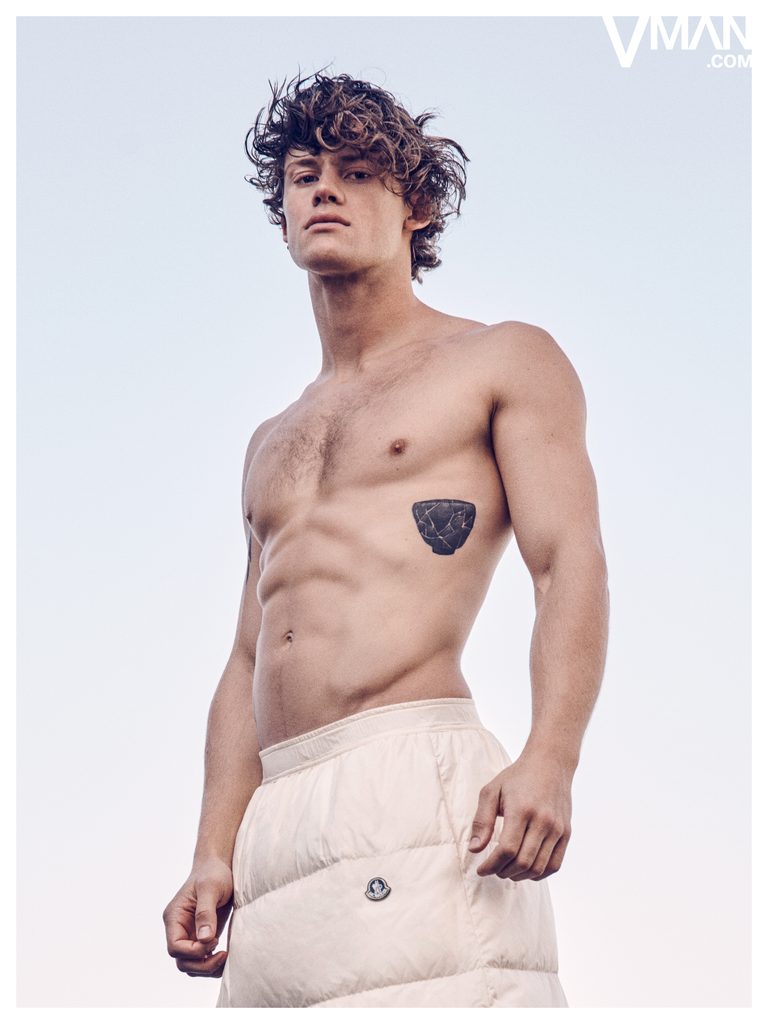
LPB: When I was taken in by the first group on the hill, I felt such relief. I felt so welcomed and so at home for the first time at age nine. I then understood the power that sports have for people like me. I remember after one year of skiing I told my dad, the day I become good enough to give something back to the sports community, I want to create what skiing did for me, for other kids who also feel like outsiders. The foundation came from growing up, maturity, and understanding. The tough reality is, especially being half Brazilian, seeing what realities are for most over there. When I was 21 years old, I said I wanted to start building my own foundation to help children who don’t have the means to take part in sports. The biggest value of sports is inclusion. Until it isn’t; then it’s all of a sudden the most exclusive thing. When it’s inclusive, it’s unity, allowing people to learn how to work together, to work with themselves instead of finding other escapes in tough situations. It’s all with the purpose of trying to help bridge that gap.
VMAN: What are some of your favorite Luci Foundation success stories so far?
LPB: We have a fundraiser camp every year where we bring in kids from all over the world [together]. The event has two purposes. It’s obviously raising funds for the cause, but it also becomes our medium of communication around the purpose of the foundation itself. Instead of focusing on results and timing, my father and I create four groups for three days. We purposely separate all of the kids as much as possible geographically, so we ensure diversity and exposure to differences within each group. We also try to do as many activities as possible besides skiing. So it’s not really a skiing camp; it’s an activity camp where we do collaborative activities,so they have to learn how to work together. Then I have a conversation with all the kids about my story and what I want to leave them with to bring back into their sport. [I’m moved when] those shy, intimidated kids start in the back of the group, then all of a sudden end up being an example for the other kids during an activity. Those moments help me see the value sport has to offer. There’s this young British girl who had been suffering from sicknesses pulling her in and out of skiing. She came in so shy and afraid, especially because these sicknesses had put her out of school. She told me about how sports have become so important for her because at school she felt so distant from the kids, but on the hill, skiing, she felt free. Having her come back to my camp healthy again, ready to ski, then putting her in front of the group to lead as an example for the other kids was really nice. I got a big hug from her after the fundraiser camp, and the mom came over and showed appreciation, telling me how much it meant to her, and it was really moving.
VMAN: How did you make freedom for yourself in skiing?
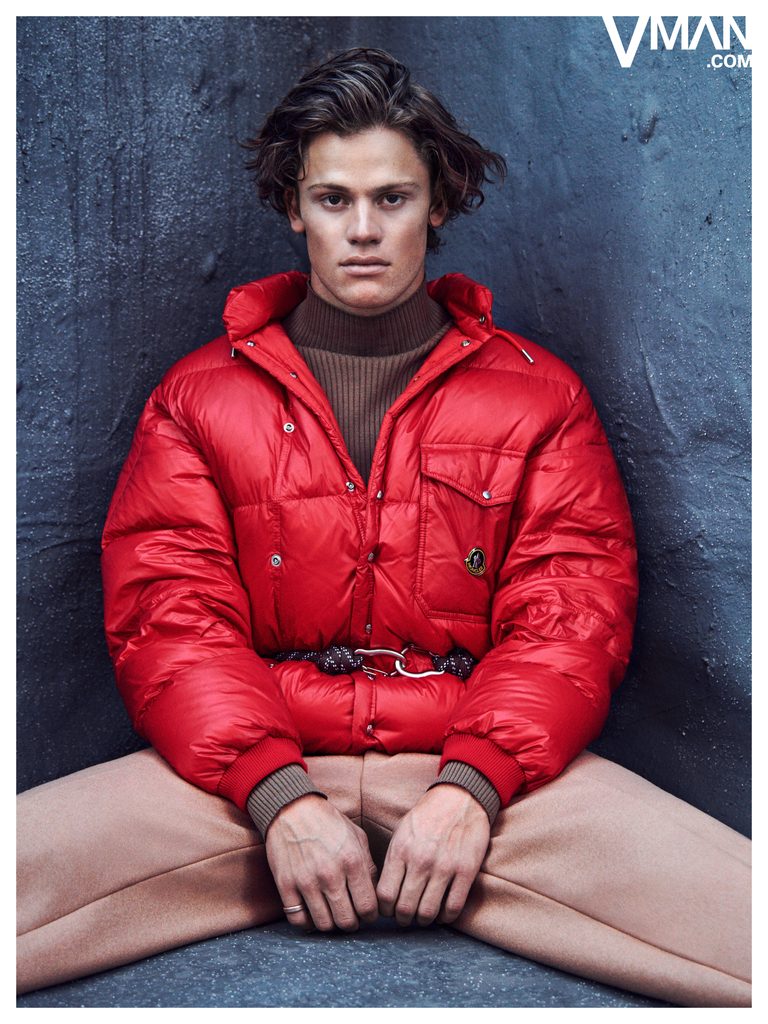
LPB: When I was representing Norway, I found myself in the sport I love, but on other people’s terms. I dedicated my life to sports as a platform in order to be free and to express freedom to others, and hopefully inspire other people who can relate. I found myself in a situation where I had to choose between practicing the sport I love, but put my purpose and true goals on the shelf in order to do so; or remain connected to my purpose, but sacrifice my sport. After four years of fighting within the Norwegian Ski Federation, trying to open up for more diversity and acceptance of differences, I gave up, and I understood I had to pave my own way in order to remain connected to my purpose. And so, 48 hours ahead of the World Cup season opener of 2023 and 2024—I was a reigning World Cup champion at the time—I called in a press conference, and I said I was retiring from ski racing at 23, that I needed space and freedom to be who I am and realize my greatest potential. I booked a one-way ticket to Brazil, no plan, no education, no job lined up. All of my contracts and money at the time were bound up in my sporting achievements. I ripped those contracts apart and walked away. I started this journey of exploring how I would serve that purpose; I had now gained the freedom to do. I started venturing into fashion. I did some creative directing gigs. I walked my first runway show at Copenhagen Fashion Week. I was trying to find my new path. Slowly, I started finding my way back to skiing, and eventually, obviously, Brazil. I realized that if I could represent Brazil and do it on my own terms, I would continue the career I started as a skier, but redefine how that could look. That’s what I ended up doing.
VMAN: How did you do that?
LPB: One of the big limitations was being directed on what I could and couldn’t talk about in public. I would also receive criticism for the clothes I was wearing, to the point where they would start directing how I could wear clothes in order to fit their narrative and commercial interests. Another example is that I always wanted to represent my Brazilian side, even though I was representing Norway, and they wouldn’t allow me to have a Brazilian detail on my apparel to show part of my cultural upbringing. I met with the Brazilian Snow Sports Federation—which, believe it or not, exists—to explore the possibility of what this would look like. This very long meeting at their offices ended with, “Hey, listen, guys. I’ll represent you. The only thing I want is commercial and creative freedom to structure my growth and development as an athlete in the way I want to. I want no limitations on how I can express myself through my clothes when I am competing, what I can talk about and not talk about in interviews. You need to let me be exactly who I am, and that’s all I ask. They shook hands on that, and we signed the papers with that in writing. Freedom to be who you are is fundamental in order to be able to connect with people, and that’s all I demanded. What I really wish for myself is that the day I’m done with ski racing, I can look back at my career as one that brought more acceptance for differences and more diversity. I see sports as an amazing platform to be able to not only talk about it but to prove it through your achievements. My sporting goals—they’re a vehicle to give myself that platform to serve my true purpose. That goes beyond sports.
VMAN: What was it like to announce you were going to be skiing for Brazil? And to receive this outpouring of enthusiasm once you won?
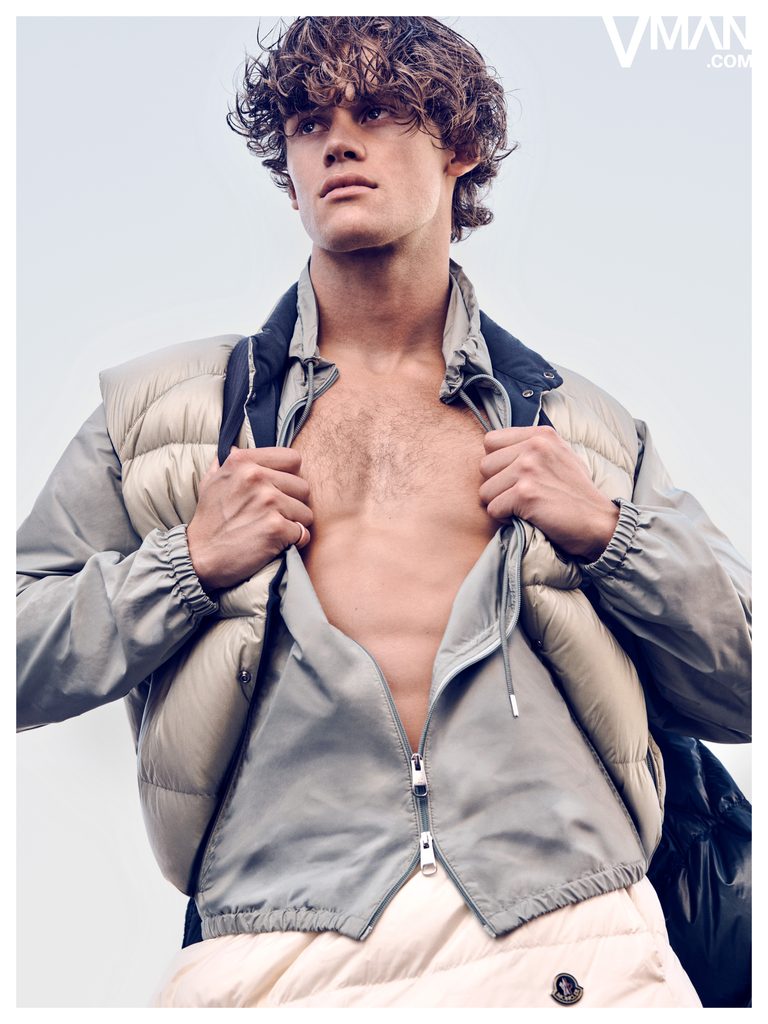
LPB: In Norway, ski racing is the national sport. It’s like the NBA here. It’s football in Brazil, so it’s obviously something with huge cultural relevance. Having already become a World Cup champion representing Norway, and then as reigning champion retiring because of all the criticism, then representing a nation of over 210 million people that doesn’t even have snow—you can’t even practice the sport within the four walls—there are two sets of people. People who say this is completely wrong, you’re doing this for commercial incentives; this is a plot for Gen Z marketing, a construct for my own commercial benefit. Then you have the polar opposite, who celebrate that alpine ski racing got this representative trying to show there are other ways to pursue things. It broke down some barriers and could allow the next generation of kids to pursue whatever it is they want as they are, not according to other people and their expectations. In Brazil, it was very special. Brazil has an affectionate, warm, and loving culture. What’s beautiful in Brazil is the importance of sport. Sports unite the whole country. Being a person who brought a new sport to represent them was a rich experience. When I’m skiing, I see it as an extension of where I come from and where I want to go. I look at my interaction with the nature of that moment, that pressure, the history, the failure I have the potential of becoming—it’s such a triggered state. You’re forced to be your authentic self. Where I see growth [in becoming] a better skier is in daring to be who you are in [the pursuit of] what makes you happy. That’s when you get to be the greatest light to people around you. The more people dare to be who they are, the better frequency we’ll all live in. That’s very much what I think sport has the potential to be, and why I think it’s so beautiful.
Photography Matthew Brookes (2B Management)
Fashion Brian Meller
Creative Director / Editor-in-Chief Stephen Gan
Hair Quis Rosado (Wall Group)
Makeup Renee Garnes (Opus Beauty)
Digital Director Mathias Rosenzweig
Editor Kev Ponce
Interview Elyssa Goodman
Fashion Market Editor Gabby Buchan
Executive Producer Kevin Warner (WAK Creative)
Production Brandon Tejada (WAK Creative)
Associate Producer Nick Lambrakis (WAK Creative)
Lighting Director Ivory Serra
Digital Technician Zoran Jelenic
Photo Assistant Grady Corbitt
Fashion Assistant Sam Bensoussan
Director of Editorial Film Mynxii White
Discover More