In ‘Gordon Parks: Voices in the Mirror,’ A Look In Front of and Behind the Lens
“I don’t think 50 years from now, even 20 years from now, we’re going to be able to do this kind of an exhibition.”
When I enter the Jack Shainman Gallery at 46 Lafayette Street, I instantly wonder if I’m in the Church of Gordon Parks. High, arching windows draw the eye instantly toward the famed photographer’s images of Muhammad Ali. Perhaps accordingly, taking in each image feels like a prayer.
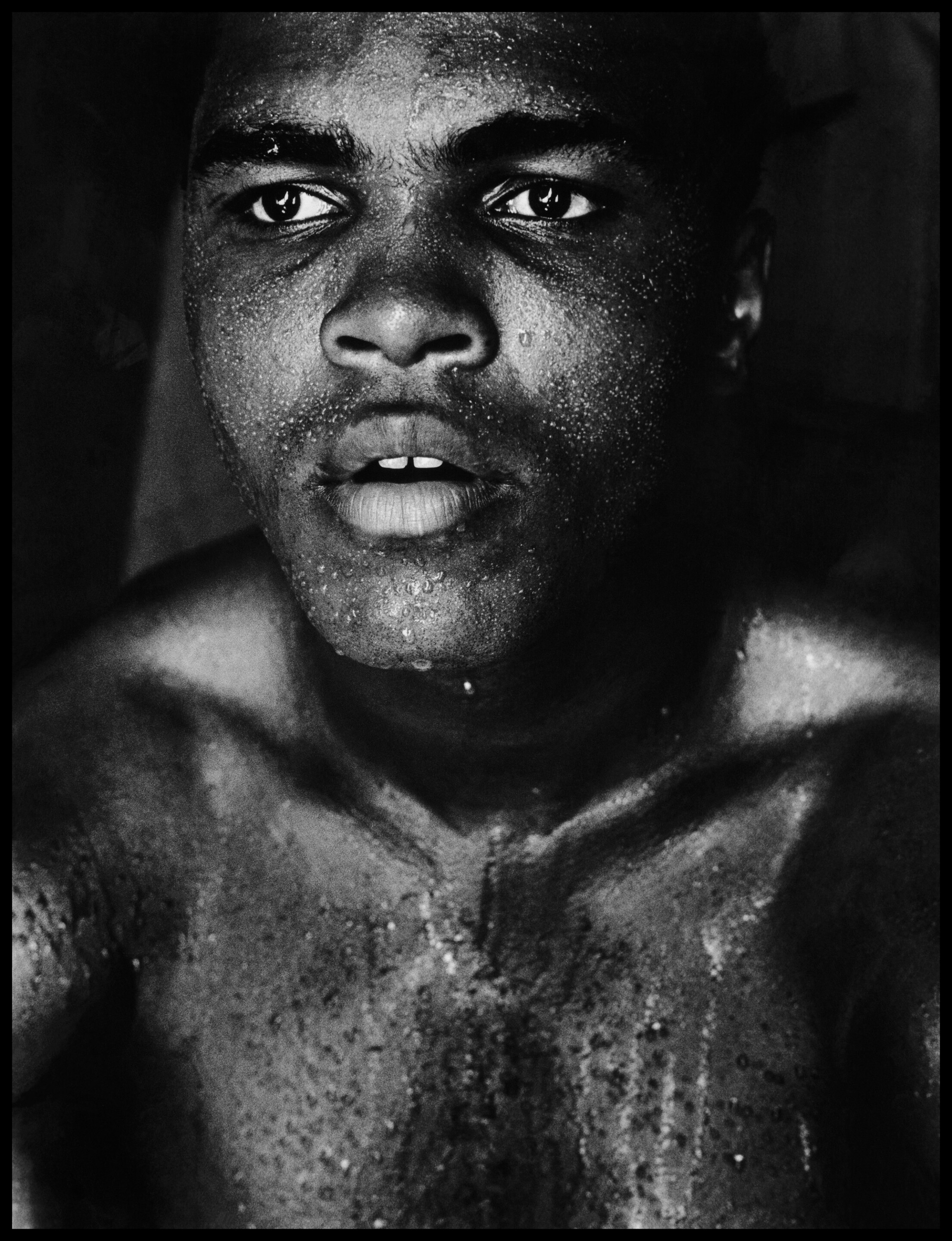
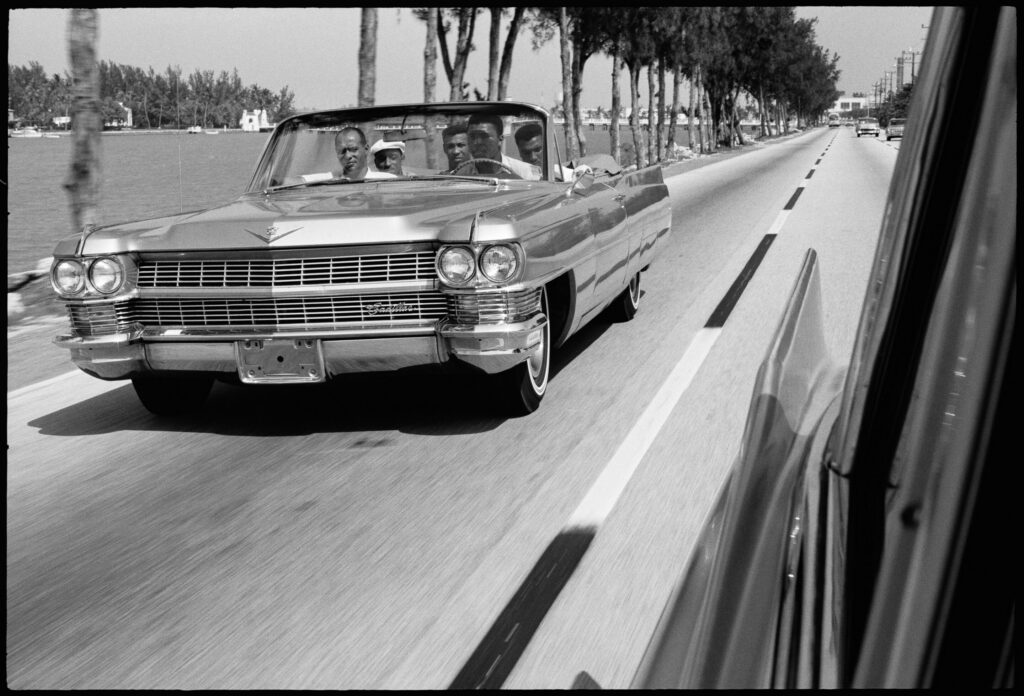
In one, the legendary boxer cruises through Miami in a Cadillac, a dance of lines and light, a single moment lensed through tailfins. In others, Ali’s skin twinkles with a galaxy of sweat after a workout. He’s photographed in a blazer balanced in sunbeams; in a sweatshirt, fists balled, mid-movement. Ali famously knew how to pose for a photograph, but Parks still captured intimate moments with the athlete, and really with everyone he photographed, whether he knew them well or not. This phenomenon is at work in the new exhibition Gordon Parks: Voices in the Mirror at the Jack Shainman Gallery, which chronicles not just Parks’s most famous images, but the insights of subjects or their families alongside the images themselves.
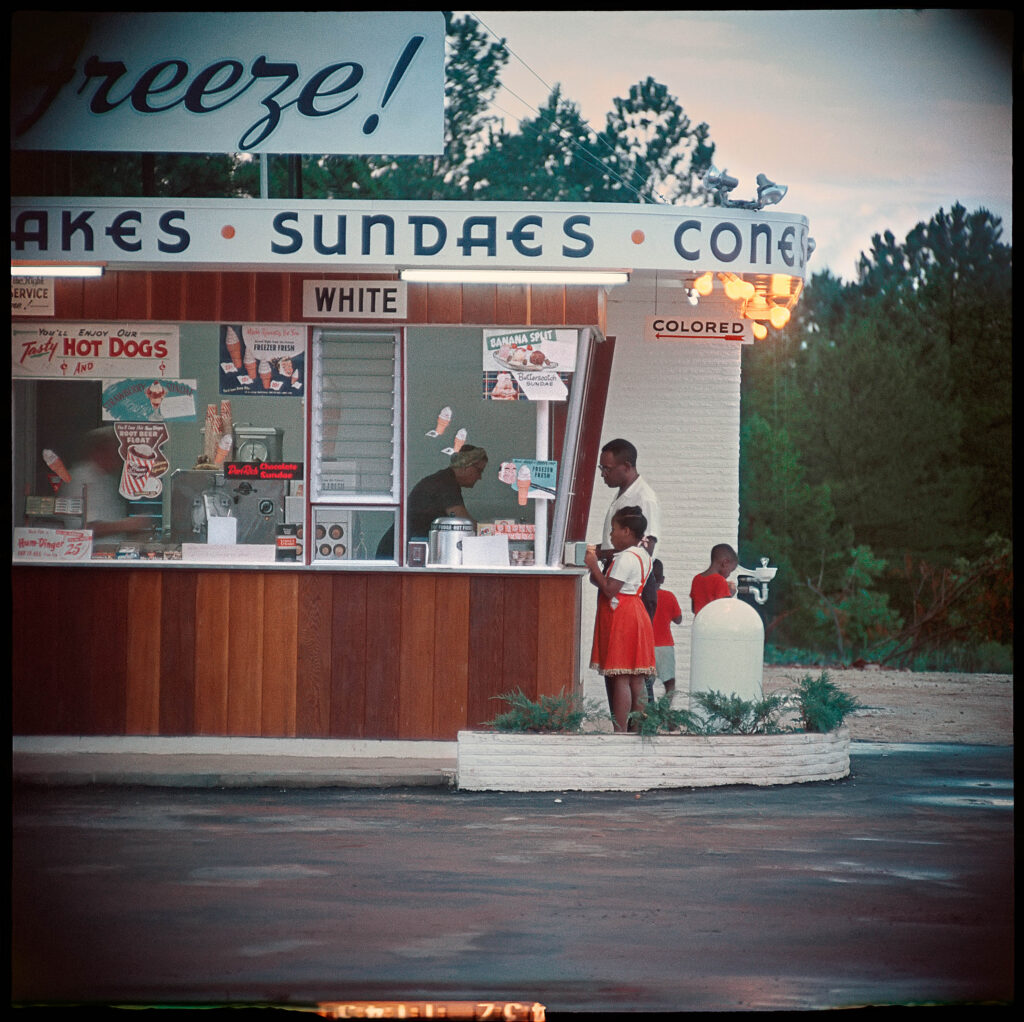
Photos of segregation in the American South of the 1950s, for example, are accompanied by the insight of Cora Taylor, a young girl who appears in some of the images. “I wondered what was going on, because you didn’t know who to trust and who not to trust,” she shared. “I let my mother know about the photograph, in case anything went wrong. A few weeks later I saw the picture in LIFE magazine, and I just couldn’t believe it.”
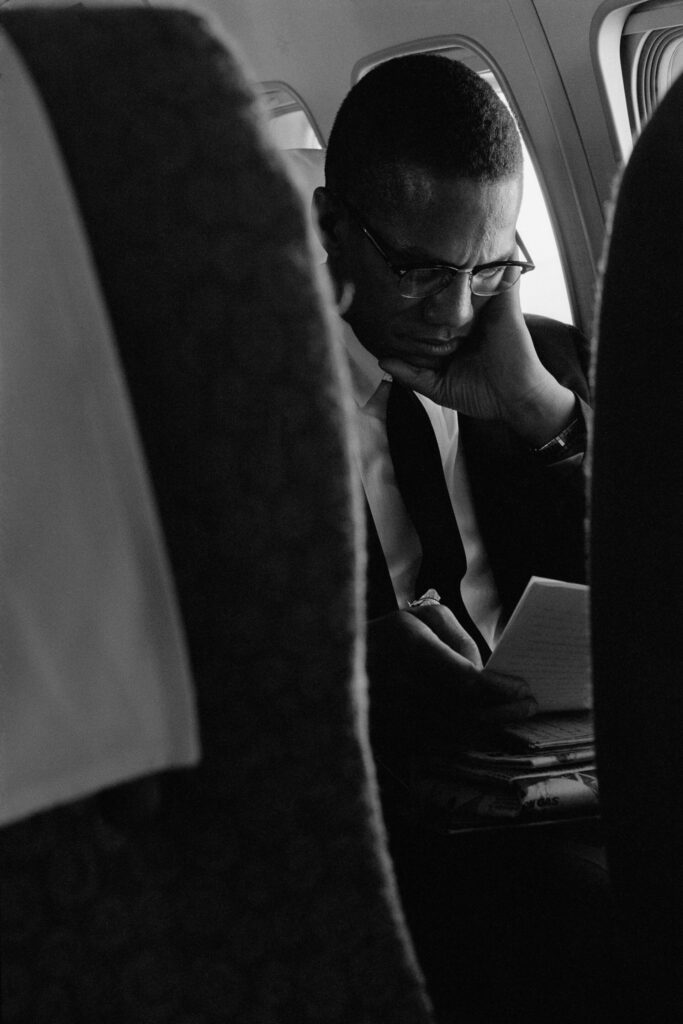
Qubilah Shabazz offers a view of Parks through his images and his relationship with her father, Malcolm X. “My father and Gordon initially assumed that they were different in many ways, and they were. But in the long run they wound up adoring each other, and that’s how I came to be Gordon’s goddaughter,” she said. “I know that my father had a lot of respect for Gordon, and Gordon did really gain his trust.”
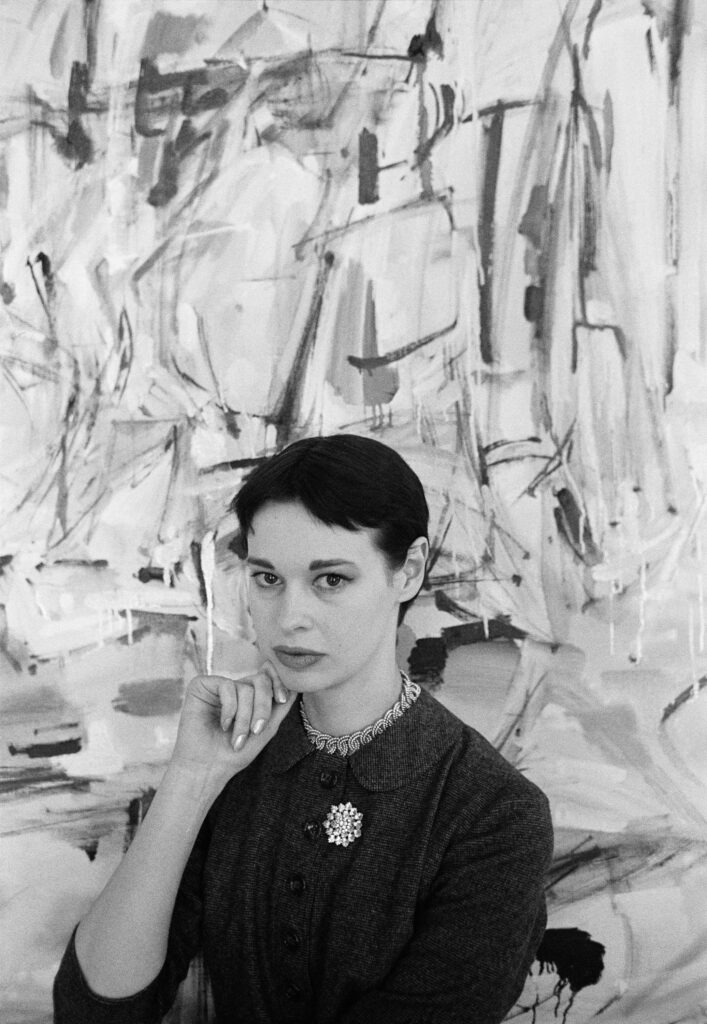
Anderson Cooper, meanwhile, reflects on a photograph of his mother, Gloria Vanderbilt. “I think Gordon and my mother saw it in each other that they were both survivors. What’s remarkable about both being survivors is that they both remained completely open and able to be vulnerable again.”
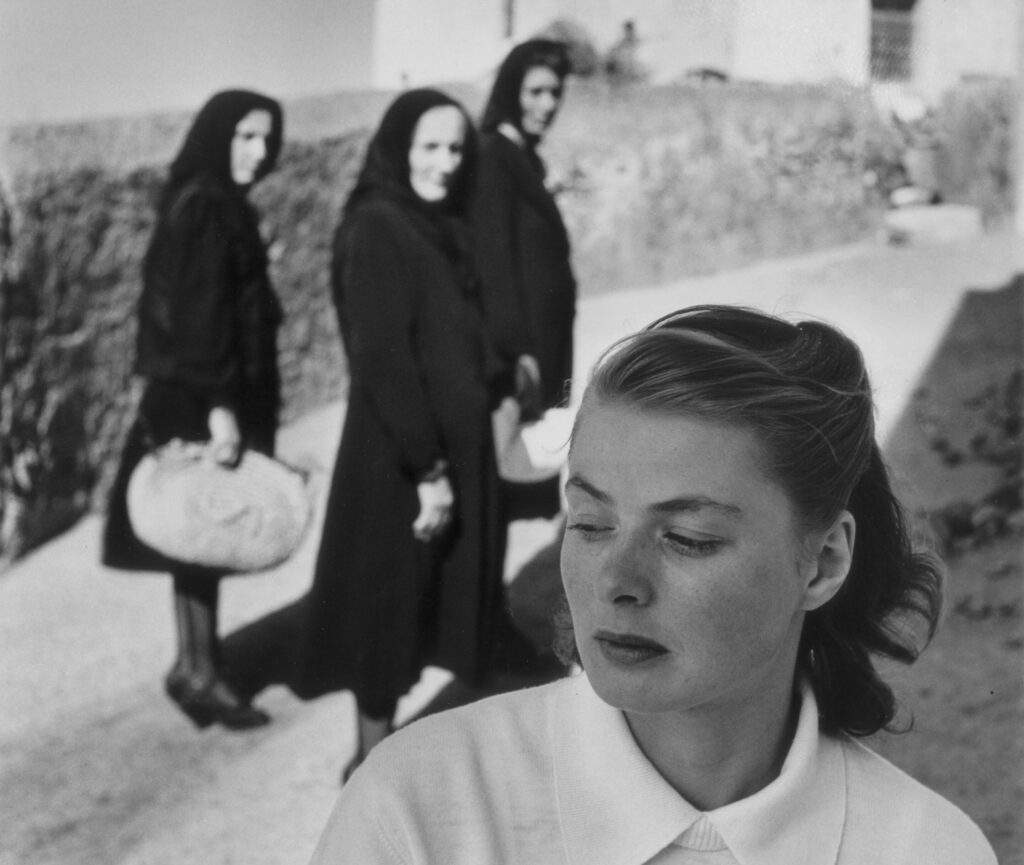
An image of Ingrid Bergman on the street in Italy, stared at by a group of nuns following the scandal of her affair, features an annotation from Isabella Rossellini. “Gordon Parks’s photos of my parents were not affected by the gossip and scandal that swelled around them,” she shared. “But Gordon Parks kept a firm eye on them as artists…Parks had an incredible ability to synthesize complex realities in a single image.”
What these external voices reveal is twofold: we learn how accurately Parks was able to see his subjects as people, to understand their pressures and joys, their pain and power; but we also learn about Parks himself.
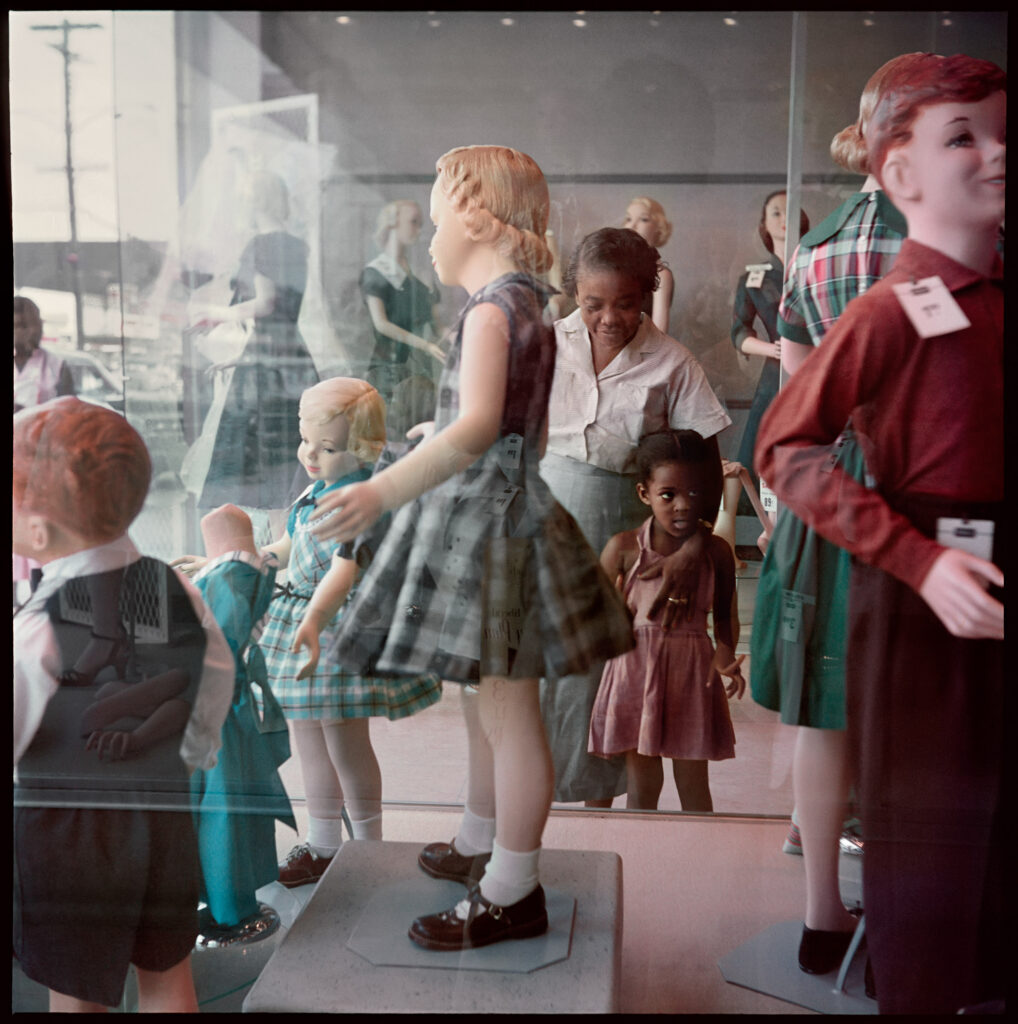
What the exhibition highlights beautifully is that no matter where Parks went–whether he was at the March on Washington, on the set of The Color Purple, or in artist Helen Frankenthaler’s studio–each image states, unequivocally, this is a human. A young Black girl, Ondria Tanner, and her grandmother peering into the window of a children’s dress shop, the mannequins all white. A hand holding a cigarette, draped out of a prison cell door. A family getting a treat at an ice cream stand, waiting in front of the “Colored” window in Shady Grove, Alabama, 1956. Malcolm X in a quiet moment, reading on an airplane. Parks had an uncanny ability to highlight a moment and guide us through his own thinking about the matter at hand, illustrating what about it needed our attention and why.
Voices in the Mirror, named after one of Parks’s autobiographies, arrives in time for the 20th anniversary of The Gordon Parks Foundation, which “permanently preserves the work of Gordon Parks, makes it available to the public through exhibitions, books, and electronic media and supports artistic and educational activities that advance what Gordon described as ‘the common search for a better life and a better world.’” Peter W. Kunhardt, Jr., is the foundation’s Executive Director. This exhibition was assembled as “a way to have first-, if not secondhand experience understanding the relationships that Gordon had with his subjects,” Kunhardt, Jr. said. Kunhardt, Jr.’s grandfather, Philip Kunhardt, was the managing editor of LIFE, and co-developed the foundation with Parks in 2006. Kunhardt, Jr. grew up with Parks as a family friend. “I knew Gordon very well, and so this has been a real passion for me to be able to talk about Gordon in a way that isn’t just from what I’ve read, but actually witnessed,” he said. “This [exhibition] was something I thought could be really impactful and to be done with the voices of the people who knew him and the families of the people, because I don’t think 50 years from now, even 20 years from now, we’re going to be able to do this kind of an exhibition.”
Putting Voices in the Mirror together as an exhibition was a “two-pronged process,” said gallerist Jack Shainman. “From a technical standpoint, we started by thinking about some of Gordon’s most well known and influential bodies of work. Then, working closely with the Foundation, we identified who would be available to speak to these images,” he said. “In the end we wanted to gather voices from a variety of backgrounds and experiences, and are proud to be able to not only highlight some of Gordon’s most popular images, but also to bring attention to some that aren’t as well known.”
Parks lived in a time, and we still do, when people had to both state and be reminded of the humanity he so masterfully captured. His work is as essential to American history as it is to art history in that way. Parks chronicled moments and movements, yes. But each image is more than documentation in its own way–it’s activism, too. “Gordon’s work embodies the power of images to evoke change, something that has shaped activists for all kinds of movements,” said Shainman. “Especially in times like our own current political moment, that is an important thing to remember.” Without a view of what’s happening, after all, change wouldn’t be possible. It’s as if Parks was always thinking, what does America mean now? and then showed us, unflinchingly, in each of his images. In a time when political conversations and decisions are so fraught, a question like this makes his work timeless–we’re still asking it. I think again about those prayers, how it felt looking at his images. Maybe they’re prayers for a better America. Maybe they always were. And now we know a little bit more about the man behind them.
Discover More