In ‘La Cage aux Folles,’ Billy Porter Chooses Joy
The artist puts freedom center stage in the latest iteration of New York City Center’s ‘Encores!’ concert series
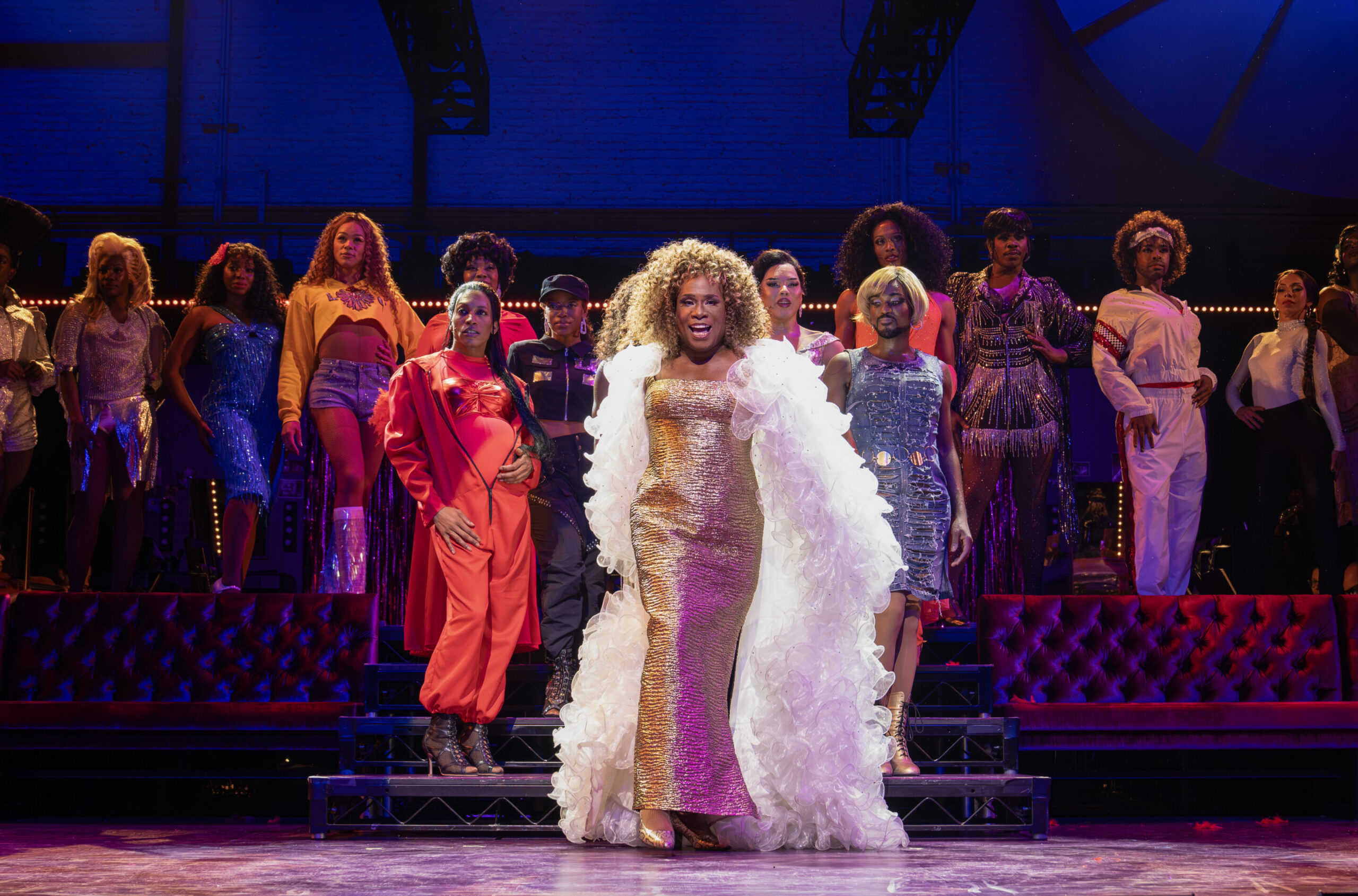
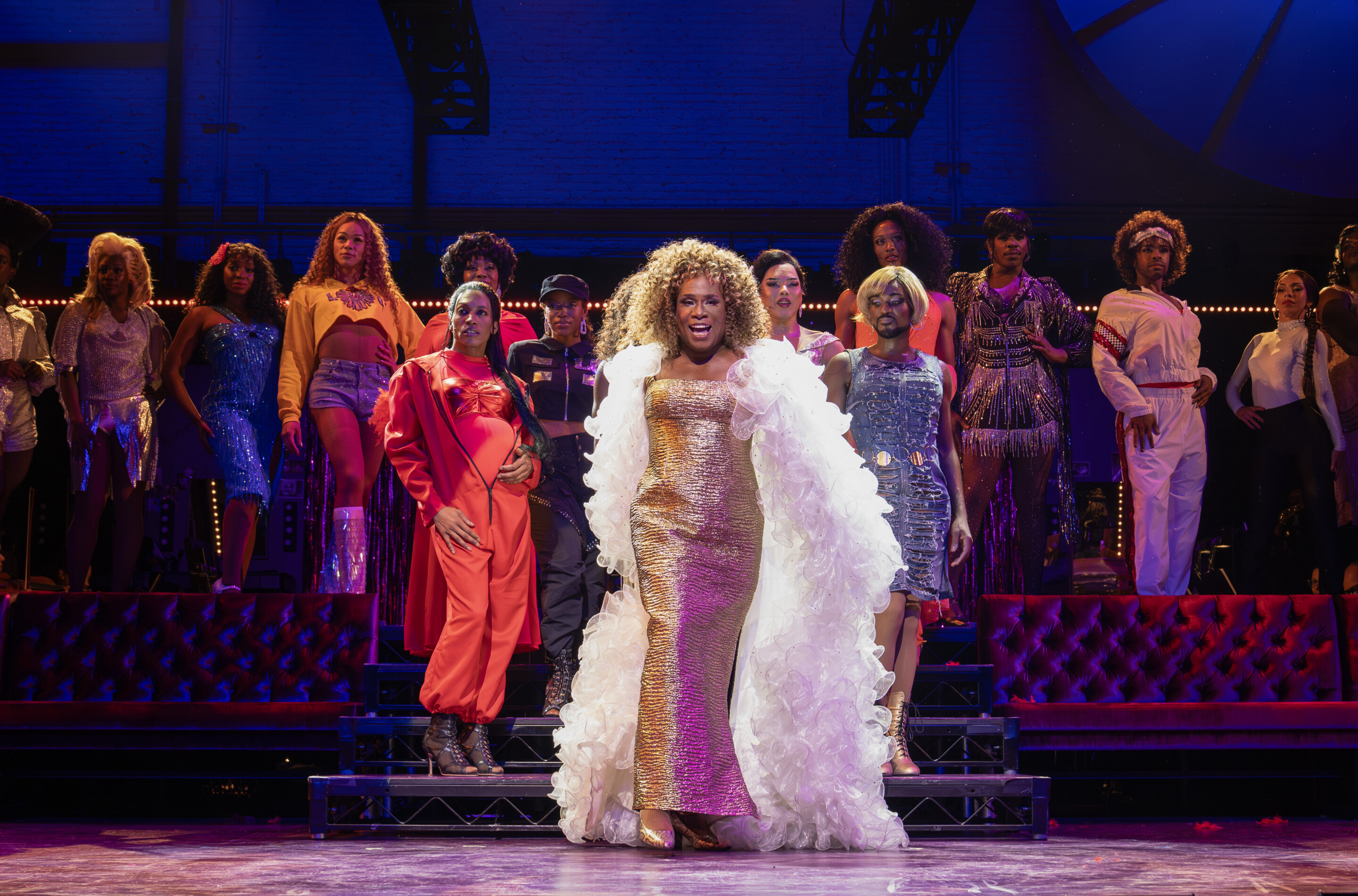
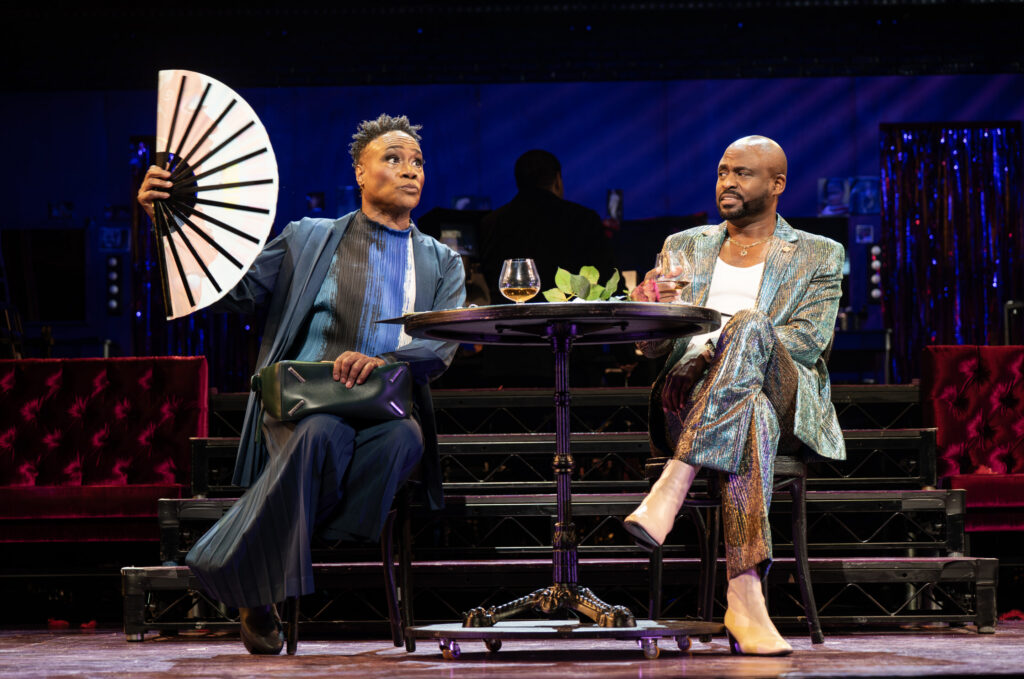
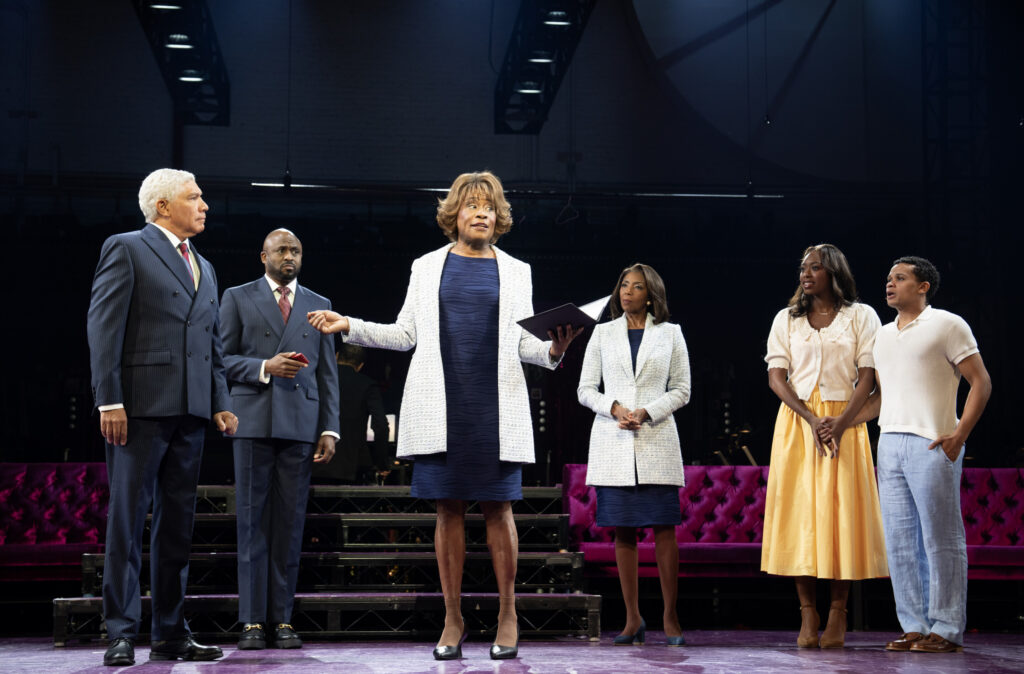
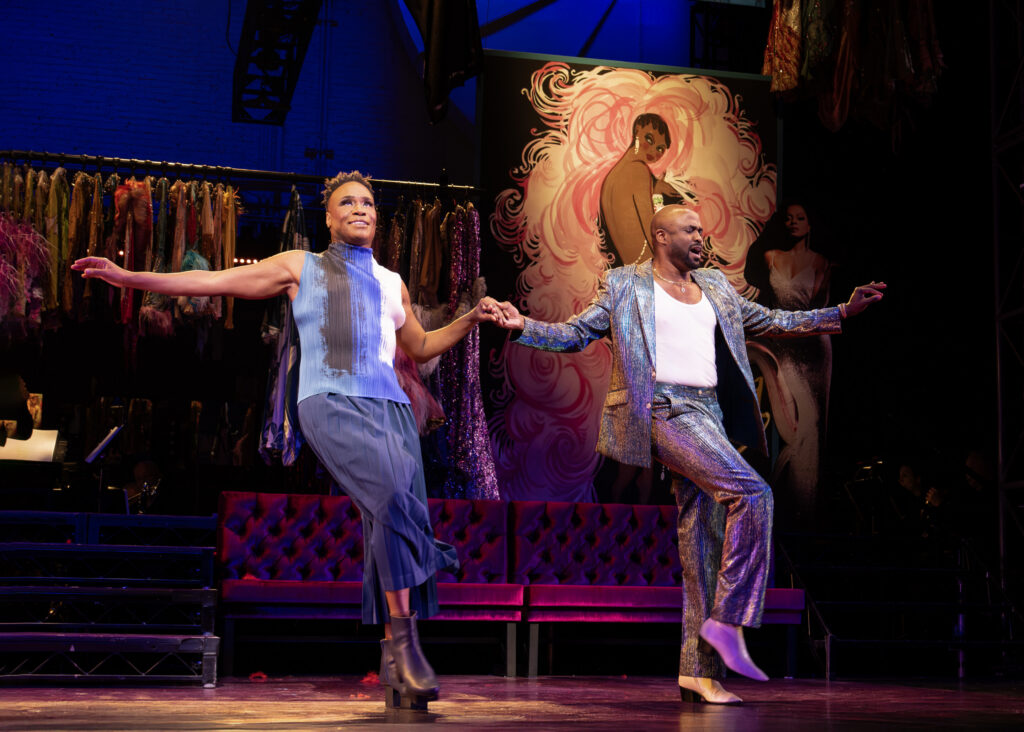
The theatre is buzzing around me as people find their seats. It’s opening night of the latest production in New York City Center’s ‘Encores!’ concert series, La Cage aux Folles. The famed musical comedy is the story of a long-partnered gay couple, Georges and Albin, living in St. Tropez and running a drag club; Georges is the manager, and Albin, as Zaza, is the star. Their straight son arrives, telling them not only is he getting married, but the bride-to-be is the daughter of a conservative politician, and the girl’s parents are coming to stay. To help their son, the couple tries to “play it straight,” and chaos ensues. Featuring an all-Black cast, Wayne Brady takes on the role of Georges to Billy Porter’s Albin.
After it opened in 1973, the play La Cage aux Folles, written by Jean Poiret, became a success in France, followed by an equally successful film. A decade later, in 1983, the play was made into a Broadway musical, with music and lyrics by Jerry Herman and book by Harvey Fierstein. It instantly became a modern classic, winning six Tony Awards. The show has since experienced a host of successful revivals and reimaginings, the most recent of which is now part of Encores!, on until June 28. The concert production, which had its opening night on June 17, rehearsed for less than two weeks before taking to the stage.
Getting to La Cage was a long journey for Billy Porter, who stepped back from performing last year when he was diagnosed with sepsis, which became life-threatening and eventually placed him in a medically-induced coma for three days. He emerged with an at-times overwhelming gratitude to perform, he says, that also gave him a revised perspective on Albin. The character’s song “A Little More Mascara” was particularly moving: when the darkness arrives, and one’s sense of self is failing, it’s time to lean into performance–“whenever I feel that my place in the world is beginning to crash,” Albin sings, “I apply one great stroke of mascara to my rather limp upper lash.” And so Porter did.
V spoke to Billy Porter about joy as a choice, being a clown, and creating freedom for others in your work.
V: When was the first time you saw or listened to La Cage aux Folles?
Billy Porter: I was young; I was in my late teens, I believe, and they did a production in Pittsburgh at the Pittsburgh Playhouse. I don’t remember who was in it, but I went to see it, and I fell in love with the show, and the message, and the music. It was early. It was a story about queer people and unapologetic gay people, and there was a gay couple in it that had been together for 20 years, and it is a story about queer love and queer joy, and I knew I was too young to play the part. I also knew, I guess, I was probably too Black to play the part, but I’m grateful that I’ve lived long enough to see the day where the expansion of who gets to tell these human stories has evolved. I’ve been around long enough, and change does happen. I was transformed by the show with white guys, so I’m certain that it would have been another level if it was Black people, which is what we get to do now. I’m grateful to be able to step into the classics, and it’s time for the classics to be told by everybody. I’m grateful to be living now, to be a part of a new generation of storytelling this way.
V: How do you experience the role of Albin now?
BP: When I saw it the first time, while I could relate, I was a teenager. I’ve never had any problem getting older, but I’d also never been confronted with physically aging. I bring all of that to the role, recovering from my illness. My first song, I pull up my dress and I show my scar. The first thing the character says when he sings is, “Once again, I’m a little depressed by the tired old face that I see.” I was sample size, runway, Hollywood-ready for over a decade. Coming out of the hospital, the doctors implored me to eat in ways that I haven’t before. Now I can’t fit none of my clothes. I’m bringing that. It’s exactly what Albin is, it’s exactly what he’s going through in this moment, so it couldn’t be more perfect.
V: What did you want to bring to Albin that you hadn’t seen in the role previously?
BP: First and foremost, I’m a singer, and I have not seen Albin ever performed with a singer. I’ve seen it performed with actors who can sing, that’s different. I’m singing the shit out of this role. Having a conversation with Harvey in pre-production–because we only had 10 days, I started working on my own months ago–he actually said to me, he didn’t consider Albin the singing role. Georges was more of the singing role because Georges had the ballads. I was like, it’s gonna be different. Because it’s based on a farce, what I call the procession of clowns–in respect to the form of clowning, commedia dell’arte–have played Albin, from a Nathan Lane to a Douglas Hodge. I don’t consider myself a clown in that way. Wayne Brady is actually a clown. I’ve always considered myself a great actor who could land all the jokes, and that’s great too for this role. But what I’m discovering is I’m a little bit of a clown, too. Two nights in front of an audience, and I’m like, oh, I have my physical comedy going, I have my jokes, I’m doing it. That’s fun to discover about myself, I just bring my whole self to everything I do, and I am surprised by myself.
V: Harvey Fierstein discusses in his memoir the importance of queer actors in the roles of Albin and Georges. What do you think queer actors bring to these roles that makes them particularly meaningful?
BP: It’s about queer people, and the reality is straight white men do not have to engage in anything but themselves; they never have. Therefore, to step into the shoes of a marginalized group of people falls short. It’s not that the performances aren’t good or solid, but it hits different. I live my life as an out gay Black man in this world. I’m heralded for my authenticity. I’m grateful for that; I love it, and it sucks sometimes. The opportunities are fragile at times. It’s very lonely at times. I came out in the 80s, and it was the AIDS crisis. We were the enemy of the people. I lived through an evolution that got us to being [considered] full-fledged human beings. It was wonderful, and now we’re back to the dark ages again, and it’s horrible. It feels like shit, and this show is so relevant again; it’s great. It’s also a challenge to know that we still need this show, this story, this message, these people. The world still needs to be reminded of the humanity of everybody. Even if you don’t like it, even if you don’t understand it, it doesn’t matter; we are all human, and until human beings treat all human beings with the humanity that we deserve, we’re never going to get out of what we’re in right now. Ain’t nothing going to work, ain’t nothing going to change. As an artist, doing a show like this makes me feel like I’m a part of a solution. I want to be a part of the solution. Kinky Boots was different. We were in the middle of the height of progress, so Kinky Boots was celebratory: Look how far we’ve come, look at who we are, And isn’t it fabulous? Now we’re back to ancient times. It’s hard sometimes. I really am grateful to have an outlet for my trauma.
V: What is it like to go on the stage and perform joy in a show like this, in a time like you said, that does feel so dark?
BP: Joy is a choice, love is a choice, hope is a choice. They’re actions as well. To actively choose joy is eventually where the healing lies, and I’m trying to get healed. I’m trying to stay healed. I feel healed in some ways, and sometimes it’s hard. Even today is hard for me, and I am actively choosing to say, look at what the universe has given me, the gratitude. To choose gratitude also is active, and it allows for me to not descend into madness, to be honest.
V: I know you’ve talked about having gratitude for being able to recover as well. Did that experience affect the way you interacted with this show on an emotional level?
BP: I was in the hospital less than a year ago with sepsis and compartment syndrome, and on life support for three days, and , and when I woke up, I had no idea I would ever be able to do what I’m called to do ever again, and so there’s another layer of gratitude for me right now. It’s very emotional for me. I come off stage after singing “I Am What I Am,” and I am so in it that I have to allow myself to have a breakdown after that song. It takes me all of intermission to pull myself together and go back out and perform joy again. But that’s what we are as artists, that’s what we’re here for. Hopefully when we share our gifts, our light, our struggles, our journeys, our hopes, our dreams, and our freedom. Somebody watching might also be able to find a way to be free themselves. That is always my motivation and my goal in my work.
Today I’m just trying to stay grounded and present. I had a massage, which was lovely. It’s the first body work massage I’ve had since I’ve been out of the hospital last September because my body wasn’t able to take it until now, so that has cracked me open today, and I’m excited. My boyfriend is in town, we’re gonna have some lunch, we’re gonna be human beings. Then I’m gonna go off to work and do it all over again, and hopefully set somebody else free today.
Discover More