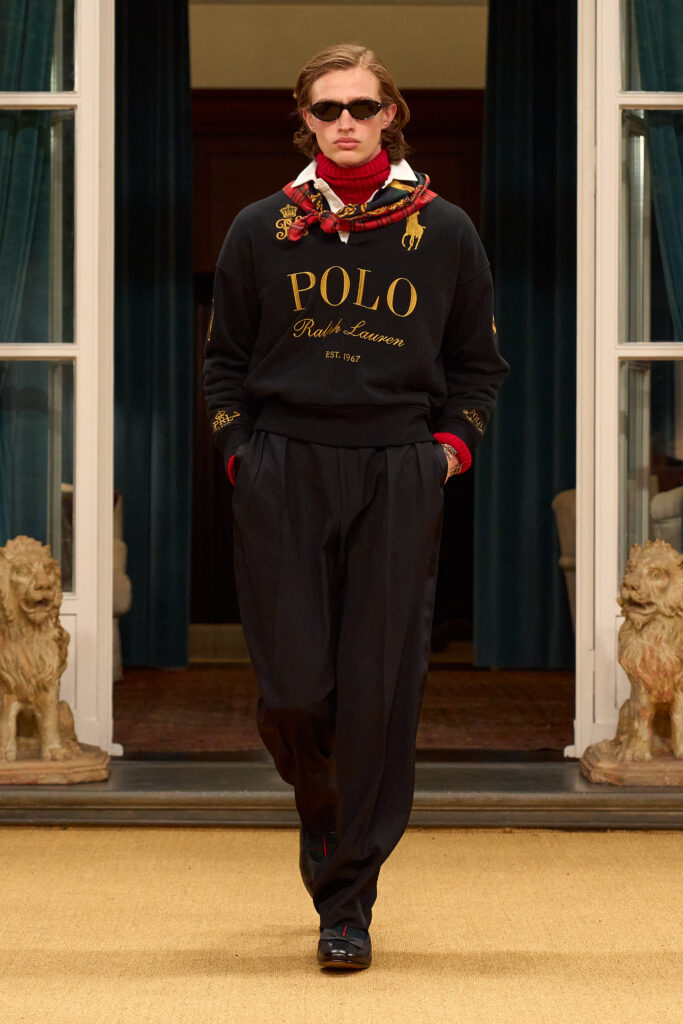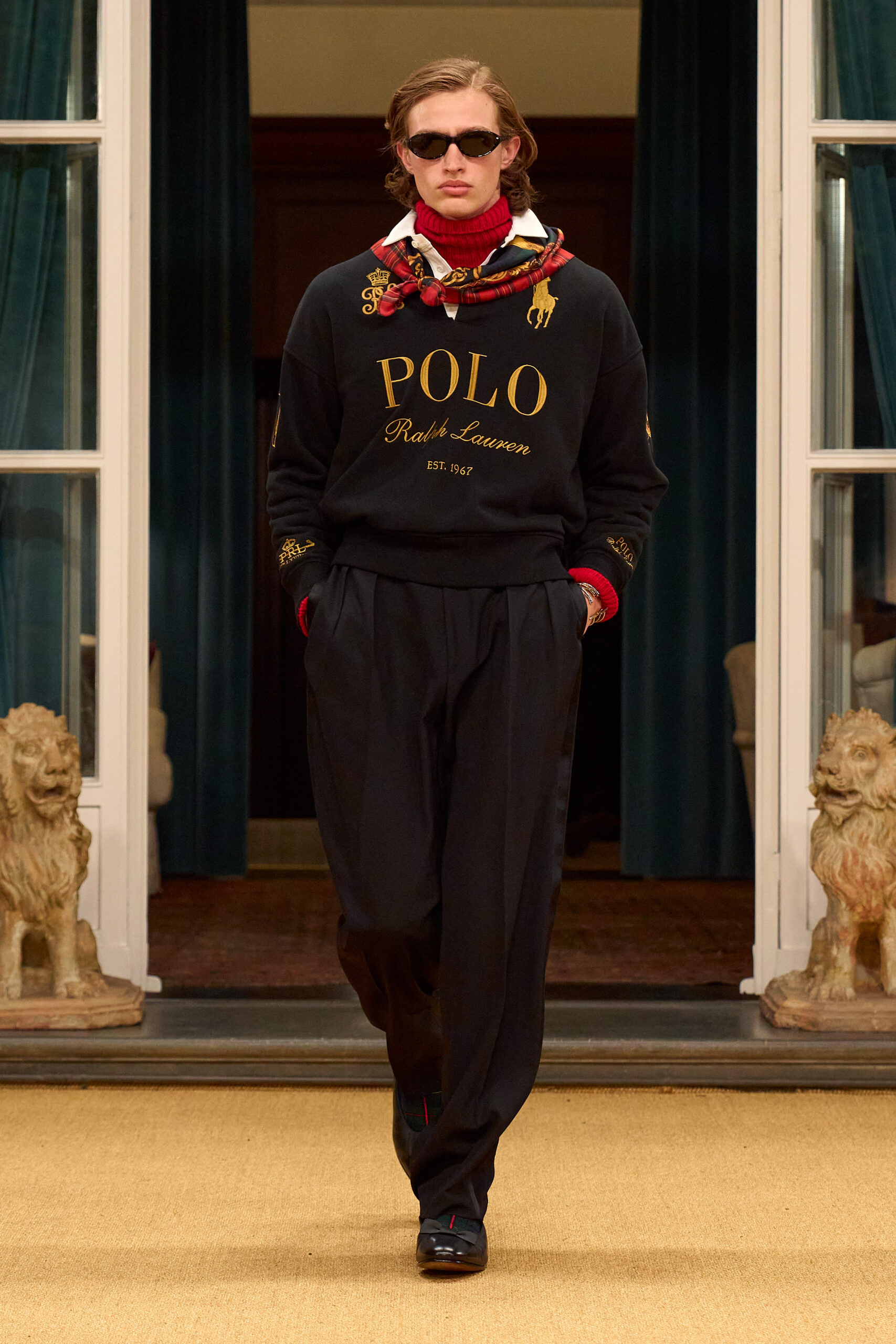
Ralph Lauren returned to the Milan runways for the first time in two decades with his Men’s Fall 2026 collection, staged in an intimate salon at Palazzo Ralph Lauren. The presentation unfolded through continuity, underscoring a longstanding belief that identity, rather than novelty, remains the most durable form of visual language.
Presenting Polo Ralph Lauren and Purple Label together highlights how the two lines approach the same idea of American style differently. Polo focuses on adaptability and everyday wear, translating heritage into relaxed silhouettes and functional pieces. Purple Label, by contrast, is more exacting, emphasizing tailoring, precision, and formal control. While the clothes differ in construction and use, both lines prioritize timelessness.

Courtesy of Ralph Lauren Purple Label
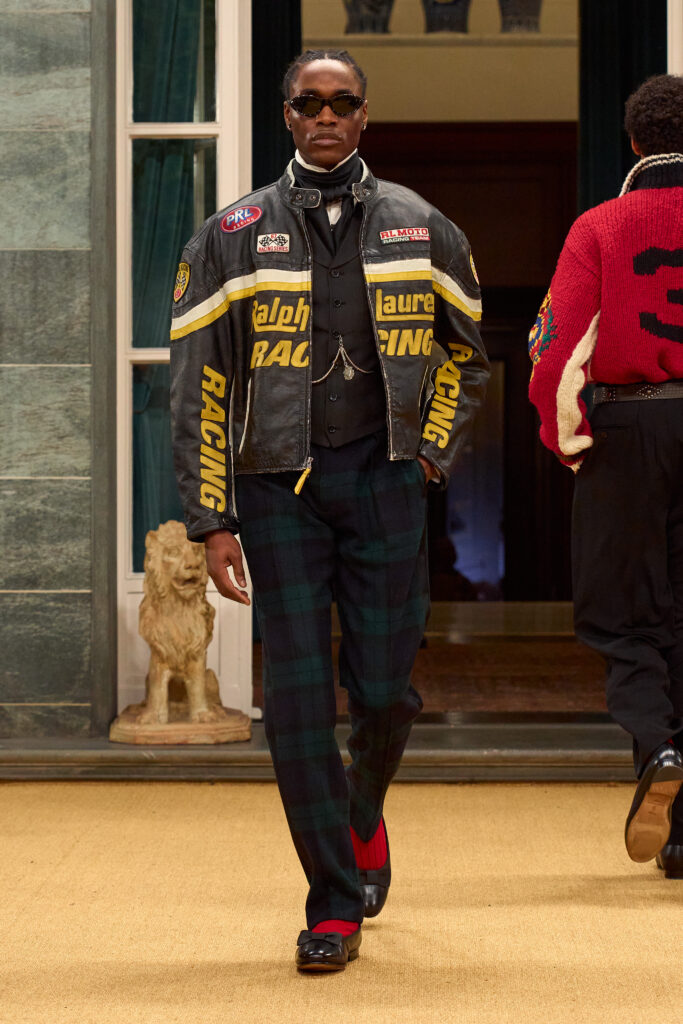
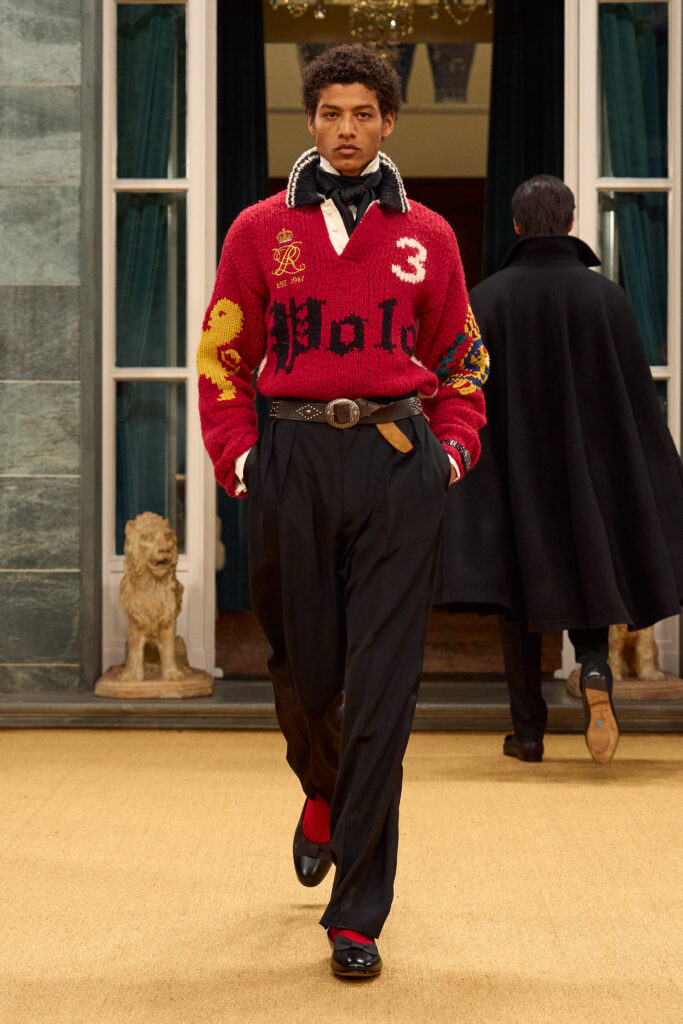
In this sense, Polo Ralph Lauren opens the narrative by revisiting familiar codes. Polo Ralph Lauren Fall 2026 is built around workwear, heritage tailoring, and classic preppy pieces. The collection includes quilted outerwear, brushed wool knitwear, utility jackets, relaxed tailoring, and practical accessories. Colors stay within a muted, rugged palette, emphasizing texture rather than strong contrast. Silhouettes are looser than traditional tailoring but still structured, maintaining their sense of formality. Overall, the collection focuses on wearable, functional pieces designed for everyday use.
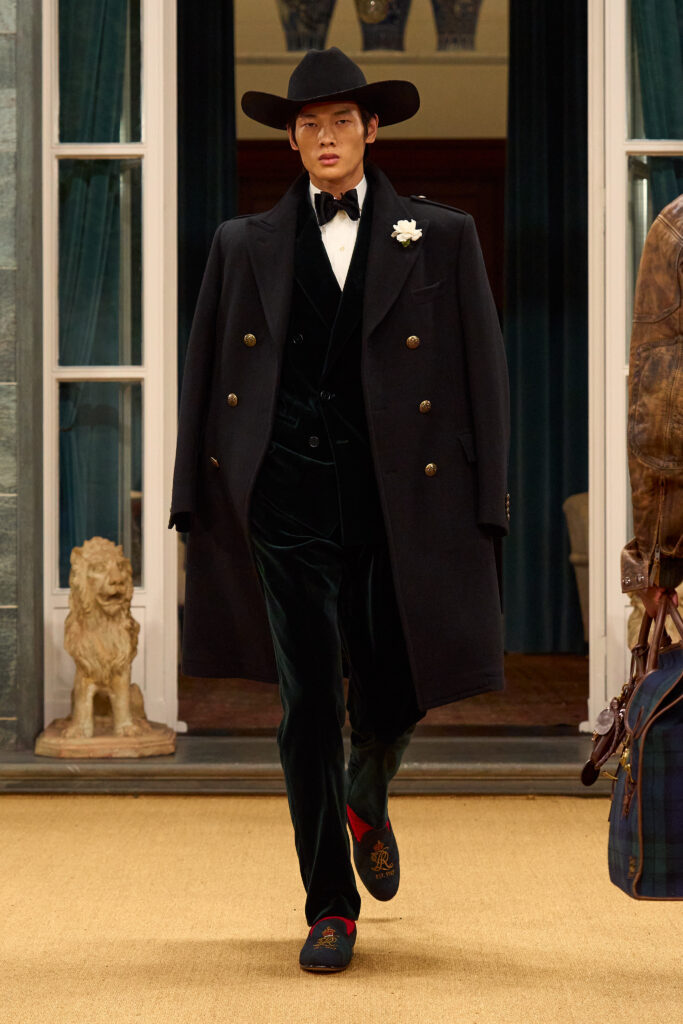
Purple Label sharpens this language further by stripping it down. Here, American menswear icons are refined through material precision and proportion. Cashmere sport coats, double-faced finishes, and sculpted outerwear emphasize control over expression. Nothing feels excessive or illustrative. Even eveningwear resists spectacle, relying instead on cut, balance, and surface. Luxury is articulated through calibration, reinforcing Purple Label’s position as a space where form and function remain inseparable.

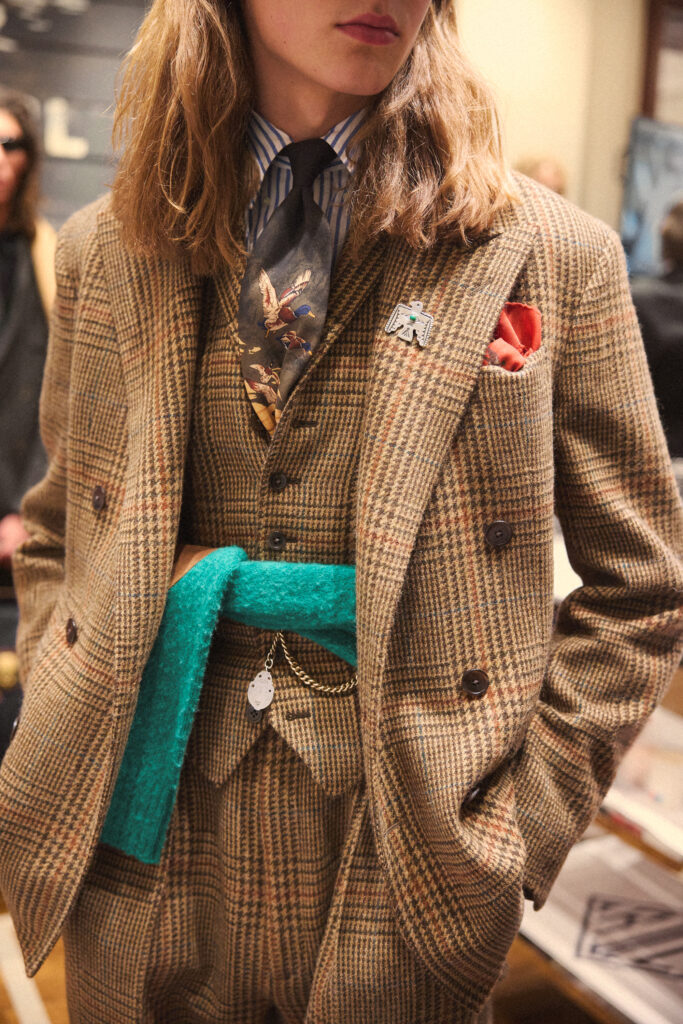
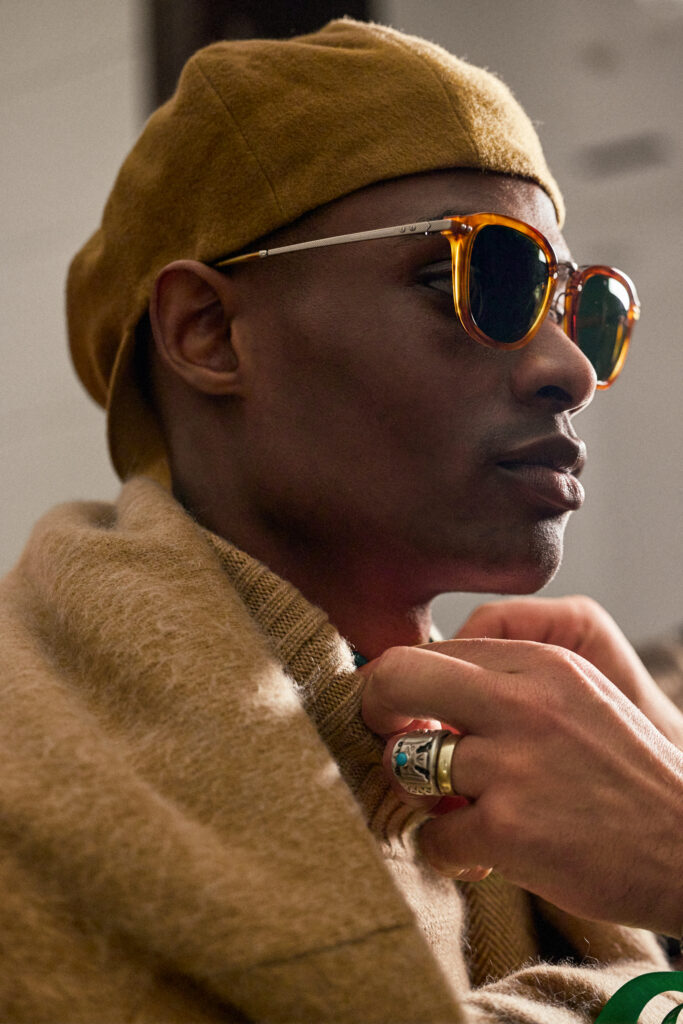
Courtesy of Ralph Lauren Purple Label
This logic extends to Polo’s collaborative gestures. The inclusion of work created with Oceti Sakowin designers Jocy and Trae Little Sky through the Artist in Residence program introduces a form of authorship. These pieces highlight that heritage gains meaning through specificity, and that sustained collaboration becomes part of a brand’s visual language rather than a disruption to it.
Across both collections, craft appears as a constant. The continued collaboration with Chiricahua Apache Nation artisan Neil Zarama, whose handmade belt buckles and turquoise-accented silver jewelry recur throughout the presentation, reinforces this approach. These elements align artisanal practice with the broader idea that identity, once established, must be maintained, while allowing for evolution without taking away its essence.
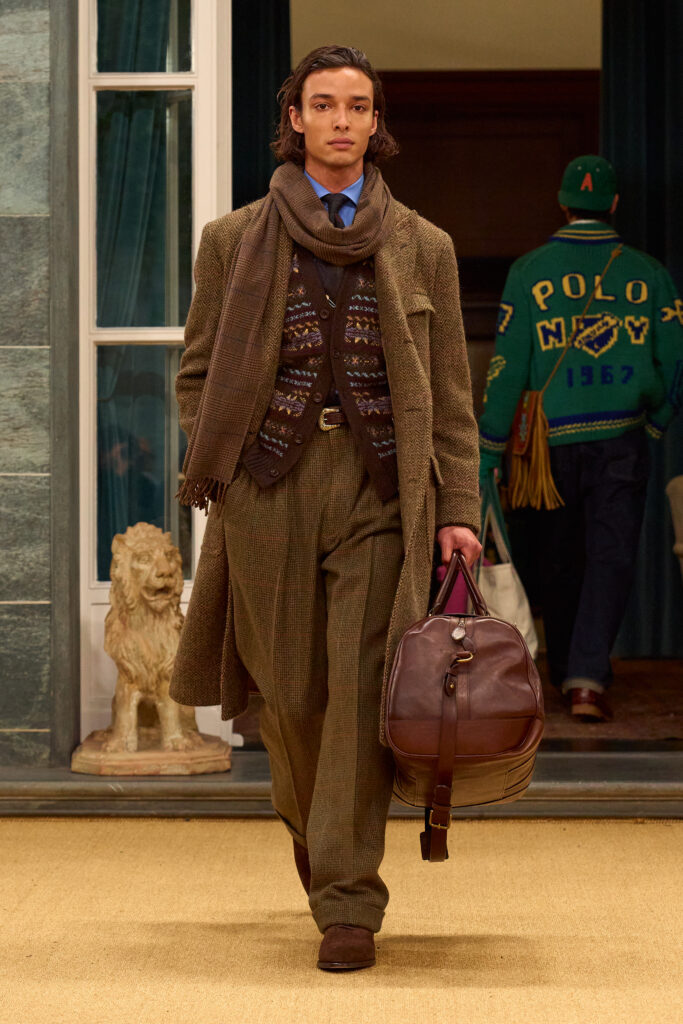

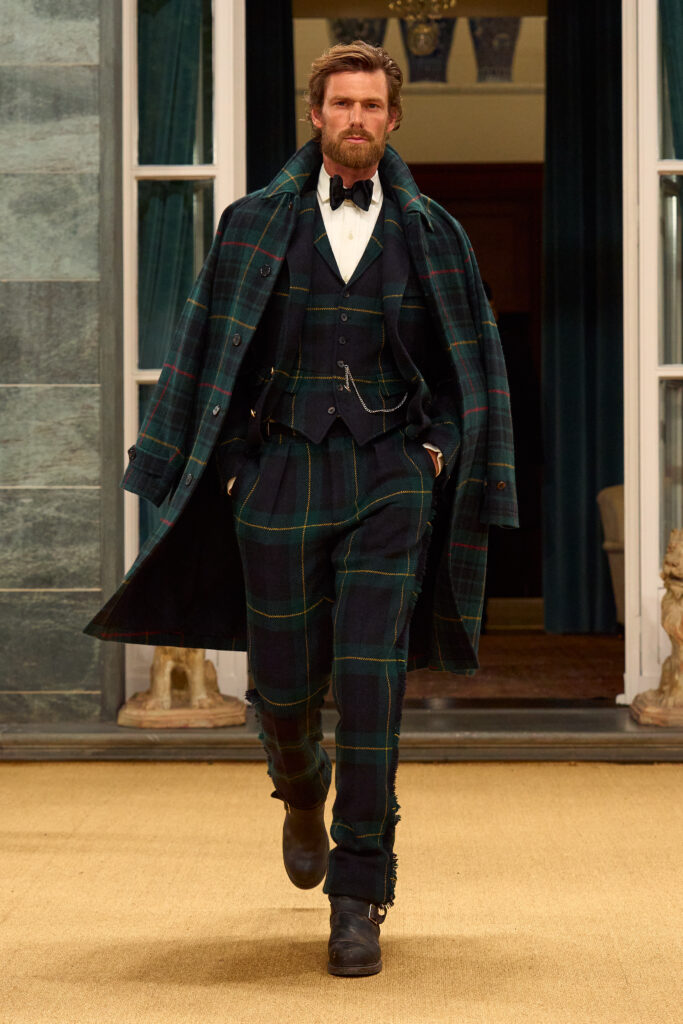


Courtesy of Ralph Lauren Purple Label
Discover More