Sundance Film Festival—now in its 40th year and taking its final bow in Park City, Utah—felt sentimental and slightly delirious in the way only Sundance can. The end of an era for Main Street, snow boots, shuttle buses, and a quiet tribute to founder Robert Redford, who passed last year. This year delivered a run of small, strange treats, and I happily chose my adventure: a trio of Charli XCX films, a welcome return to Sundance’s unrulier beginnings (a new Gregg Araki film is still reason enough to panic, in the best way), and an alt-rock treasure chest of documentaries orbiting the holy trinity of ’90s female iconoclasts—Courtney Love, Kim Gordon, and Kathleen Hanna.
THE MOMENT
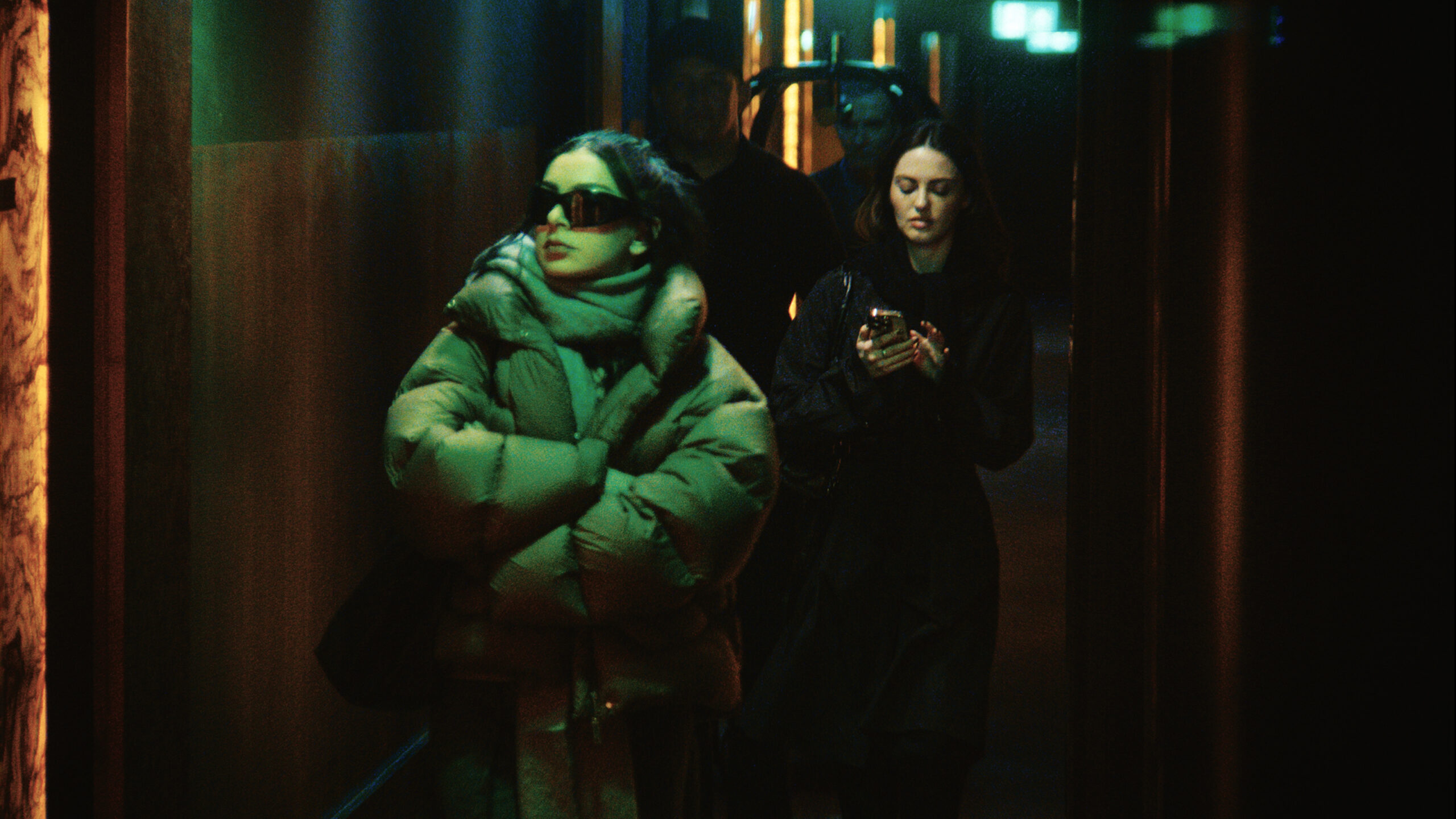
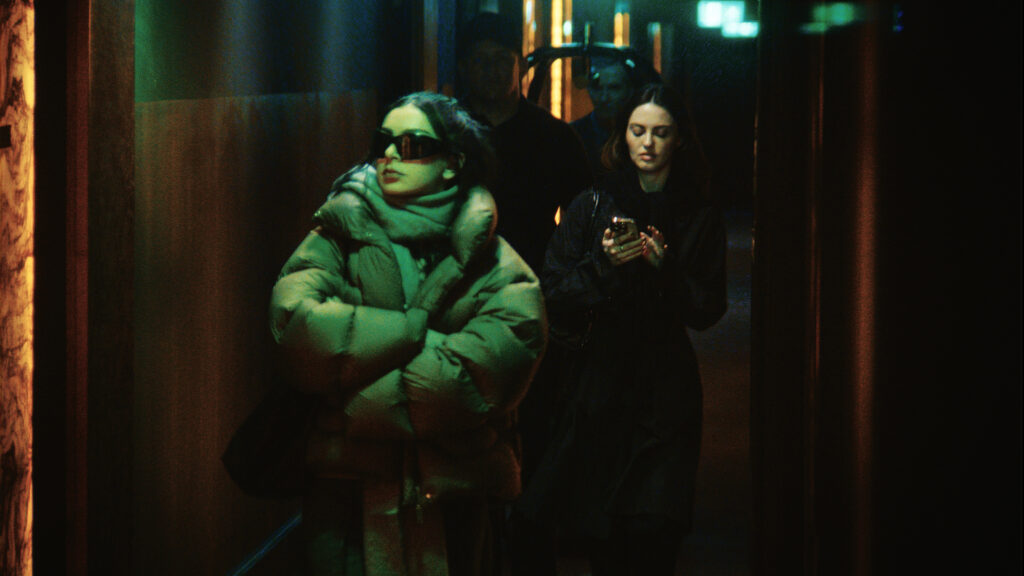
In The Moment, Charli XCX turns the camera on herself in a mockumentary directed by her close collaborator Aidan Zamiri, building an alternate reality that feels only inches away from the truth behind the Brat phenomenon. The album’s release in summer 2024 turned Charli from a beloved cult figure into something much louder and harder to ignore—suddenly the season, the color palette, and the attitude of the summer all seemed to orbit her. The film plays as both self-satire and industry side-eye, imagining the machinery around her rise with the energy of a darker, more self-aware cousin to Spice World and Josie and the Pussycats. Things kick off when a hack director, played by Alexander Skarsgård, is hired to sand down the rough edges of Charli’s concert film into something more “palatable,” immediately sanitizing what made her compelling in the first place. With cameos from Kylie Jenner to Mel Ottenberg and Tish Weinstock, it becomes hard to tell where the lines of reality and fiction blend, and I think that’s actually the point of it. Shot with restless, kinetic energy, we spend much of the film in the back seat of Charli’s SUV as events spiral. What emerges is a version of her that fans may not expect: quieter, frustrated, and painfully aware that the entire spectacle has started to feel a little cringe. As the pacing grows more chaotic and self-referential, The Moment starts to feel like a cinematic remix of fame itself—a stylized reflection of expectation, performance, and creative control.
I WANT YOUR SEX
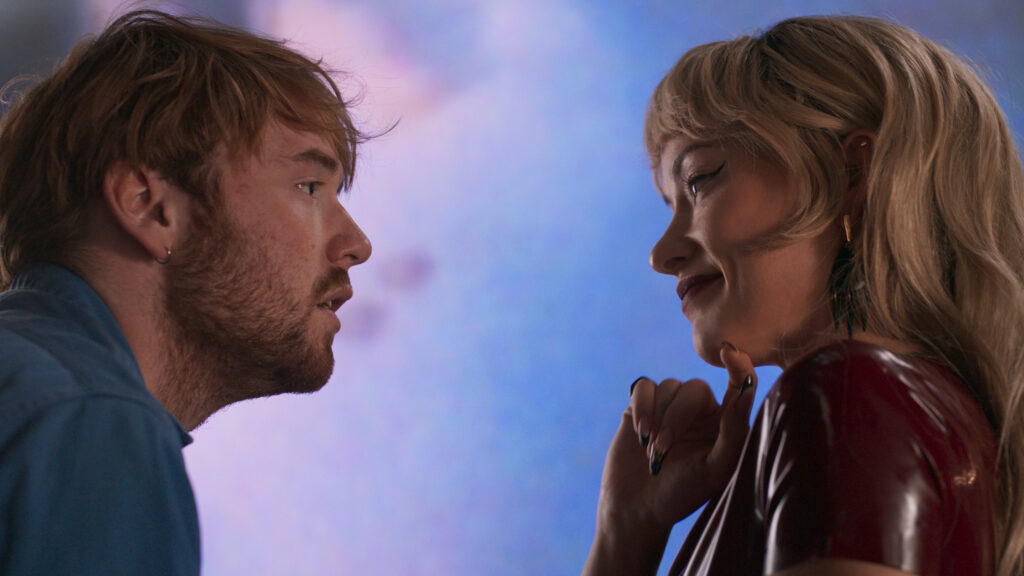
Sundance’s prodigal son Gregg Araki returns with I Want Your Sex, a sex-positive dom-sub comedy that channels the hyper-stylized energy of his 1990s work while gleefully poking at Gen Z’s often-discussed prudishness. Olivia Wilde (who delivers a career-best performance) plays an erotic artist whose workplace dynamic with her assistant (Cooper Hoffman) awakens desires missing from his relationship with Charli’s character. Hoffman’s roommate, played by Chase Sui Wonders, watches—and occasionally joins—the unraveling. The only character matching Hoffman’s sexual adventurousness is his art-studio colleague, Mason Gooding, whose uninhibited attitude channels Araki’s classic archetypes. The film is drenched in neon, chaos, and the kind of gleeful sexual frankness Araki has always treated as normal human behavior. Co-written with Karley Sciortino, the script pulses with mischief and vitality, proving Araki’s Gen X instincts still feel wildly current.
THE GALLERIST
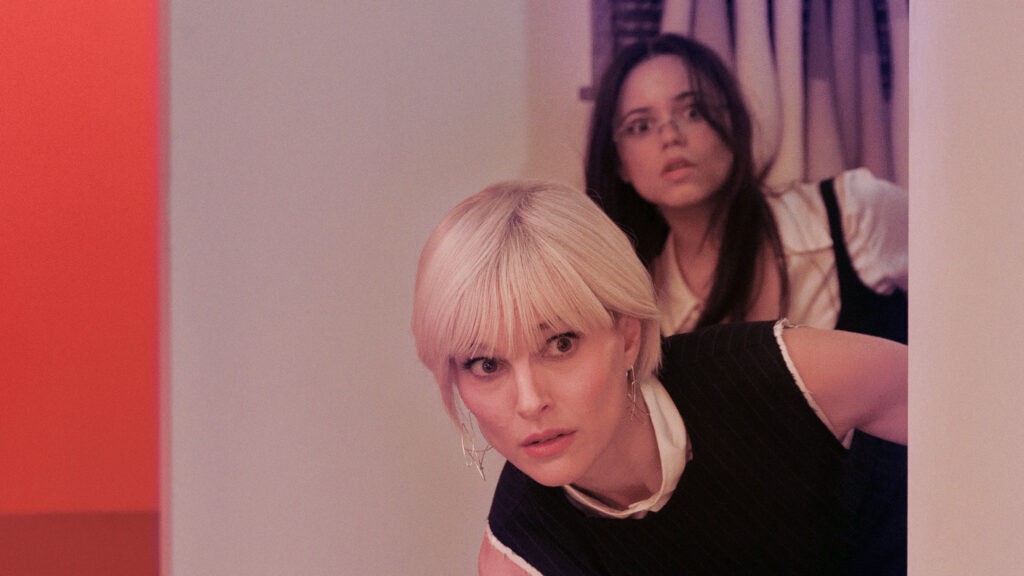
The Gallerist stars Natalie Portman as Polina Polinski, a Miami gallery owner freshly divorced and desperate to turn a young artist’s show into an Art Basel moment. What begins as art-world satire takes a sharp turn when an influencer (Zach Galifianakis) accidentally impales himself on an oversized sculpture critiquing fragile masculinity. In this world, a dead body becomes high art. It’s not breaking new intellectual ground, but it’s having far too much fun to care. Portman is joined by a game ensemble: Jenna Ortega as her frazzled assistant, Catherine Zeta-Jones as a connected dealer, Da’Vine Joy Randolph as the horrified artist, and Charli XCX as the influencer’s girlfriend who immediately sees through the scheme. Everyone commits fully to the absurdity, which makes it a wildly entertaining watch.
CHASING SUMMER
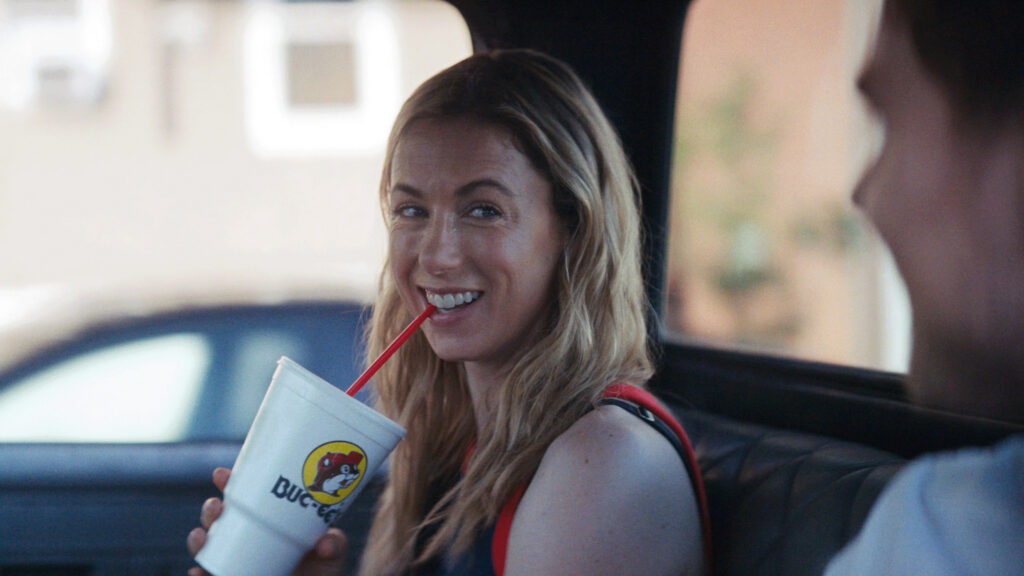
Chasing Summer, directed by Josephine Decker and co-written by and starring standup comedian Iliza Schlesinger, follows a disaster relief worker forced to retreat to her Texas hometown after her relationship implodes. Back home, she’s surrounded by the entire habitat of people who never emotionally left high school: an overbearing mother (Megan Mullally), a sister ruling the local roller rink, a high school ex who broke her heart, and the mean girls in the hallways she thought she escaped. Lola Tung and Garrett Wareing round out a story that uses hazy summer visuals and roller-rink neon to explore the strange tenderness of an examined arrested adolescence.
LEVITICIUS
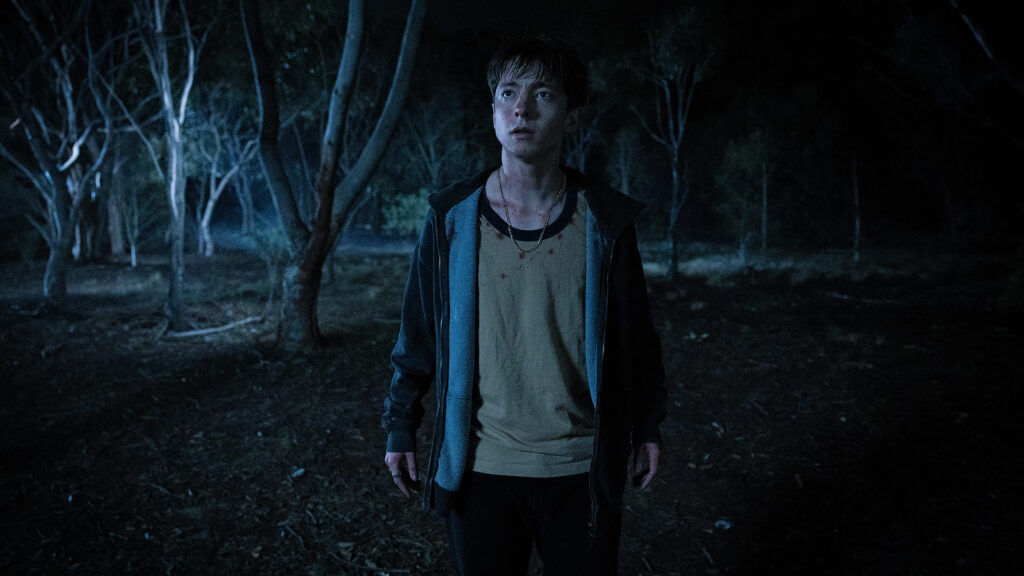
Adrian Chiarella’s debut, Leviticus, is queer body horror made for Sundance midnight. Set in a small Australian town, it follows Naim (Joe Bird) and Ryan (Stacy Clausen), whose secret romance turns terrifying after a preacher calls in a conversion exorcist. The horror quickly becomes real as their desires manifest physically. Mia Wasikowska appears as Naim’s quietly devout mother, adding tension to every frame. The film takes the rules of the genre and happily messes them up, blending dread, romance, and camp into something unforgettable.
BIG GIRLS DON’T CRY
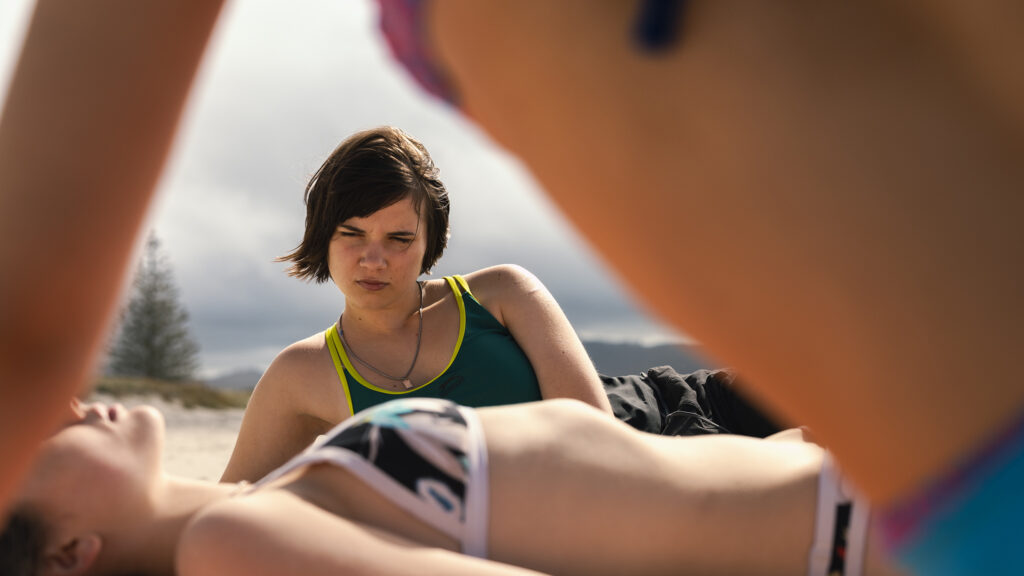
Big Girls Don’t Cry, set during a New Zealand summer in the early 2000s, moves at the speed of a season where nothing is happening but everything is changing. Fourteen-year-old Syd (Ani Palmer) begins to understand her sexuality when her older sister hosts an American exchange student (Rain Spencer). Their tentative interactions become the emotional undercurrent of a film rooted in iMSN Messenger era, adding a soft nostalgia and analog rhythm to heighten the intimacy of Syd’s experience, where every glance lingers and every small moment feels magnified.
THE BEST SUMMER
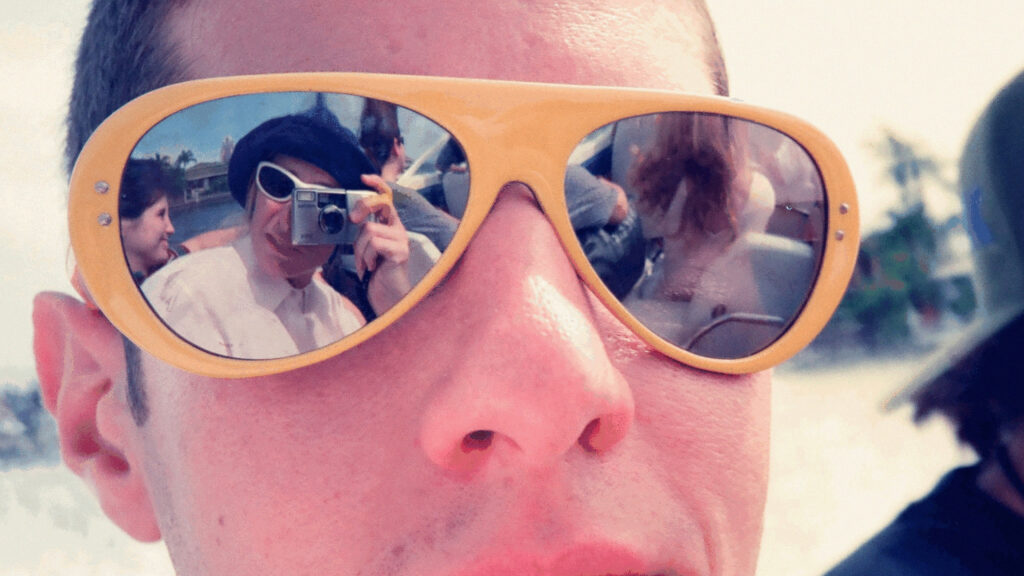
Tamra Davis’s The Best Summer feels like opening a dusty box and finding a tape you don’t remember recording. Built from Hi8 footage shot in 1995-96 during the Summersault tour, it drops us into a golden pocket of alternative music history: Beastie Boys, Sonic Youth, Beck, Foo Fighters, Pavement, Bikini Kill, The Amps, and Rancid. Kathleen Hanna becomes the unofficial guide, camcorder in hand, asking deceptively simple questions that now feel like priceless time capsules. The Best Summer feels both magical in its sheer existence and richer today in hindsight and mythology.
BROKEN ENGLISH
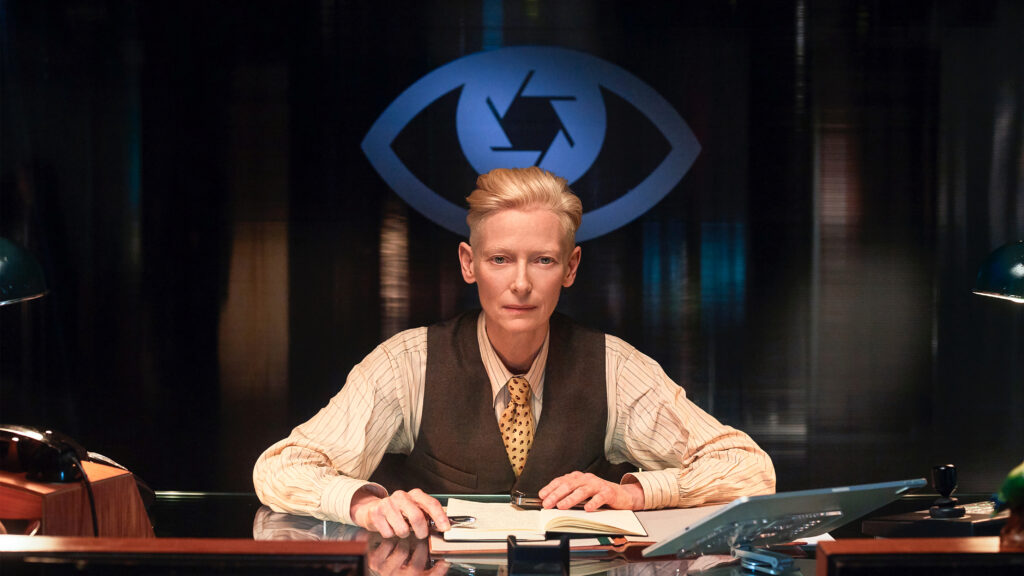
Broken English by Jane Pollard and Iain Forsyth ignores the rules of the biopic entirely. Framed through a fictional “Department of Not Forgetting” led by Tilda Swinton, Marianne Faithfull reacts to fragments of her own past presented by George MacKay. Performances of her songs by Courtney Love, Suki Waterhouse, and Beth Orton thread through the narrative, along with her final on-screen performance with Nick Cave and Warren Ellis. The film’s audacious vision illuminates Faithfull, painting a portrait of a woman who was at once ahead and misunderstood in her time, yet inseparable from the swinging ’60s that shaped her.
ANTIHEROINE
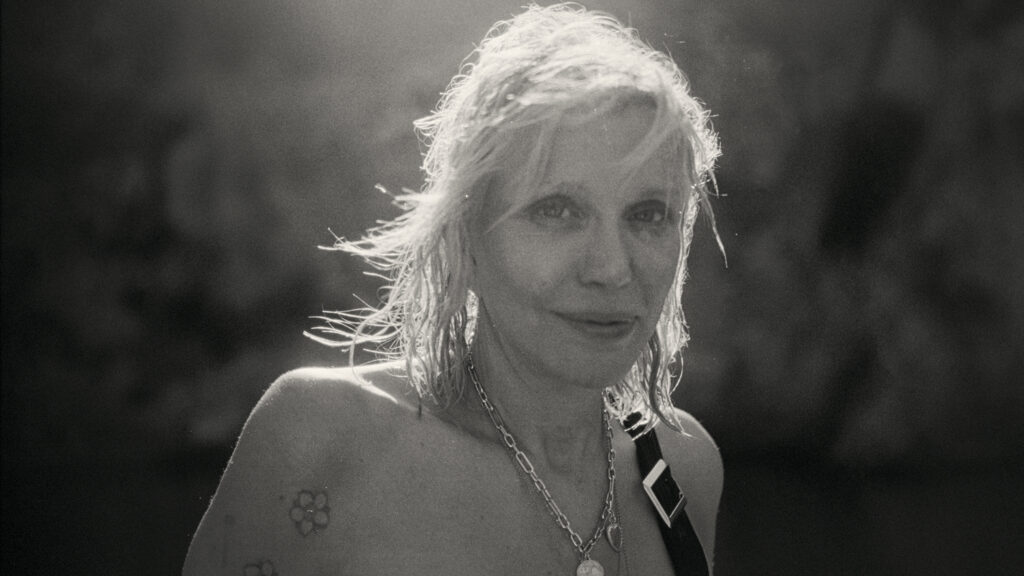
Finally, Antiheroine offers rare access to Courtney Love, directed by Edward Lovelace and James Hall. Love narrates her life on her terms. She reflects on childhood chaos, Liverpool punk days, Jumbo’s Clown Room, her bid at mainstream chart success with Celebrity Skin, and her Hollywood makeover turn in Miloš Forman’s The People vs. Larry Flynt and Man on the Moon. The mythology is there, but it’s gently reframed through Love’s present-day clarity. Now living in London as a practicing Buddhist and recording new music, she appears reflective yet still defiant. Appearances from Michael Stipe and former Hole bandmates act as witnesses, not narrators—this is unmistakably Love’s story to tell. The film acknowledges Kurt Cobain’s shadow but refuses to let it define her. What you’re left with isn’t a complete portrait, but the sense you’ve caught Love mid-sentence rather than at the end of a chapter. She’s still working, still evolving, still aiming for something bigger. And as the record slowly takes shape in that London studio, one thought lingers long after the credits roll: when is the album coming because in her words, “the world may now be ready to welcome her back to the party.”
Discover More