Taro Masushio Explores Memory and Archive in “Goldfish”
The Japanese artist and writer presents his second solo exhibition at Ulrik
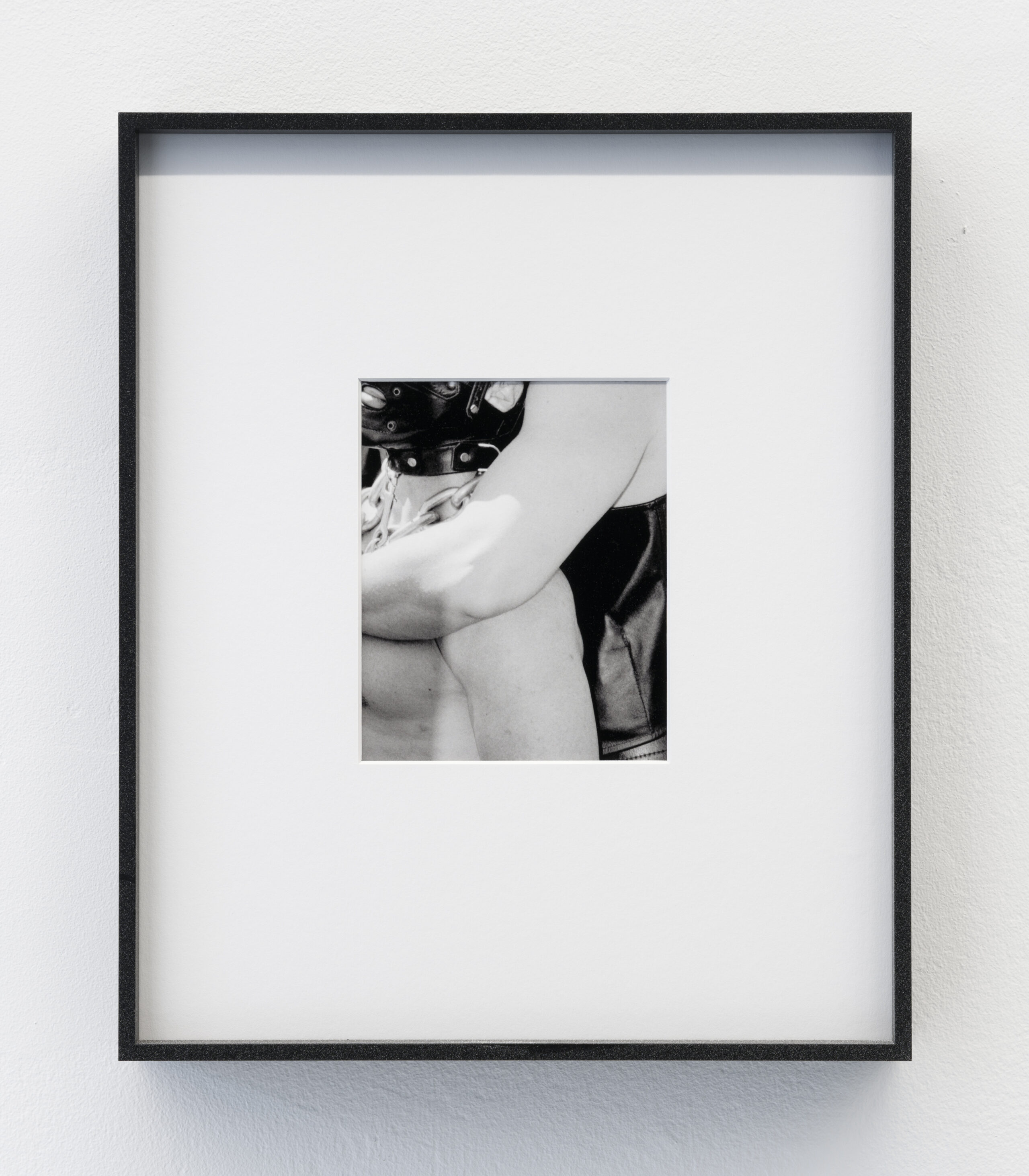
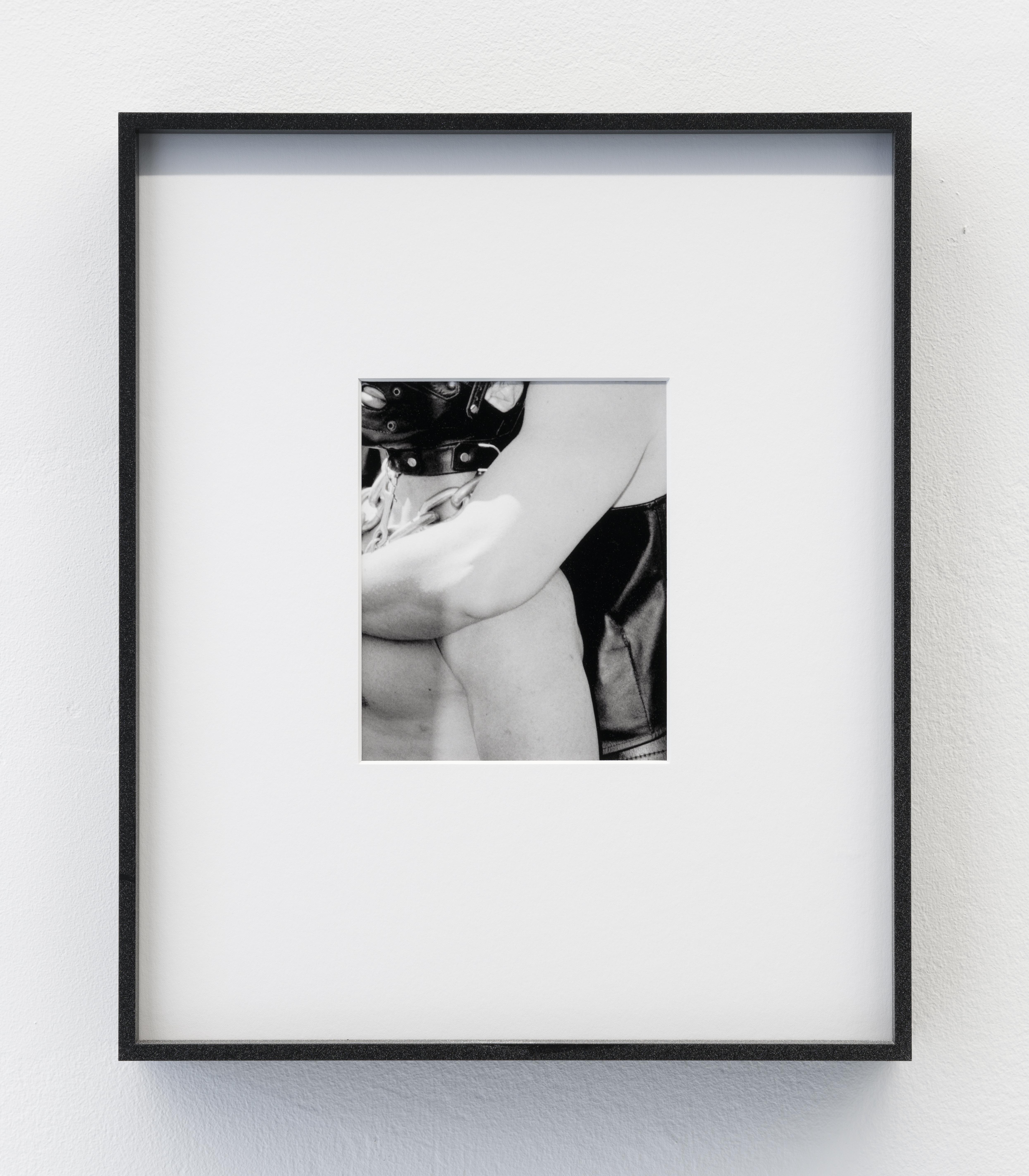
Amongst the abundance of Lower East Side art, a several-flight walk-up gallery known as Urlik holds white walls, charm, and the work of artist Taro Masushio. The Japanese-born, New York–based artist presented his second solo exhibition, Goldfish, in addition to selected works in MoMA PS1’s Greater New York exhibition. Masushio uses silver gelatin prints to challenge the conventions of remembrance and autobiographical narrative. Instinctual matter is at play, investigating the carnality of flesh and spirit.
Masushio took the photo series, Untitled (Youth), during a time of Californian enchantment. The images were shot using an analog camera and formalist photographic techniques. He later found the negatives in his personal archive and allowed his cheeks to rouge with the nostalgia of past entanglements. Each photograph acts as punctuation, dictating how his memories exist both in the mind and in the physical world.
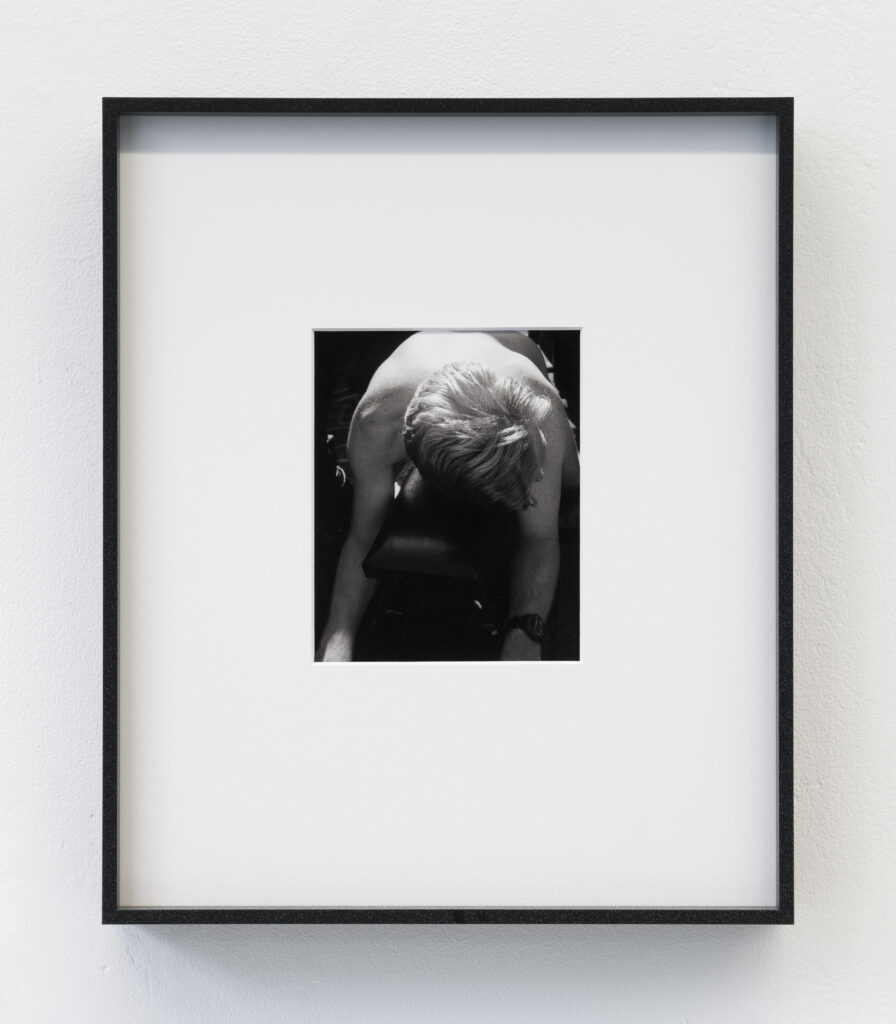
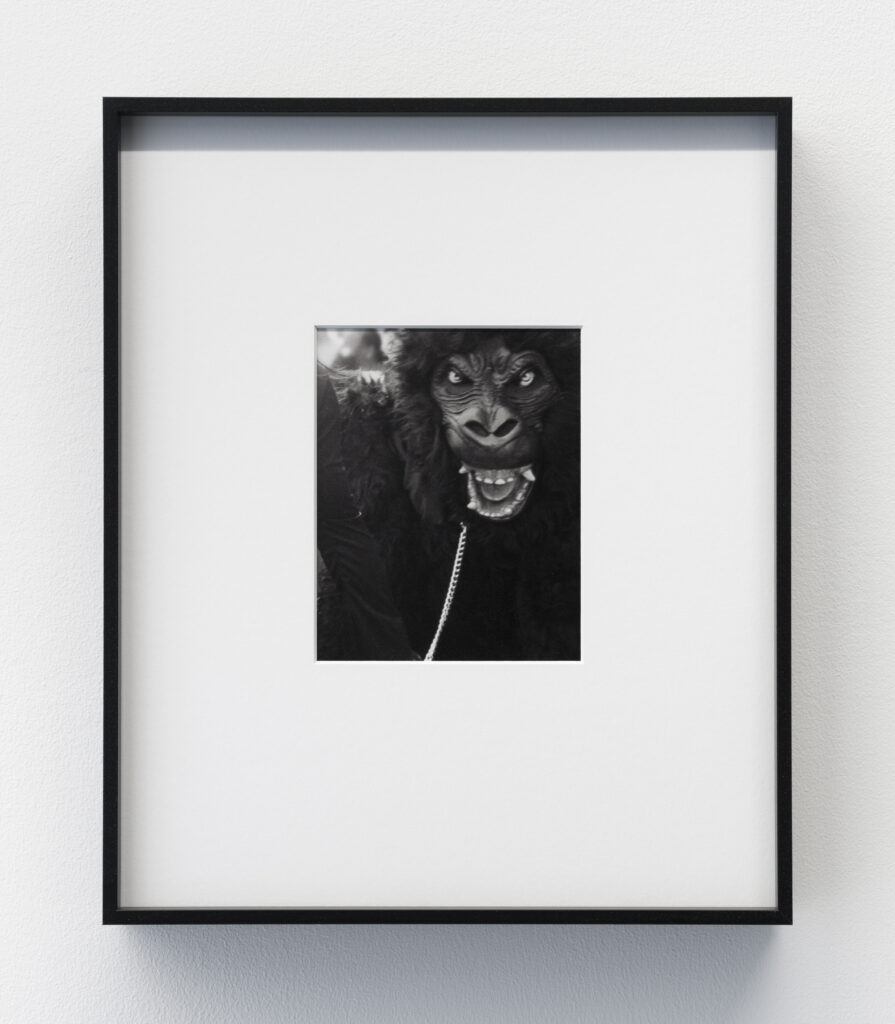
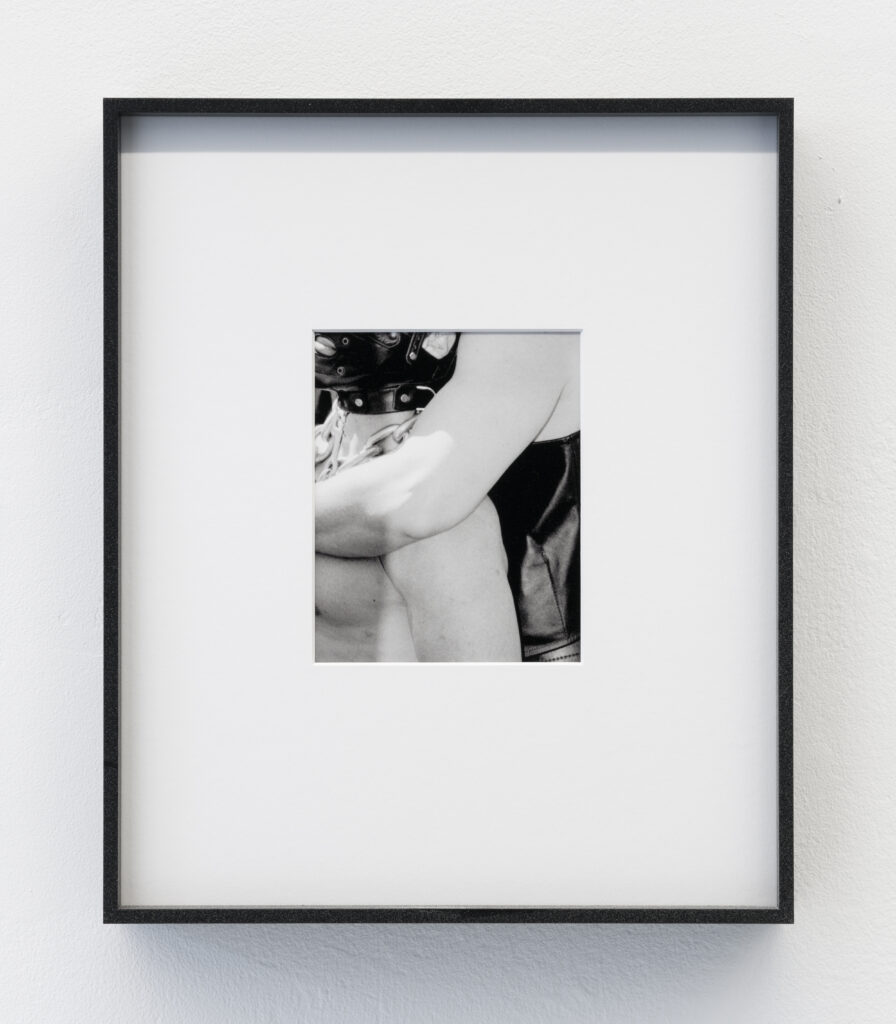
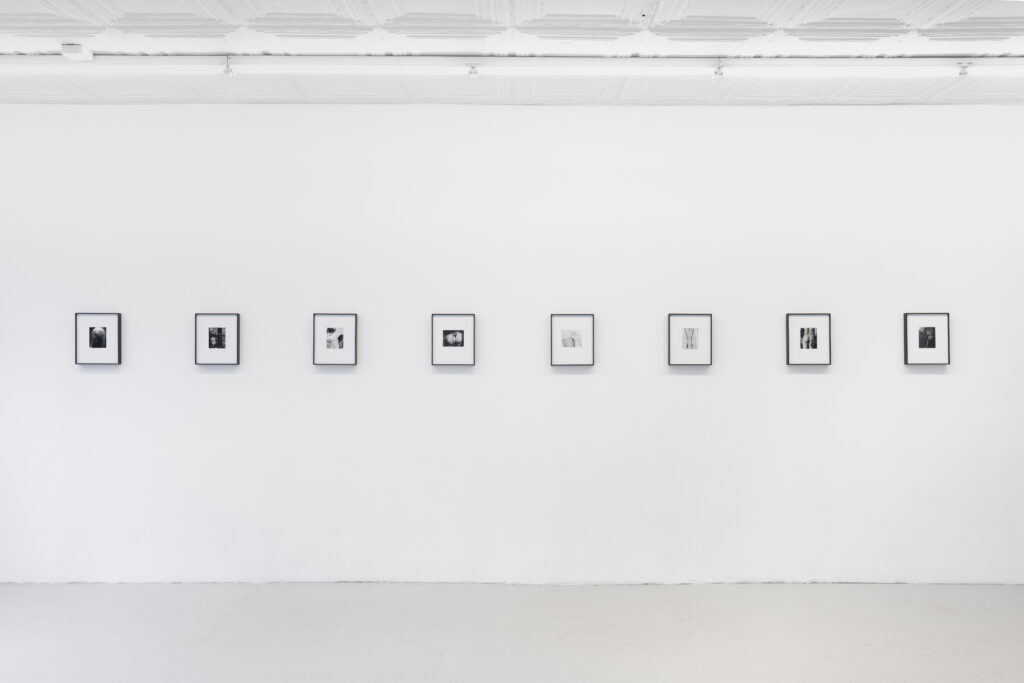
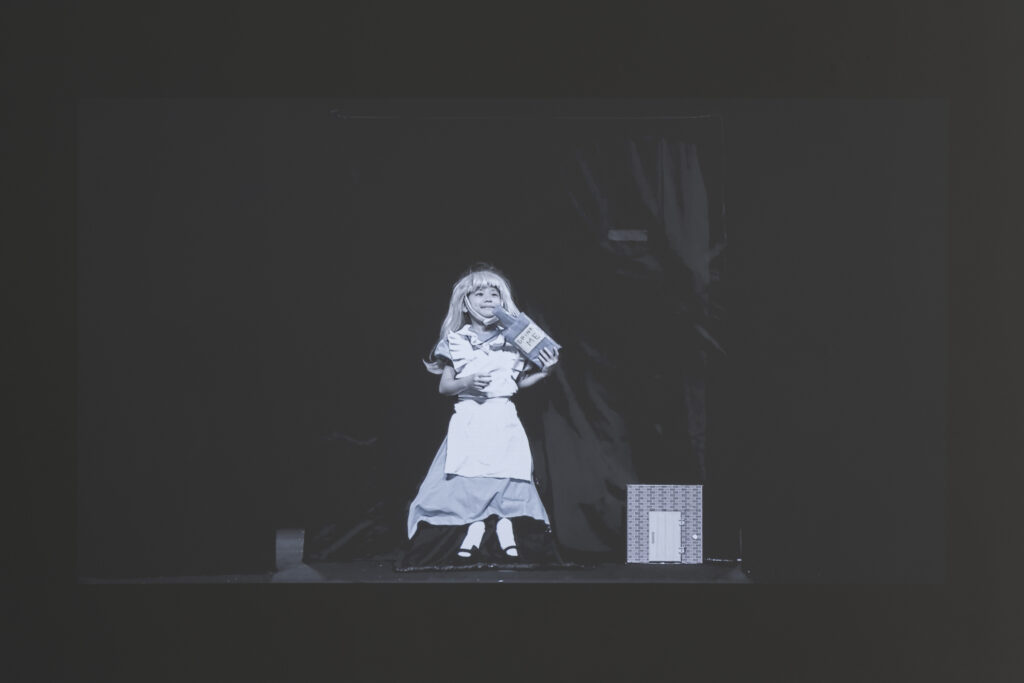
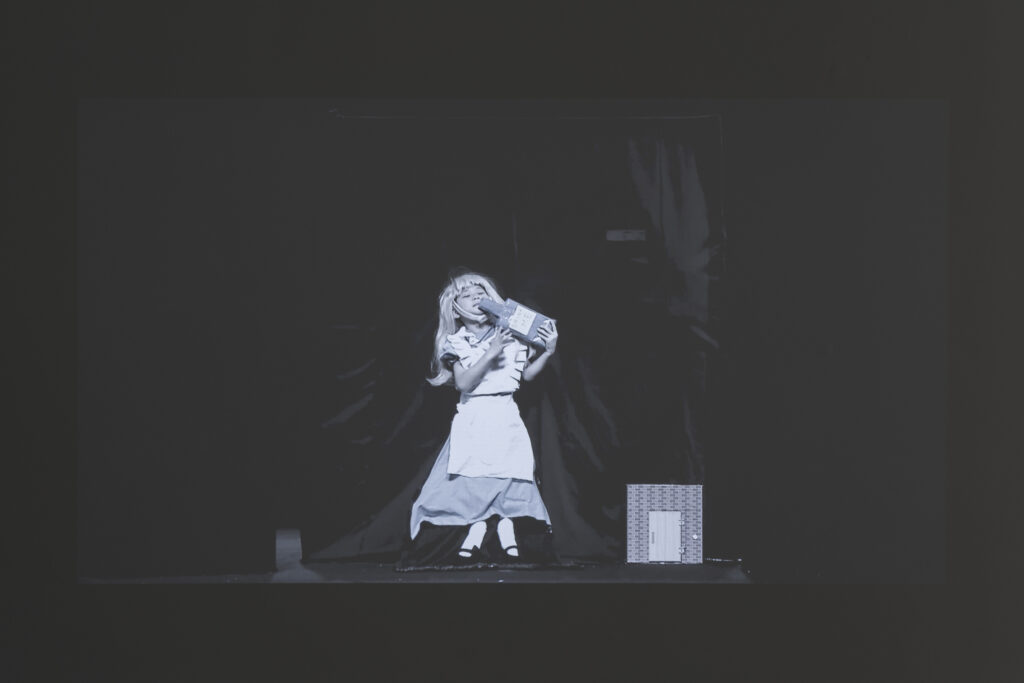
This tactile approach to the self is common practice in Taro’s work. For his video Untitled (Natural History), Alice from Alice in Wonderland is brought to the stage and portrayed by Japanese adolescents. Both boys and girls perform while asking, “Who in the world am I?” The footage was found, split, and spliced so that the focal point of metamorphosis could be studied through the changes in Alice across different children. The Duchampian nature of the work begs the question of what can happen when definitive properties fail.
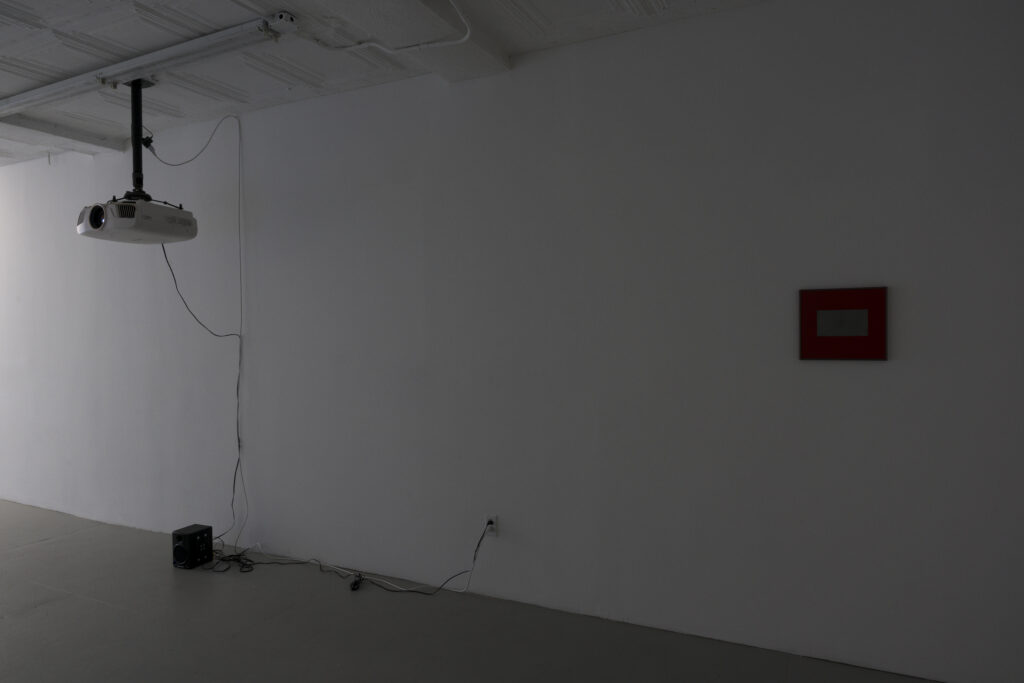
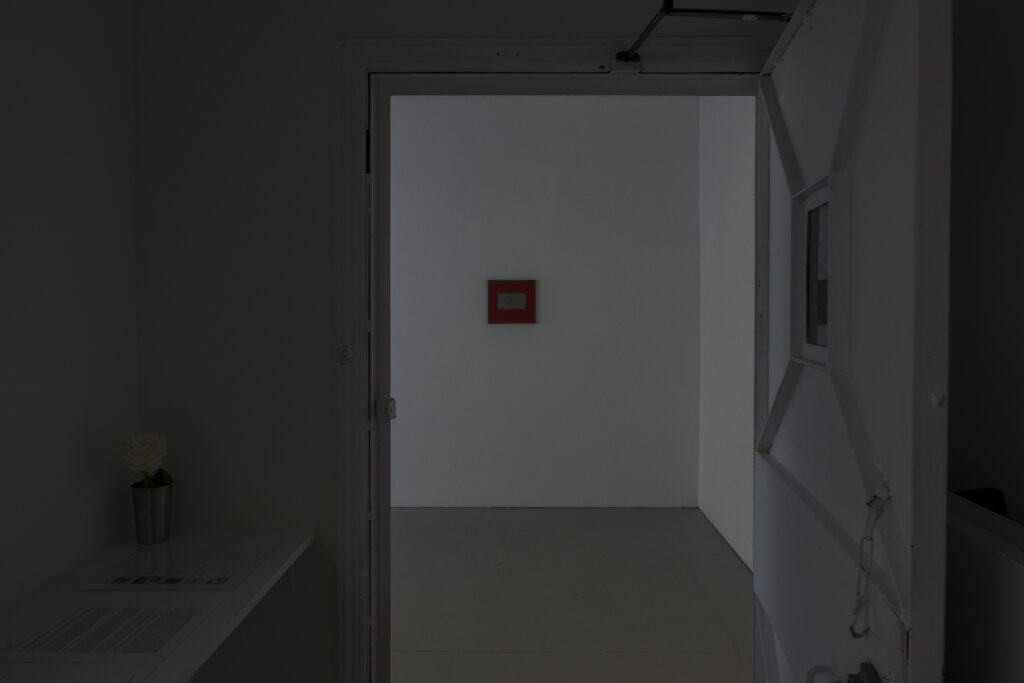
As V walked through the liminal space, Urlik curator Alex Flemming mused about how the projector displaying Untitled (Crash) acts as a mechanism for splitting the room and could arguably be considered part of the exhibition itself. Upon the white wall played a short continuum of footage of a toe being stubbed.
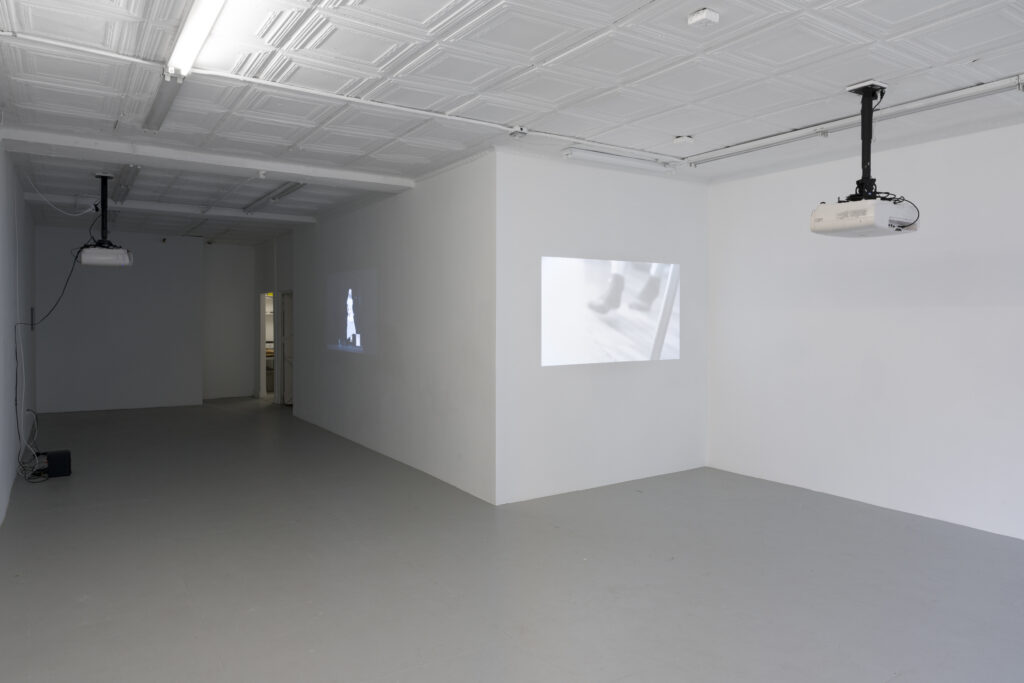
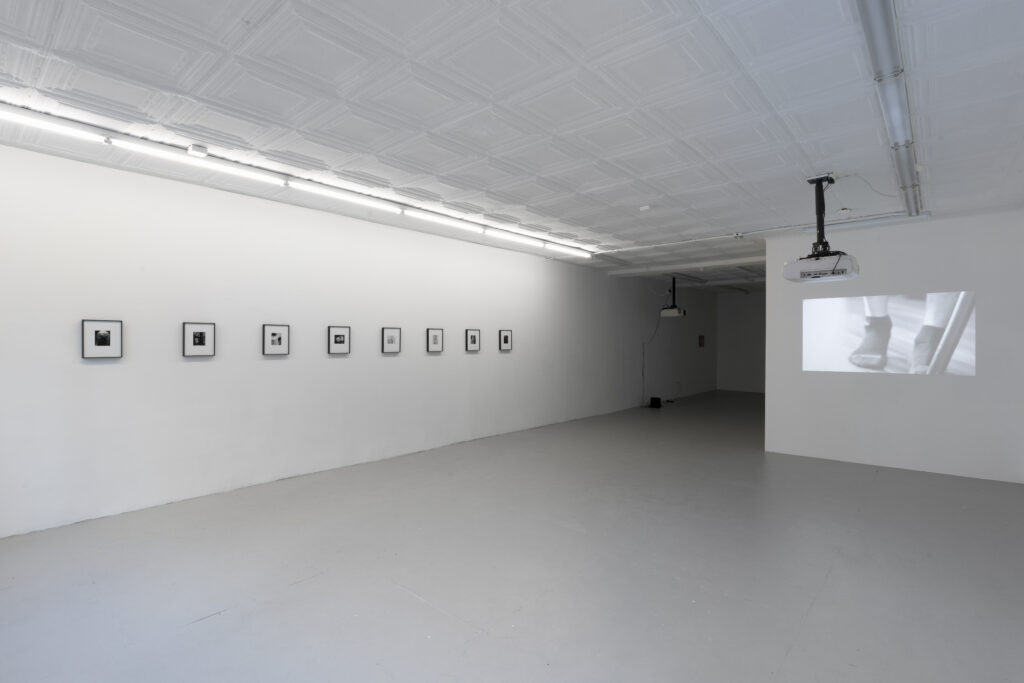
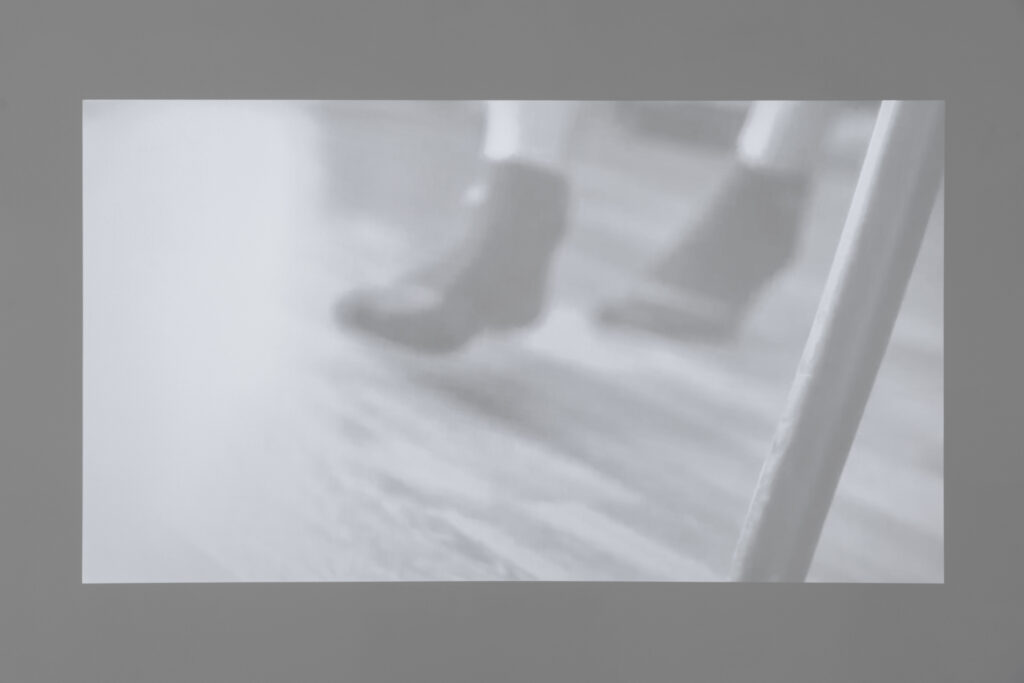
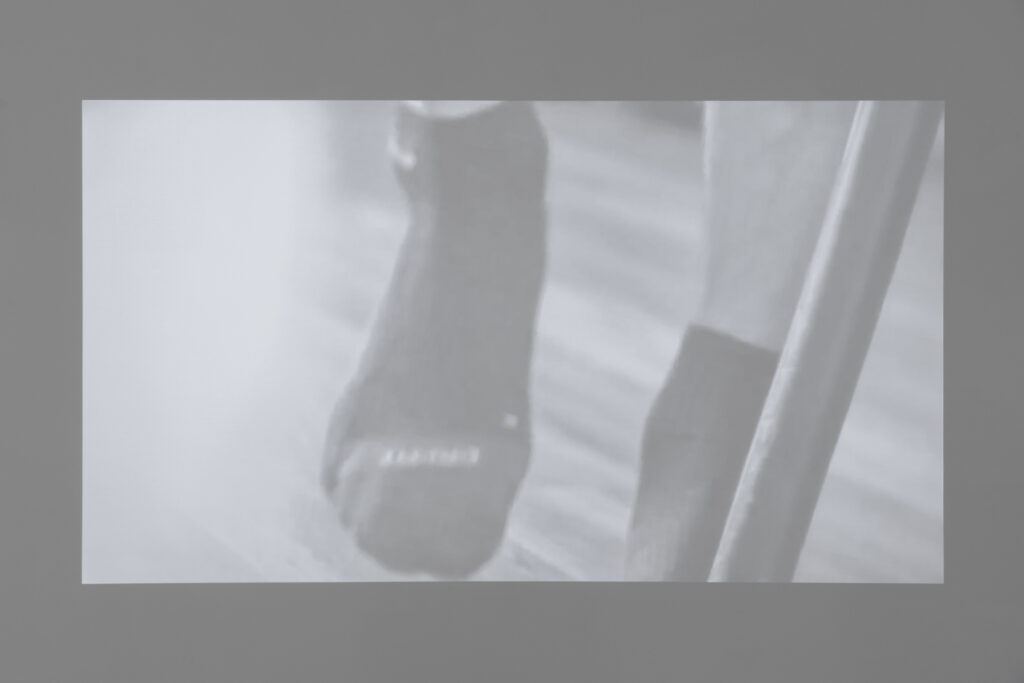
The household pain was turned into a sensory measure of the phenomenon known as “phantom pain,” which is the experience of feeling pain, sensation, or discomfort in a body part that is no longer there, or in a place where there is no physical cause for the sensation. The actual stubbing of the toe remains elsewhere, never directly shown to the audience, yet we feel the sensation because it is a human responsibility to connect with each other’s sensitivities.
Goldfish is currently on view at Urlik through June 13.
Discover More