VMAN 57: Fall in Line with Tyriq Withers

In roles both soulful and stirring, the rising actor is forging a name for himself on Hollywood’s playing field
Tyriq Withers and Stephen Graham met at the Louis Vuitton Men’s Fall 2026 show after spotting each other across the room. Beyond the chaos of camera flash, Withers knew he wanted to meet Graham, whose work he had long admired. He didn’t know Graham was thinking the same thing–he had seen Withers in Him and was blown away. The two began chatting, and they didn’t stop. Withers, with films under his belt like the aforementioned Him, as well as Know What You Did Last Summer, and Reminders of Him, felt seen by the veteran actor. “There’s a real humbleness, but such charisma from Stephen that I aspire to keep throughout this industry and keep that light on,” he says. “It was that mutual respect, instantly,” said Graham. “You’ve got a lot in common with certain people–you can be kindred souls from different places.”
Withers, at the relative beginning of his career, is seriously developing an artistic practice for himself as an actor. He cites Jennifer Lawrence, Denzel Washington, and Paul Newman as influences for what appears as effortlessness on film. Graham has been an actor for nearly 40 years, recently winning an Emmy, a Golden Globe, and a BAFTA for his work on Netflix’s Adolescence, where he was also a co-writer and Executive Producer. His new series, Nocturne, premieres October 30 on Apple TV. Their stories are different, but Graham knows well the world Withers is cracking open.
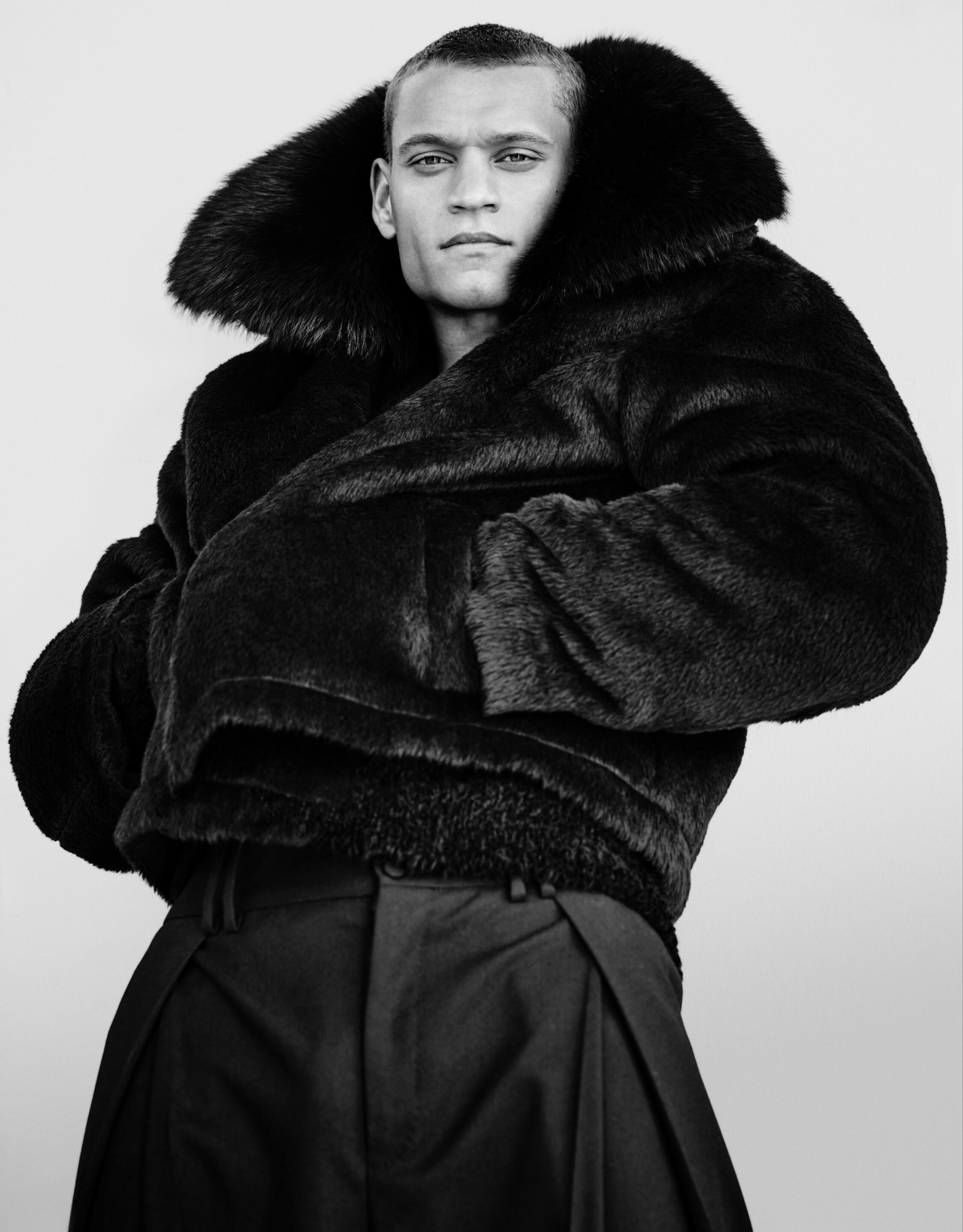
After playing Division I football at Florida State University, Withers was at a crossroads–”do I go work at Amazon in HR,” he laughs, “or do I pursue my acting dreams in Atlanta?” Atlanta was the closest entertainment industry, and off he went. He became more rooted in his purpose, he says, after the passing of his brother. He was looking to heal, he says, seeking connection in film, television, and theatre. “You have to be lost in this industry for a little bit so you can find yourself,” he says. “You have to lose to win.”
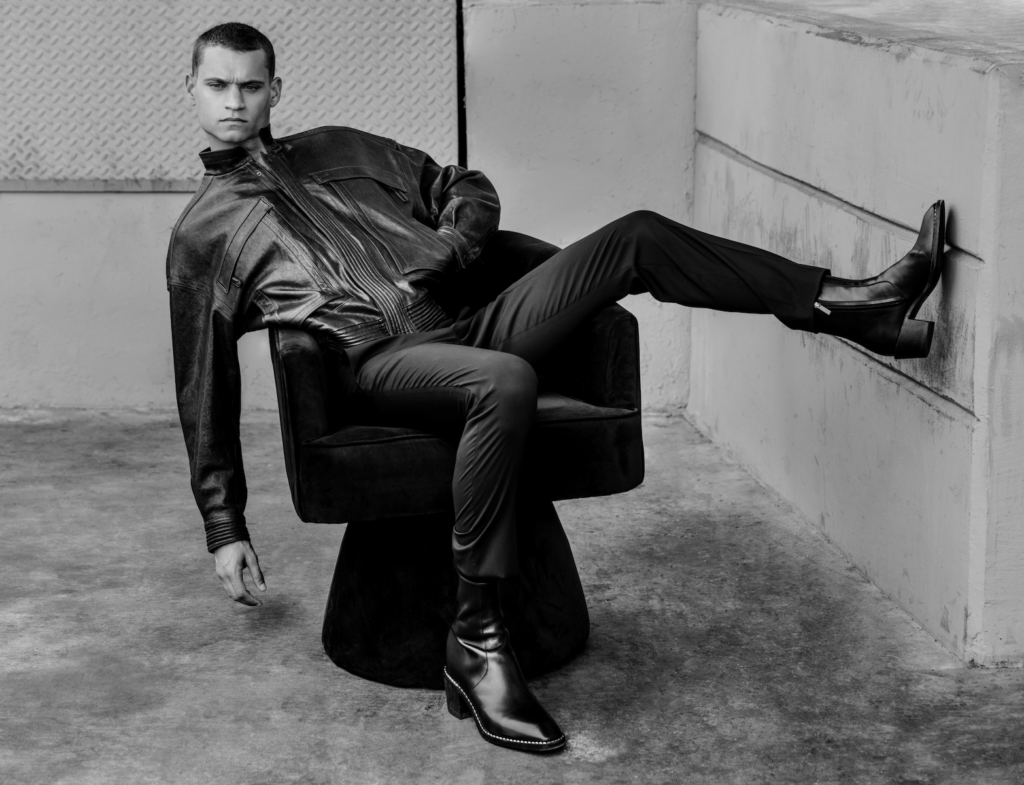
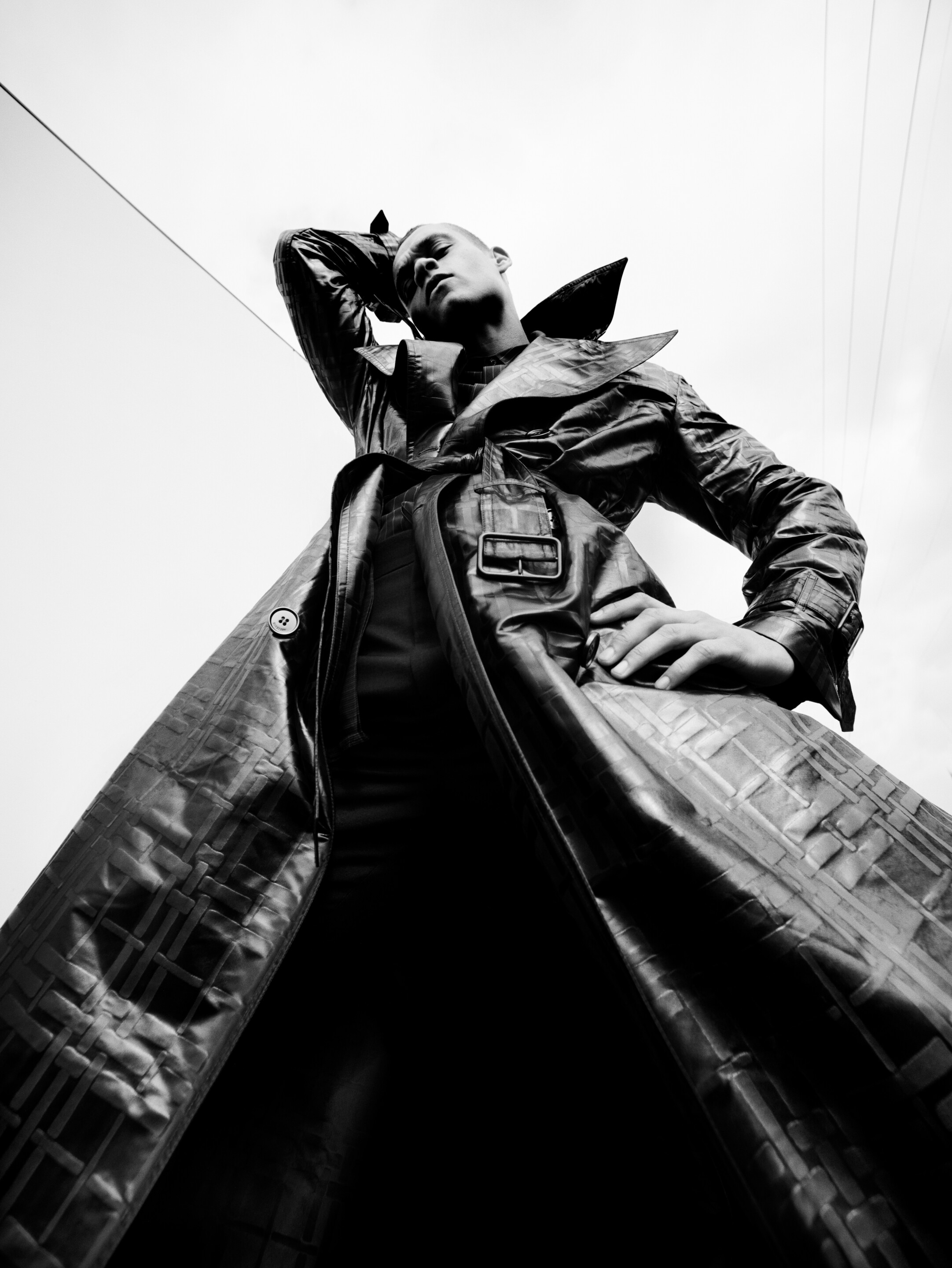
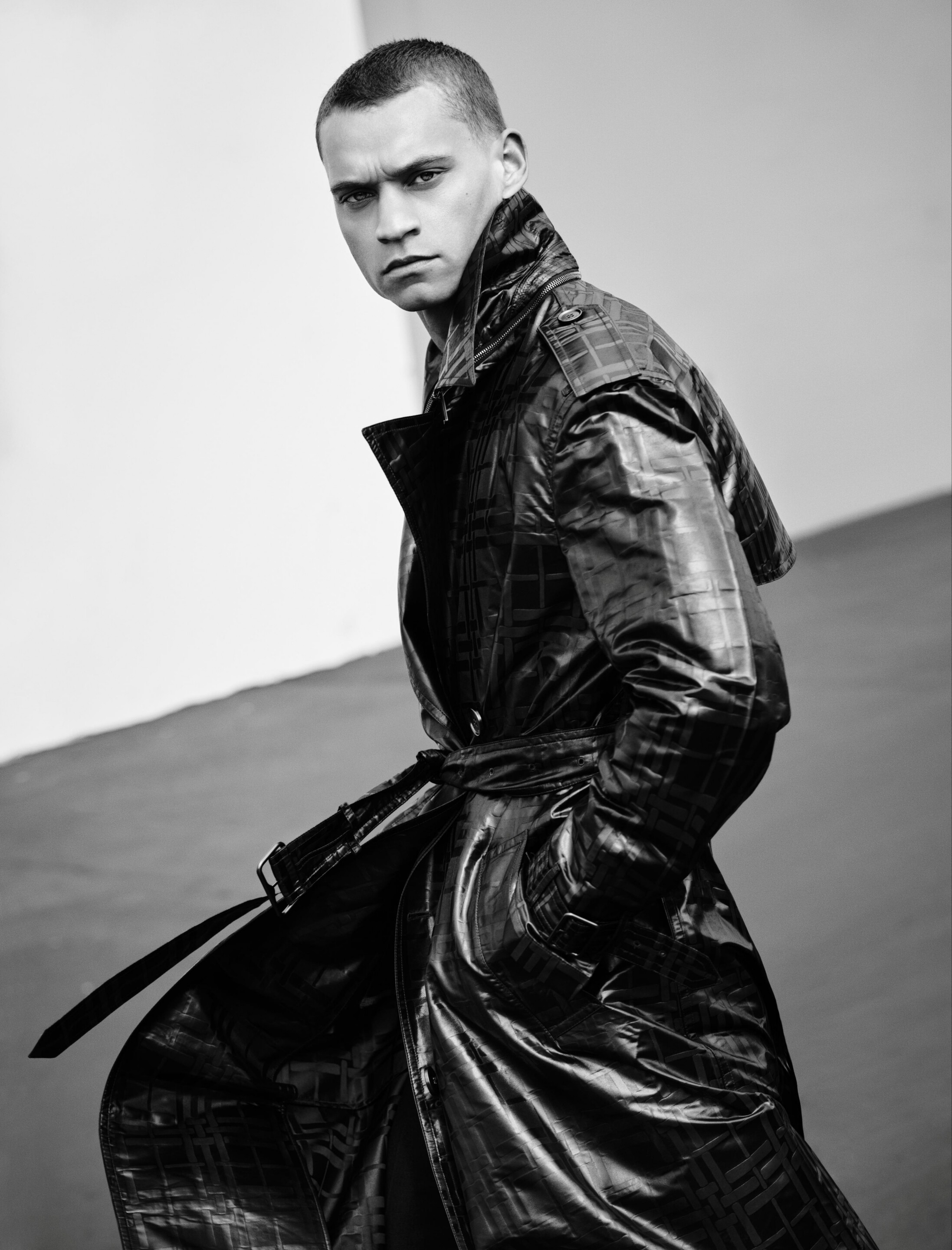
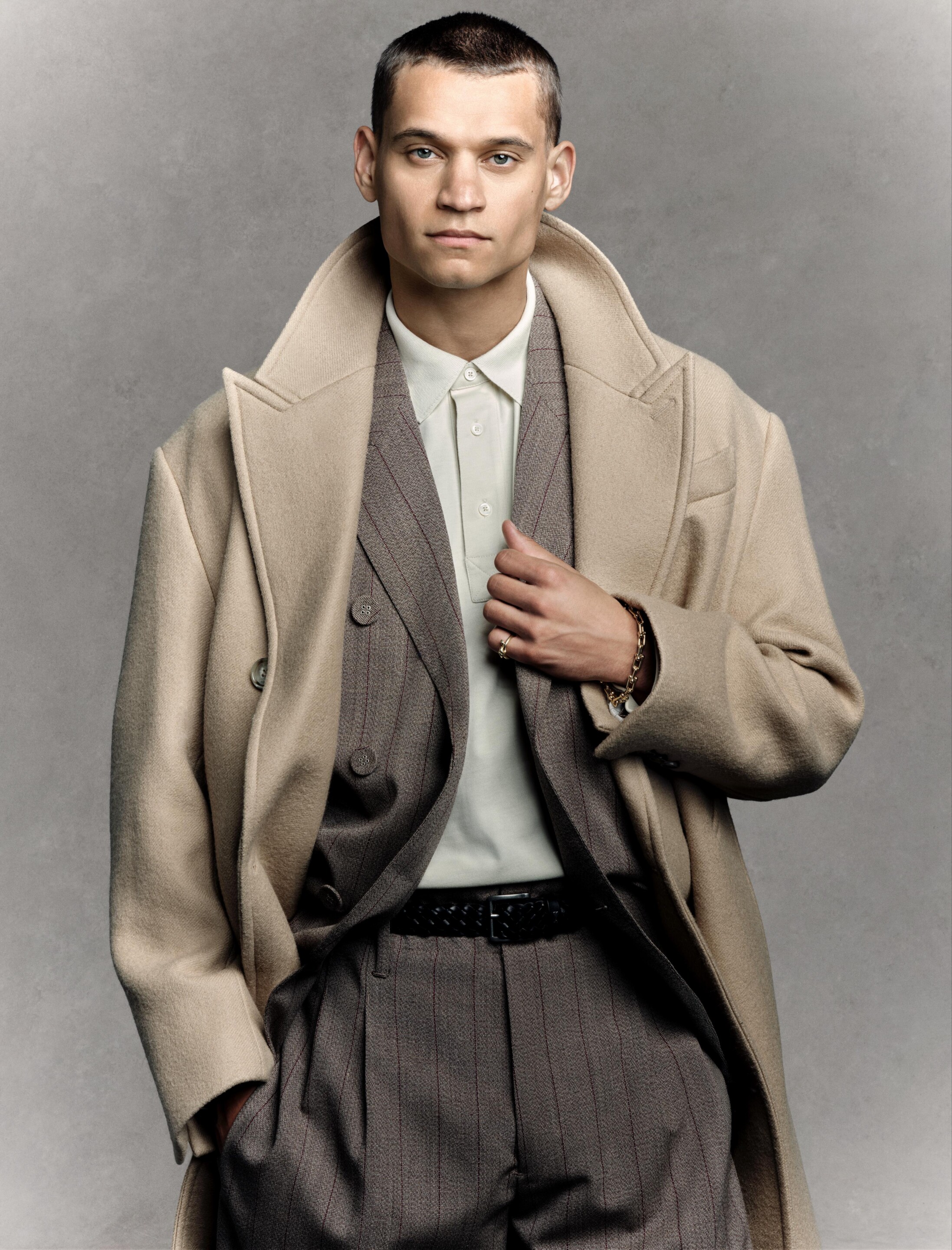
Tyriq Withers chatted with Stephen Graham for VMan about career beginnings, the films that formed him, and what it means to craft a life as an actor with intention.
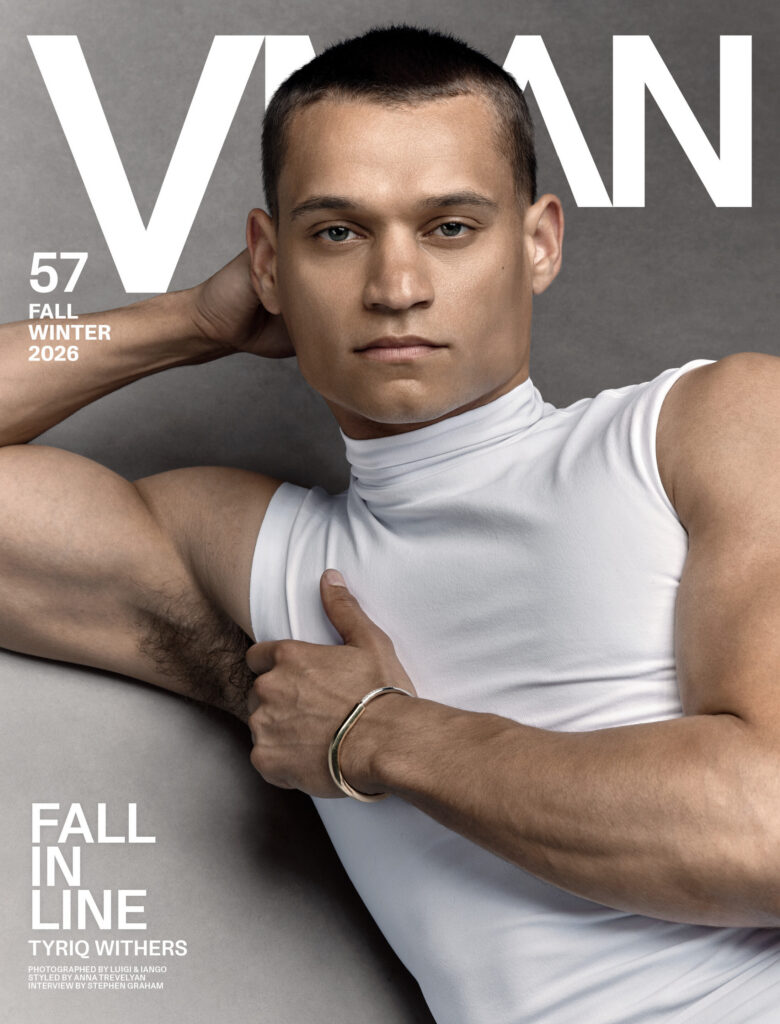
Stephen Graham: How did you make that transition from leaving Florida State to getting your first role? What was the key element?
Tyriq Withers: Yeah, the key element was taking a risk. I played sports–originally soccer, and then I switched to football at university, as you all put it. I realized I wasn’t playing for me, I was playing to prove myself to my mom and other people. It was a surface level reason to continue playing sports. The first step was removing sports from my life–I always felt it was a crutch for emotional maturity. You get angry, you take it out on the field. It took a couple years for me to transition into, I think I called it at the time ‘civilian life,’ because when you play at such a high level of sports, you’re always doing something like that from 5am to 8pm.
When 2020 came around, I wasn’t playing anymore. I had a decision–do I go into the workforce, do I go work at Amazon in HR, or do I go pursue my acting dreams in Atlanta? Atlanta was the closest place for acting–it was Atlanta, New York, and LA–and I took a bet on myself by moving to Atlanta. I was one flat tire away from going into finance. I made a fake resume, I took some head shots, I sent my resumes out to different managers and agents. I was skipping a step and I didn’t know I was skipping a step, I found this manager who believed in me. She was like, “I got this acting coach,” but had no idea who he was. I got to his class. It was one of the only in-person classes, and then I started learning through theater. That changed the game for me, studying [plays like] Dutch Masters and Angels in America, and performing excerpts from them. It built a confidence in me you can’t get, and it’s the confidence of failing.Theater is the actor’s medium, and so you’ve got to be creative. While doing that I was putting things on tape which I feel is a different form of acting, always. When the camera first got on me for an audition, it felt like a test. My whole life has been a standardized test and when this camera hits record, it felt like a test, and I’d tense up. It took some time to develop the skill of effortlessness. Through theater, amongst all that, life started to happen.
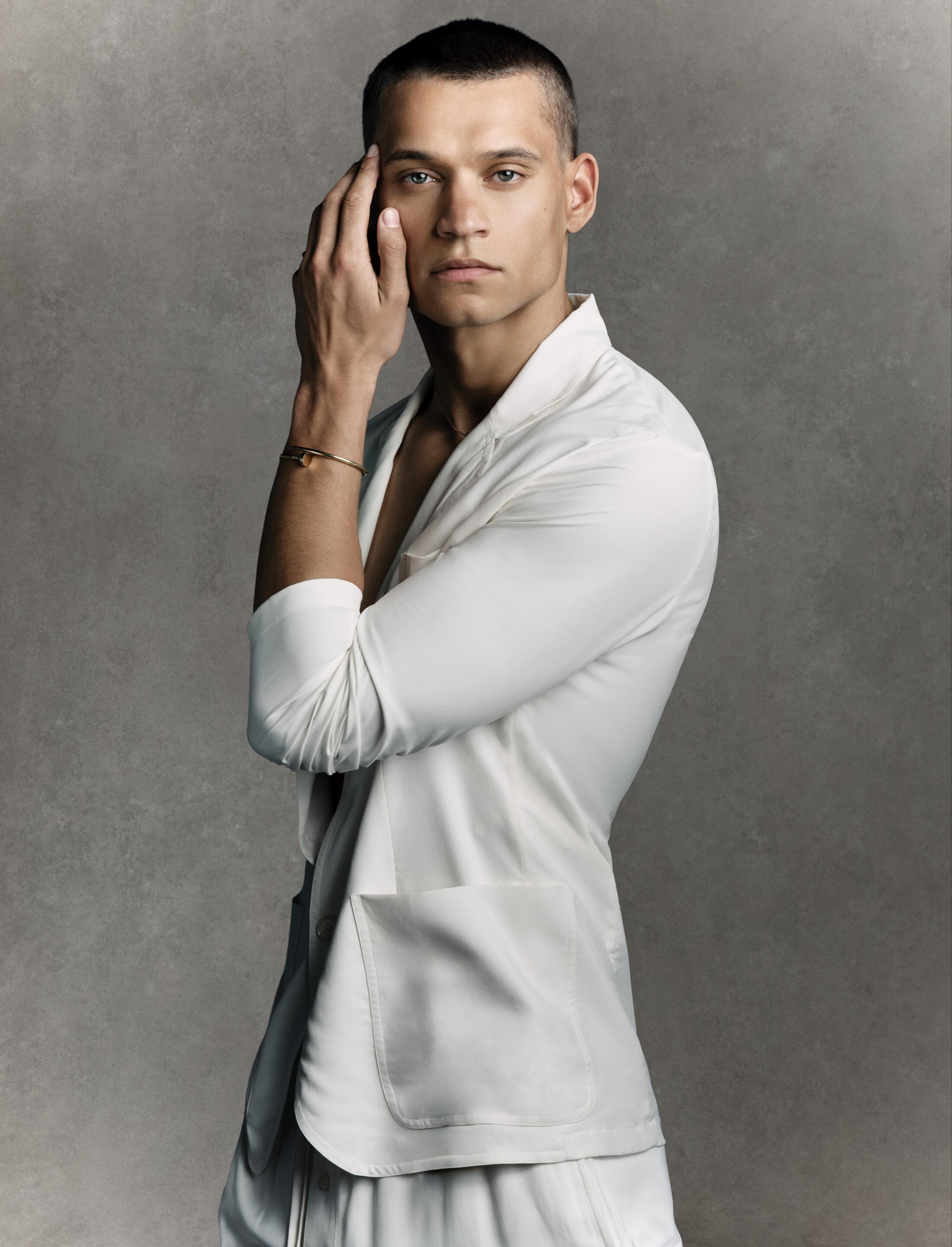
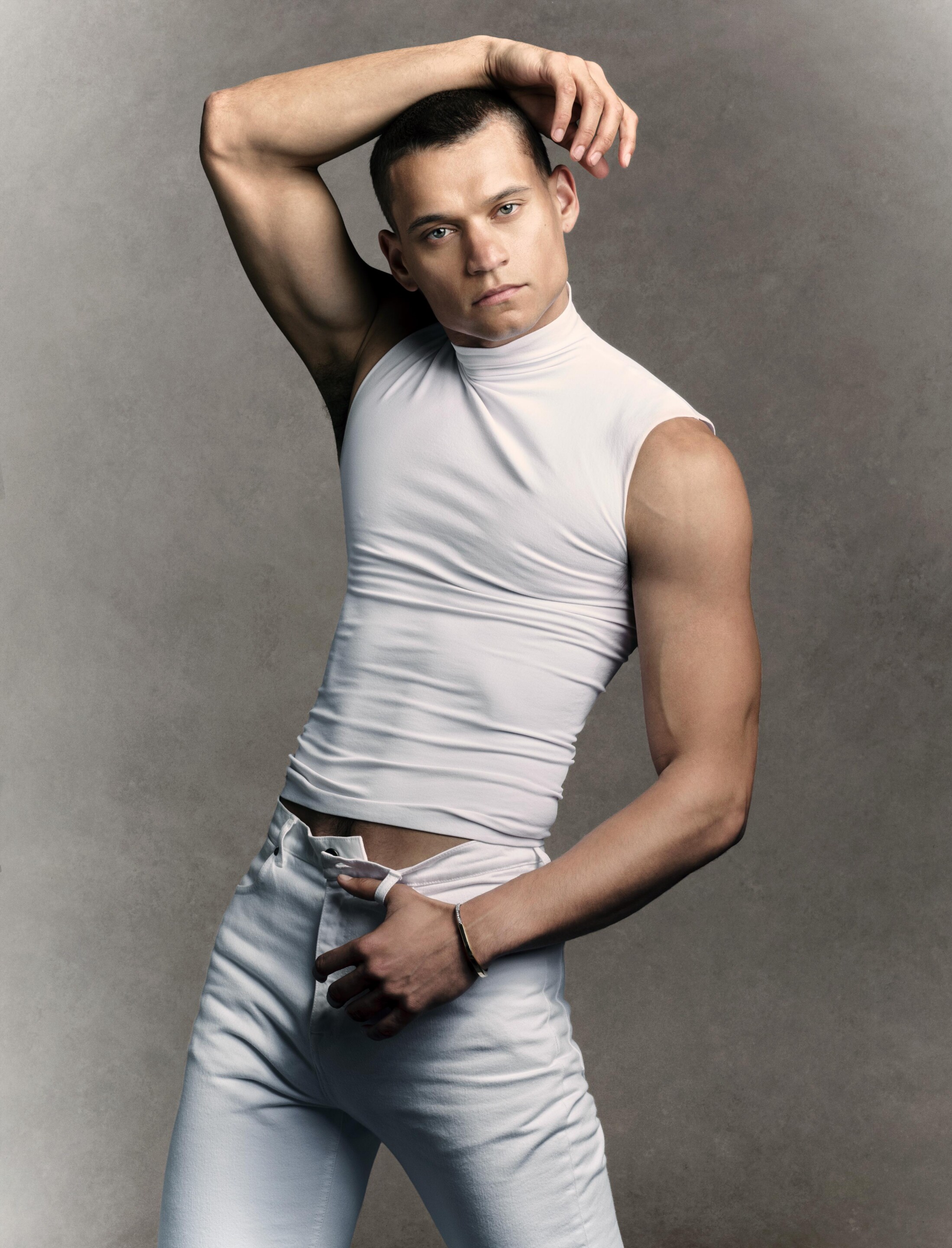
Life is the greatest teacher, whether you like it or not. I lost my older brother, and that rooted me into my purpose, and tied me to the art in a more spiritual realm. My acting teacher would say, ‘as actors, we’re saving lives,’ and before life hit me in the face, I was like, what are you talking about? But when life happens to you and you experience loss, you start looking for ways to heal, and that’s the beauty of cinema, of TV or theater. When you tell a story, you don’t know what life you’re speaking to out into the world, then you get to experience that. Movies and performances started to hit different for me, and I started looking for that connection. You have to be lost in this industry for a little bit so you can find yourself. I think you have to lose, lose, lose in order to win.
SG: When you were younger, were you interested in acting and did you love watching movies? What gave you that arc?
TW: I loved watching movies as a kid. There was this agent that tried to sign me and my brother young, but it was more modeling stuff and then they tried to scam us. I’ve always loved cinema–we know what it’s like to walk into a movie theater, walk out, and feel your whole life is changed. I always felt that, and wanted to explore that. I kept that alive, and I knew through middle school, high school, that one day I would like to try it. When you’re that young, you say it out loud, but it always sounds like, oh, he wants to be on a movie screen. I didn’t know why I wanted to act when I was that young. It took getting older for me to truly understand that I was trying to be a part of stories that spoke to my soul, and healed little parts of me. I would make my own sketches online to connect, making somebody laugh. That’s the most healing thing for me. If I can make you laugh, then I win. A lot of my acting stems from comedic timing, though my movies and characters haven’t been funny, that’s a tool I still have in the toolbox that I want to unleash in the next few films.
SG: Did that athlete mentality help you within your acting career?
TW: Yeah, it’s the biggest gift, but also it can be the biggest curse, if you allow it. As an athlete, you know what it’s like to not know how to do something and then practice, practice, practice, and perfect it until you can’t get it wrong. You watch tape. How can I get better? We fall on our ass on Monday. On Tuesday, we work on whatever we need to work on. I applied that to acting. If I don’t know how to do this, I’ll perfect it, perfect it, perfect it. But with acting, you have to perfect it to a level of freedom. There’s no right way to do it. Earlier on, I thought if a director’s giving me a note, I did something wrong. But it’s not that. The director has a vision of the entirety of the film and is giving options. There’s 1000 ways to the end result, and so as long as I’m building towards a truthful performance, then I’m in the right space.
SG: The way you said rejection, rejection, rejection–that’s advice I give to young actors. You need skin like a rhino, because the ultimate aim is not to take these things personally. I suppose the slight difference within the concepts of being an athlete, and then being in the acting profession, it’s not ability, it becomes subjective. If you make the play exactly how the coach asked you to make the play, then you can progress and progress, and get stronger. But especially in that beginning stage as an actor, it’s in somebody else’s hands to see the possibilities and the potential within you, which I suppose is the same with athletes in a respect. It’s practicing your craft in any way, shape, or form to the best of your ability, but then ultimately, in certain spaces, winning other people’s hands until they go, that kid’s got it, or he can do it. It’s having that little bit of faith as well, isn’t it?
TW: Yeah, I say another beautiful thing about acting is I’m always taking in data. My job as an actor is to live with an open heart and learn empathy. You learn that from relationships, breakups, friendships, going out with friends or going to this concert, having experiences. This actor said, if you want to be an actor, forget about acting, and I think that’s the work of an actor, to live. I think that’s my purpose as a human. I look back at my 28 years, and I’m like, damn, I haven’t lived to the best of my ability, so that’s my goal for the next few decades of my life, to give myself permission to live. With that, you get an honest, true performance, and that’s my meter for things: am I proud of it, was I truthful, did I push for anything, or did I allow my own experiences to bleed through? I feel the athletic regimen of it .

SG: The discipline.
TW: Yeah, the discipline, So there’s always discipline with each role, but you have to feel the hurt, the pain, the deep wounds in order to know how to articulate that on a screen. Everybody wants to do that, but when you’re actually going through it, it hurts. So, yeah, me and my therapist [crosses fingers].
SG: I wouldn’t say it was a secret, but each one of us uses our own methods to create a character with our own personal experiences, which is what you said so beautifully.
TW: Yeah, 100%. I think that’s why people are so drawn to movies. I feel like humans and actors are mosaics. I was watching this movie the other day, Castaway on the Moon. It’s a Korean film, and the two characters say like four lines to each other the entire movie, but it’s a love story. One’s on an island, one’s stuck in a room, and they’re battling their own mental health issues. There’s little moments where I find myself crying in the film because I feel seen. There’s a million reasons why somebody can connect to a performance if you’re honest in bringing yourself to that. Some people watch a performance of mine and they’re like, “Oh, I see it in the eyes,” and I’m like, I don’t know what I did with my eyes, but that’s the pain and hurt and trauma of what I’ve weathered to get here to stand in that. When I was working on Him–I’ve sat in coach meetings and practices, and I’ve lost loved ones, and the reason why I do it today is for the loved ones–and in a healthy way, I allow that to spill out of me, because you never want to go into the point of hysteria. My girl Uta Hagen taught me that.
SG: [Holds up a copy of Uta Hagen’s book Respect for Acting].
TW: Yeah, look at us! [laughs].
SG: Absolutely!
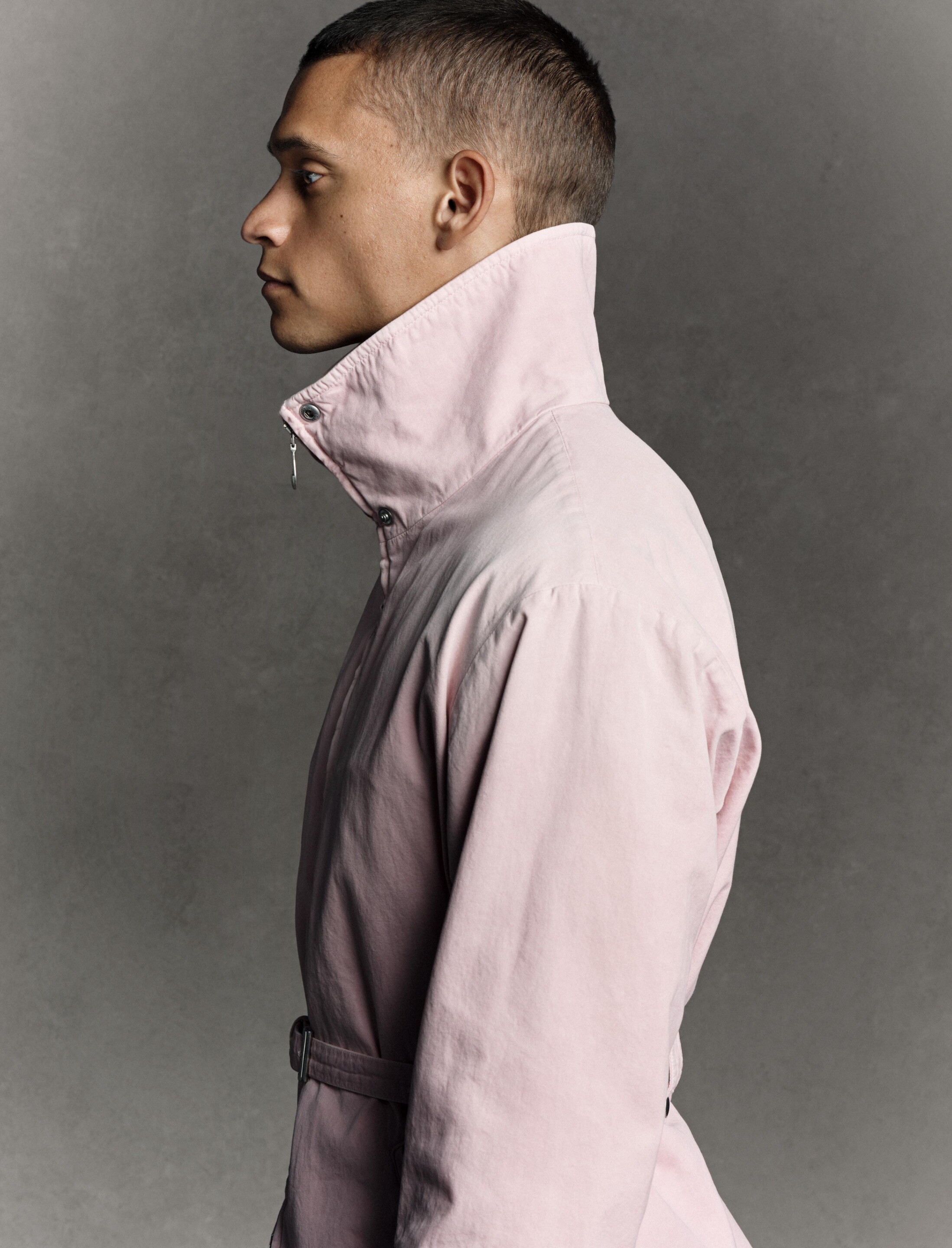
TW: It’s a level of preparation to freedom. I think that’s what confidence is. If you don’t have confidence, you build evidence. If you don’t have evidence, you build a skill. When I first started acting in Atlanta, that was me building my skill, getting in front of people, failing, losing, missing my lines, doing showcases and whatever. Once I built the skill, then I got the evidence, I got the Atlanta role, I got Him, I got Reminders of Him. That was the evidence, not only for the world to see that I can hone this in and give cohesive performance, but it was evidence to myself to calm my nerves. As actors, our biggest adversary is ourselves. Now I’ve reached a different tier of confidence. I’m excited to explore these next films with it.
SG: You’ll be given those opportunities, but I love what you’re saying. We’re conduits of emotion in many ways. I’ve never been a serial killer or a psychopath. I don’t intend to be. But we can create and get so into the character, we can find the motivations from the character’s perspective to do these things. We can go to very dark places. For me personally, it’s exactly what you said–being able to do it while I’m there, shut off, then leave it and let it be. It’s those thought processes, but it’s pretend.
TW: Yeah, it’s pretend, and the shut off is tough for me. I ruminate and I’m like, wow, I fucked that up. Then the final product and the edit is .3 seconds of the movie that you ruminated on for days when you made the film .
SG: You get that speech in the order you want it, and then the director goes, “Don’t worry, we’ll get it in the edit. And you’re like, “yeah, but I wanted it to be perfect,” and he’s going, “I’ve got it,” and you’re like , “You sure you think you’ve got it?” He’s like, “I’ve got it, I promise you.” okay. Then you’ll get the first look of it, and you’re, like oh shit, yeah, oh wow, okay. Thank you. We can take our time, it’s the blessings of film work or television, whereas that’s not quite the case on stage or in theater. We have to do it in a different way.
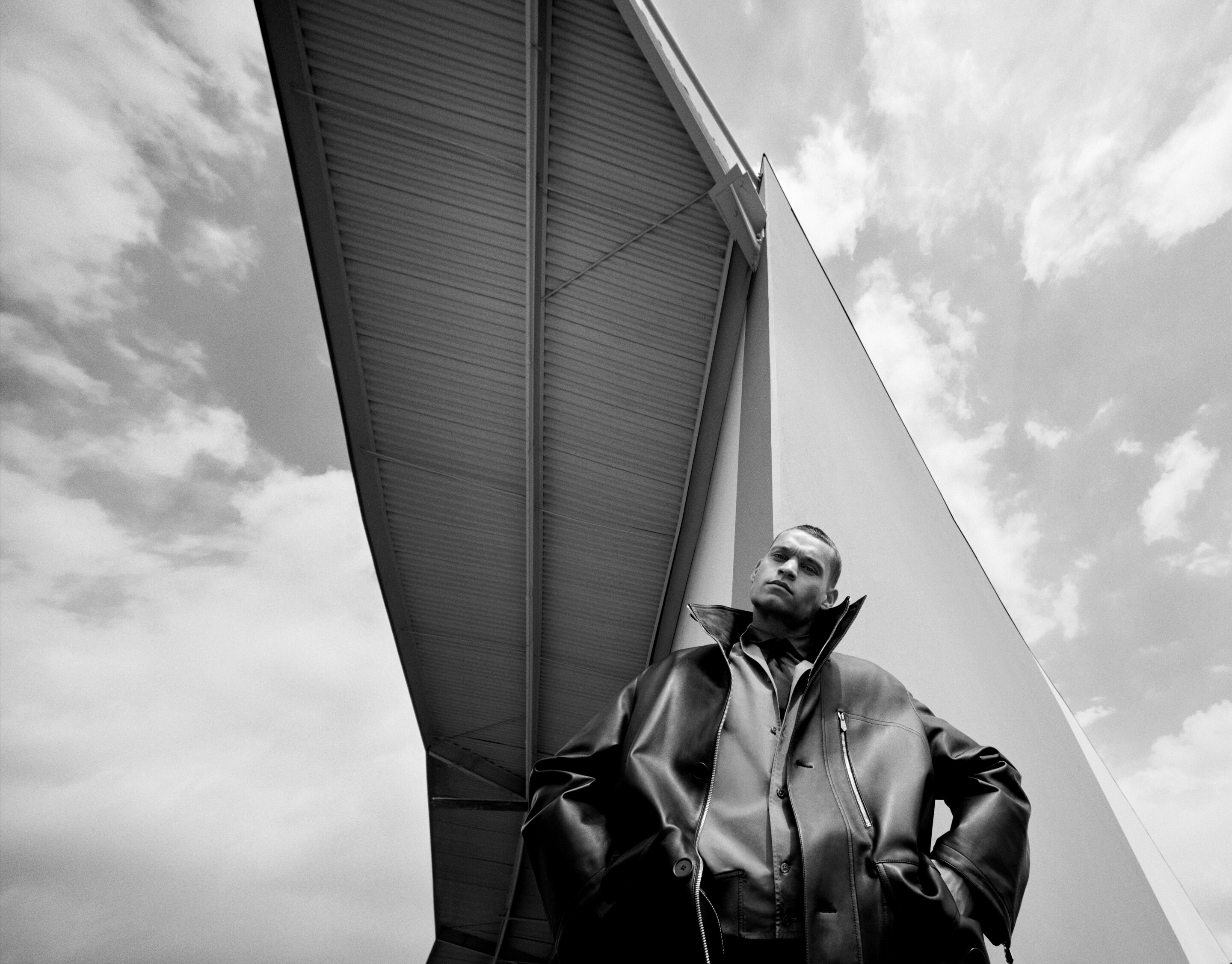
TW: Movies are more directors’ mediums, so yeah, there’s this vision. Great directors protect performances.
SG: What kinds of stories are you most interested in being part of as an actor?
TW: As an actor, my biggest goal, what I love most, is subversion or contradiction. As I build out my career, I don’t want to play the easy, layup roles. Roles that challenge me and push me into a more vulnerable space are what touched me the most. I don’t want to say I won’t do superhero roles, but I think people expect that from me.
SG: According to a friend of mine, you should never do them, but I get it.
TW: I was talking to Jordan Peele, and he was like, would you do a superhero role? I think about Chadwick Boseman, one of the most talented artists ever–if he said no to Black Panther, then a lot of Black boys and girls wouldn’t have something to look up to. That’s when it’s bigger than myself, so I would never say no to that. One of my favorite movies is Aftersun. There’s a softness to that film, and a level of healing that the director witnessed, I feel. It wasn’t a story for the world to consume on a theatrical level, but rather somebody witnessing a level of grief, looking for their father through memories.
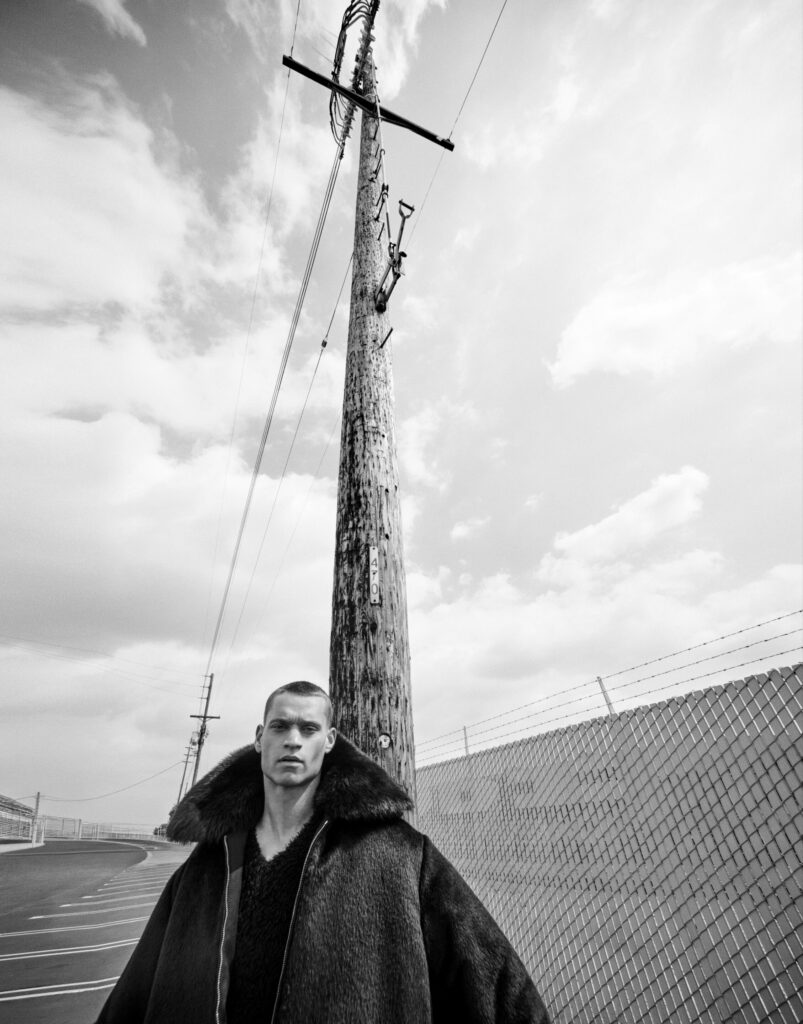
As adults we’re always stuck in our own head and this is how we feel, but to our niece, our nephew, our son and daughter, we’re the superhero of their time. That’s why that film is so beautiful for me. Those films are raw, emotional, vulnerable. Those are the stories I’m interested in, the ones pushing me to a place I haven’t been. I don’t want to keep playing it safe. There’s a comedic itch I want to scratch in my next film, comedic timing rooted in heart. I think people will be surprised that I can play ball in that realm. A movie that touched me was Fruitvale Station, and that pushed me into the world of acting, Michael B. Jordan playing Oscar Grant III. That was such a wholesome, thoughtful, heartfelt performance that wasn’t an easy watch, but I remember that feeling of empathy or sympathy. What he and Ryan Coogler created was a piece that I feel was one of the bravest things that could be created at its time, and it honored Oscar Grant III.
When I tell stories, that’s the magnitude I want to do it at. I want to stand for something. I think I have a lot of privilege with my ethnicity. I have privilege as a man, as an actor. I want to use that to amplify voices, amplify stories, whether I’m an actor in it or produce or, one day down the line, a director.
This cover story appears in the pages of VMAN 57: now available for purchase!
Photography Luigi & Iango
Fashion Anna Trevelyan
Creative Director / Editor-in-Chief Stephen Gan
Interview Stephen Graham
Grooming Tasha Reiko Brown (The Wall Group) using CHANEL Skincare
Casting Greg Krelenstein (GK-LD)
Editor Kev Ponce
Fashion Market Editors Copelyn Bengel / Arut Arustamyan
Executive Producer Alexey Galetskiy (AGP NYC)
Digital Technician Amanda Yanez
Lighting Director Tutu Lee
Production Coordinator Ashton Wilson (AGP NYC)
Production Assistant Maksim Doraev
Fashion Assistants Dougie Newton & Tatiana Isshac
Grooming Assistant Krishna Branch-Mackowiak
Luigi & Iango Studio Manager Francisco Betancourt
Cinematographer Bell Soto
Video Editor Santiago Montes
Location AGP West
Discover More